More than a year after the January 2025 wildfires turned large swaths of Los Angeles into ash, researchers are documenting a problem many returning residents already suspect: the air inside their homes may actually be more dangerous than the air outside.
Federal health officials have awarded a $354,375 grant from the National Institute of Environmental Health Sciences to an LA-based research team studying how toxic chemicals from the Palisades and Eaton fires continue to contaminate indoor air long after the flames were extinguished. The fires, which began January 7, 2025, and were officially contained a month later, destroyed more than 16,000 structures and killed at least 29 people, making them among the most destructive urban disasters in U.S. history.
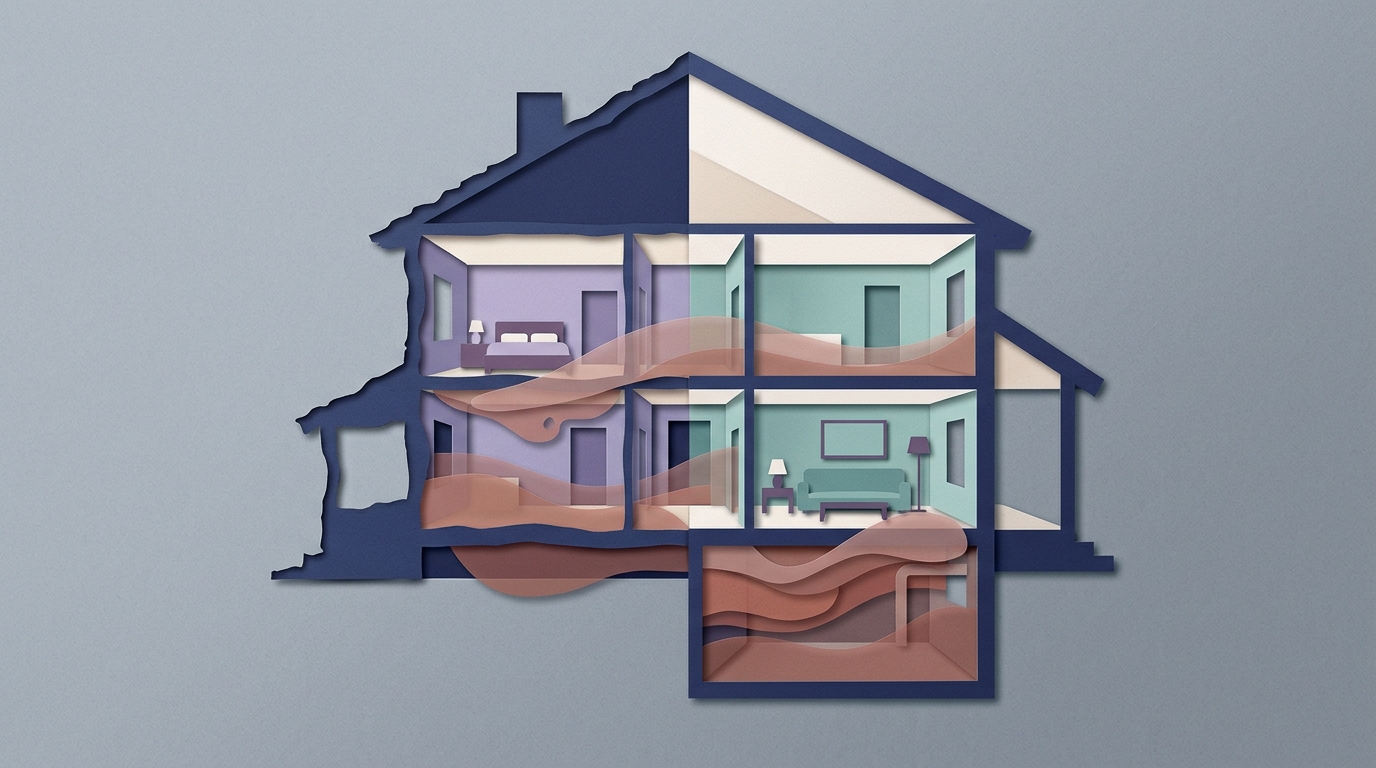
The concern goes beyond the smoke most people picture when they think of wildfires. When a house burns, it releases a far nastier mix of pollutants than burning trees do: benzene, heavy metals, asbestos, and dozens of other toxic compounds from plastics, electronics, paint, and household chemicals. Researchers have found that damaged building materials can keep releasing those compounds back into the air for weeks or months afterward, a process called off-gassing. Debris removal and demolition can make things worse by stirring up contaminated dust.
The team has been monitoring indoor and outdoor air quality in 25 homes near both fire zones since January 8, 2025, just one day after the fires ignited. What they've found is alarming. Concentrations of benzene and related chemicals were more than 100 times higher than normal during active burning. In the post-fire phase, indoor levels in burn-zone homes have exceeded outdoor concentrations even in empty houses with no activity inside, a signal that the buildings themselves became pollution sources.
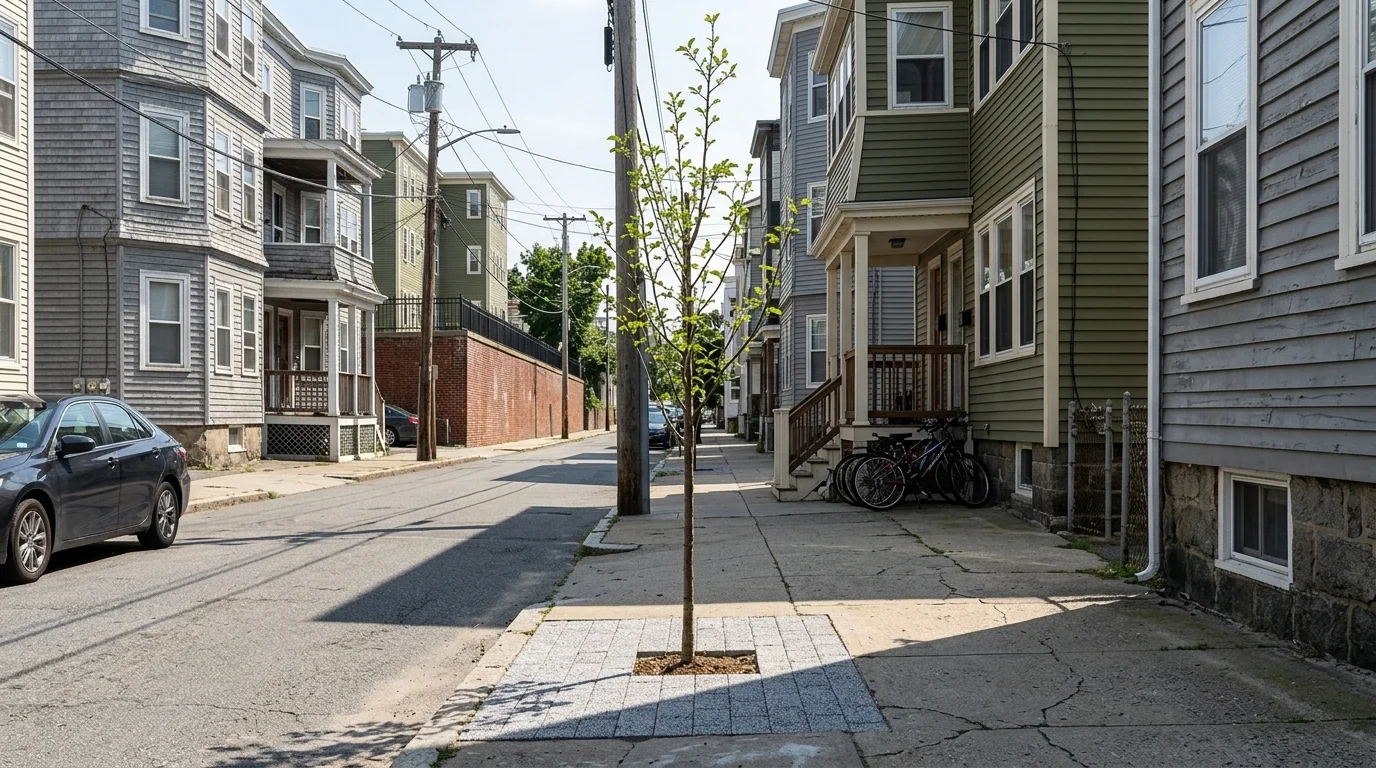
The new funding will expand that monitoring to 50 homes over a full year, and the study is designed to answer a pointed question about fairness. The Palisades fire hit Pacific Palisades, one of LA's wealthiest neighborhoods, where median home values top $3 million. The Eaton fire devastated Altadena, a historically Black community in unincorporated LA County where many residents live in homes built in the 1920s through 1950s. Researchers expect that wealthier Palisades residents will install HVAC upgrades and air purifiers, reducing their indoor exposure, while Altadena residents may lack the resources to do the same. Older, leakier homes are also expected to let in more outdoor pollutants. The study is built to test whether those gaps show up in actual air quality measurements.
For Altadena, the stakes are compounded by a housing crisis that gives displaced residents little choice but to return, even to homes near contaminated sites. LA County's severe shortage of affordable housing means waiting for a clean bill of air quality isn't a realistic option for many families.
The study is expected to run through cleanup completion or approximately one year of monitoring, whichever comes first. Its findings could shape how officials approach post-fire health guidance and cleanup protocols in future disasters, a pressing question in a state where climate-driven fires are growing more frequent and more destructive.