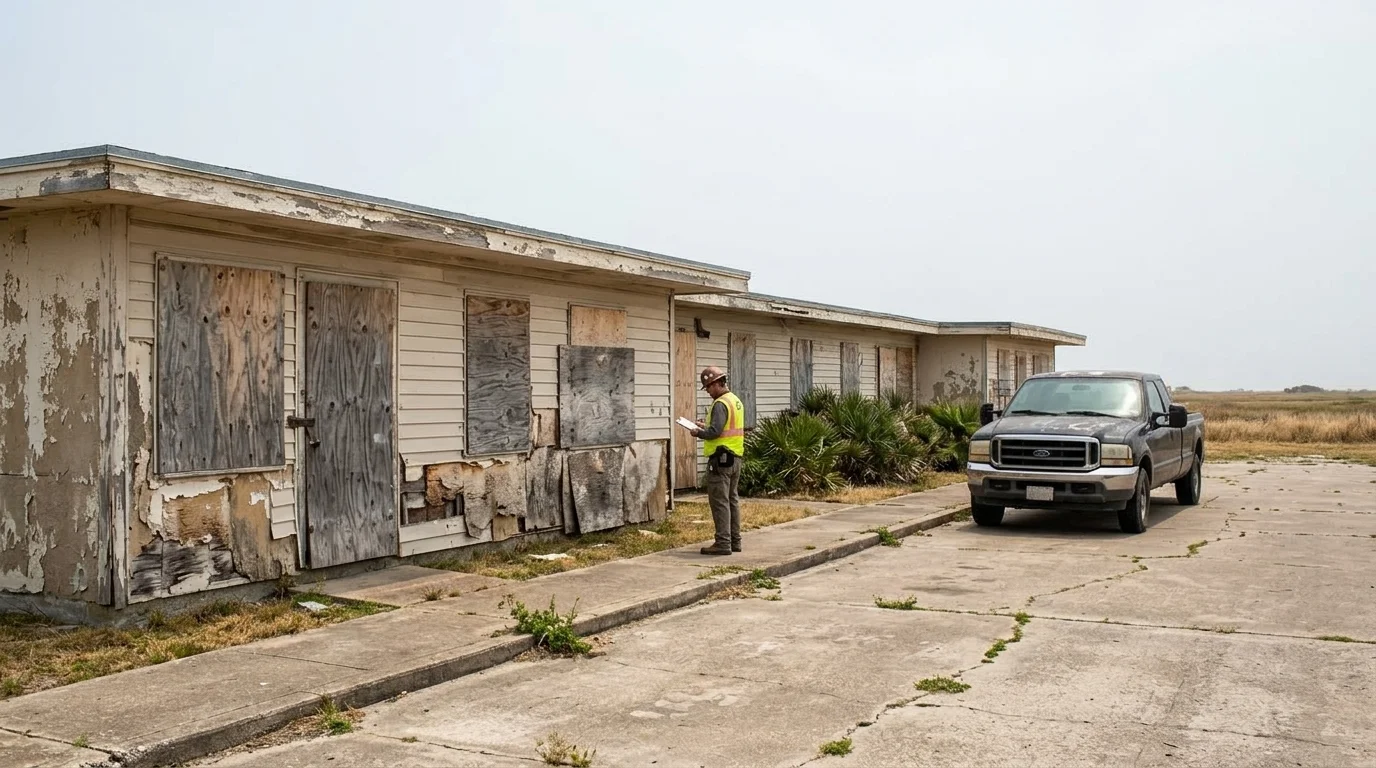
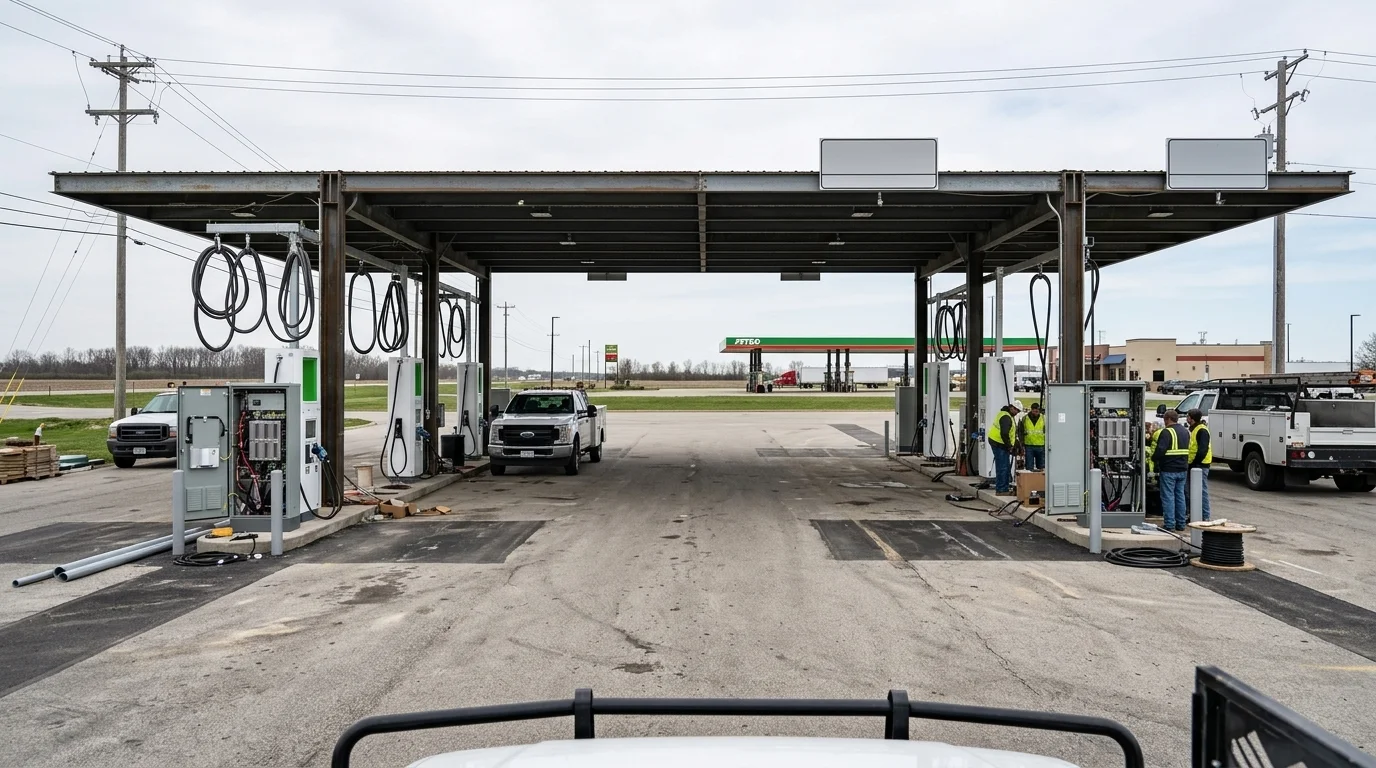
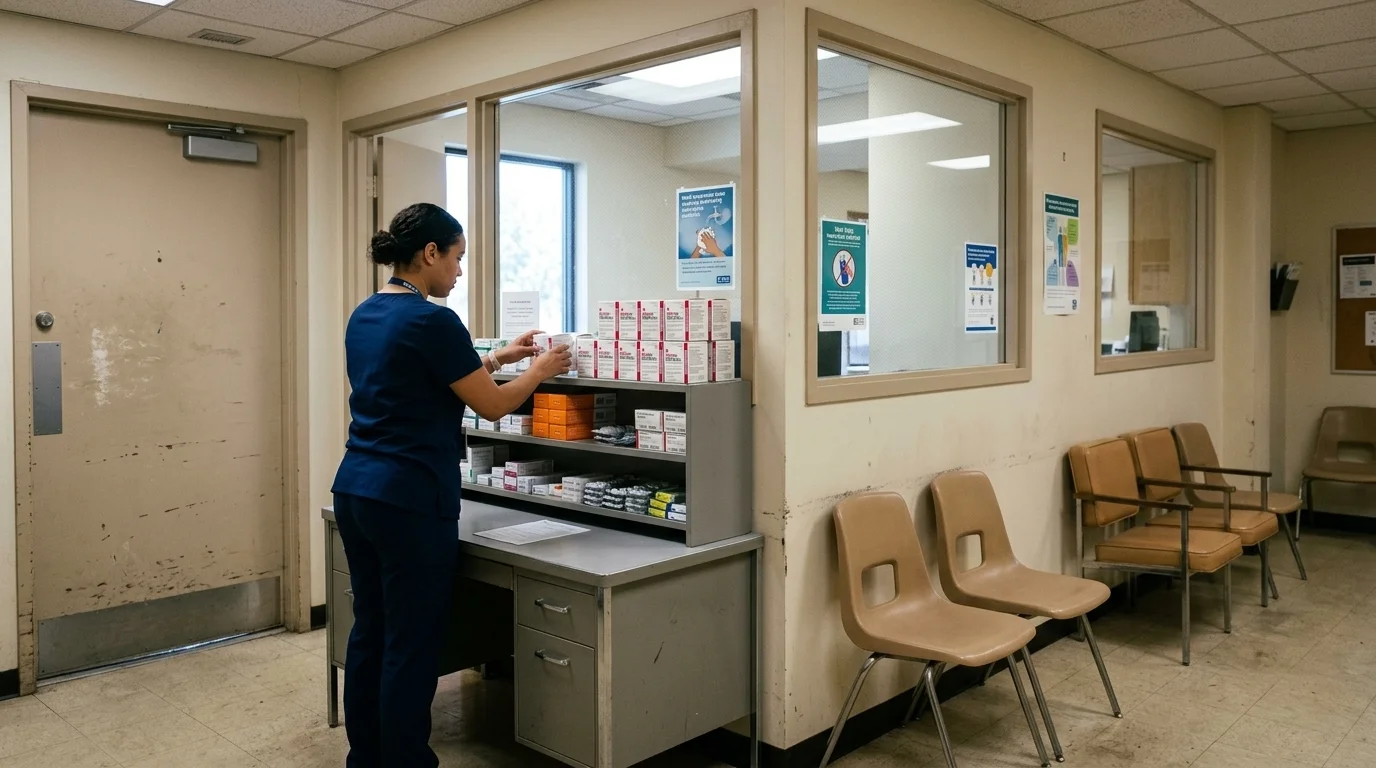
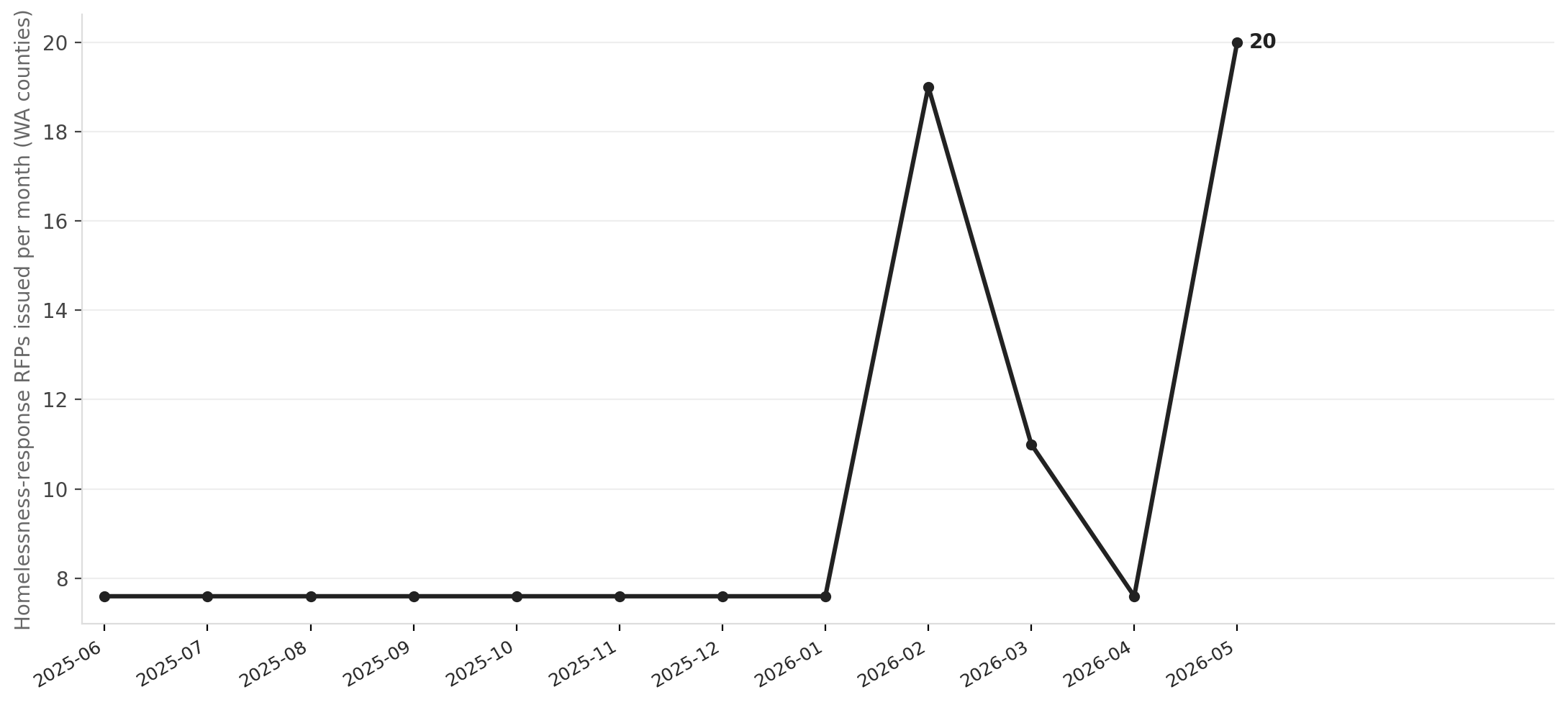
Washington counties issued 20 homelessness-response RFPs in the last 30 days, against a 12-month monthly average of 7.6. That 2.6x surge is not a one-month anomaly: February 2026 saw 19 RFPs across 10 counties, March saw 11 across 9. County purchasing offices are racing through a backlog that built up over years when the money existed but the legal permission to spend it did not.
Two things changed at nearly the same moment. On March 27, Gov. Bob Ferguson signed HB 2266, requiring every city and county in Washington to allow transitional housing, permanent supportive housing, and emergency shelters in any zone where hotels are permitted. The law was written explicitly to close the loopholes jurisdictions had been exploiting for years: Des Moines had a 1,000-foot spacing rule that made shelter siting geometrically impossible; Bellevue strung out approval for a men's shelter for a decade. HB 2266 made those tactics illegal statewide, overnight. Then, on the federal side, Sen. Patty Murray's work on the February 3 spending bill forced the Trump administration to release Continuum of Care grants that had been frozen, securing both a $366 million national increase in homeless assistance programs and new legal guardrails requiring HUD to renew expiring CoC contracts. Washington receives roughly $120 million annually in CoC funding, concentrated in King, Pierce, Snohomish, Spokane, and Clark counties. For months, that money had been in limbo.
The combination produced something unusual in state procurement: a synchronized surge across counties that rarely move together. Nine counties are active in May alone. Cowlitz County, home to Longview, has posted five RFPs. Jefferson County, covering Port Townsend, has posted four. Whatcom, Thurston, Snohomish, Pierce, Walla Walla, Kitsap, and Spokane are all in the market simultaneously. The geographic spread matters because Washington's homelessness crisis has historically been treated as a Puget Sound problem. The procurement activity now reflects what the data has shown for several years: the crisis is statewide, and mid-size counties that lacked both the legal tools and the financial certainty to act are now moving.
Source: NationGraph.
The federal grant portfolio underpinning this activity is large. Snohomish County is carrying a $15.3 million active Continuum of Care grant running through June 2026. King County Housing Authority and Seattle Housing Authority together hold more than $74 million in active Section 8 voucher tranches issued in April and May. Seattle's Human Services Department is operating with a $172 million homelessness response budget for 2026. The state's own 2026 capital budget added $200 million for housing and homelessness, including $123 million for the Housing Trust Fund. The money was never the binding constraint, not in the aggregate. The constraint was legal authority to site facilities, and, more recently, certainty that federal renewals would arrive.
HB 2266 addressed the first constraint by removing local veto power entirely. The law's analysis documents how extensively cities had used zoning, spacing rules, and conditional-use processes to effectively prohibit shelter siting without formally banning it. By tying the permissibility of shelters and supportive housing to the permissibility of hotels, the legislature made the comparison explicit: a city that allows a Hampton Inn must now allow a transitional housing facility on the same block under the same standards. Counties that had been waiting for that authority before issuing contracts now have it.
The procurement surge is also running against a calendar. Snohomish County's CoC grant expires in June. Counties working through comprehensive plan updates triggered by HB 2266 face state alignment deadlines. The federal spending bill's CoC guardrails apply to this renewal cycle, not indefinitely. County budget offices that spent years watching potential shelter sites get blocked in city council hearings are now moving while the legal and fiscal windows are simultaneously open.
For residents in the nine active counties, the near-term signal is a wave of contracted service providers arriving to operate facilities that, a year ago, could not have been sited without lengthy legal battles. For the state, the watch item is whether smaller counties that have not yet entered the market follow the same path once their comprehensive plans are updated to reflect HB 2266's requirements. Gov. Ferguson's December 2025 executive order creating a task force to establish a cabinet-level Department of Housing suggests the administration expects this procurement activity to become structural rather than episodic.
The open question is whether the service infrastructure, shelter operators, and workforce exist at sufficient scale to absorb contracts across nine counties at once. Procurement surges can outrun provider capacity. That will become visible in the bid responses over the next 60 days.