Federal transit grants flowing to Washington's Metro system have reached $186.1 million in the past 90 days, up from $3.8 million in the same window a year ago, a 4,853% increase that reflects a single, urgent reality: the law funding it all expires in five months.
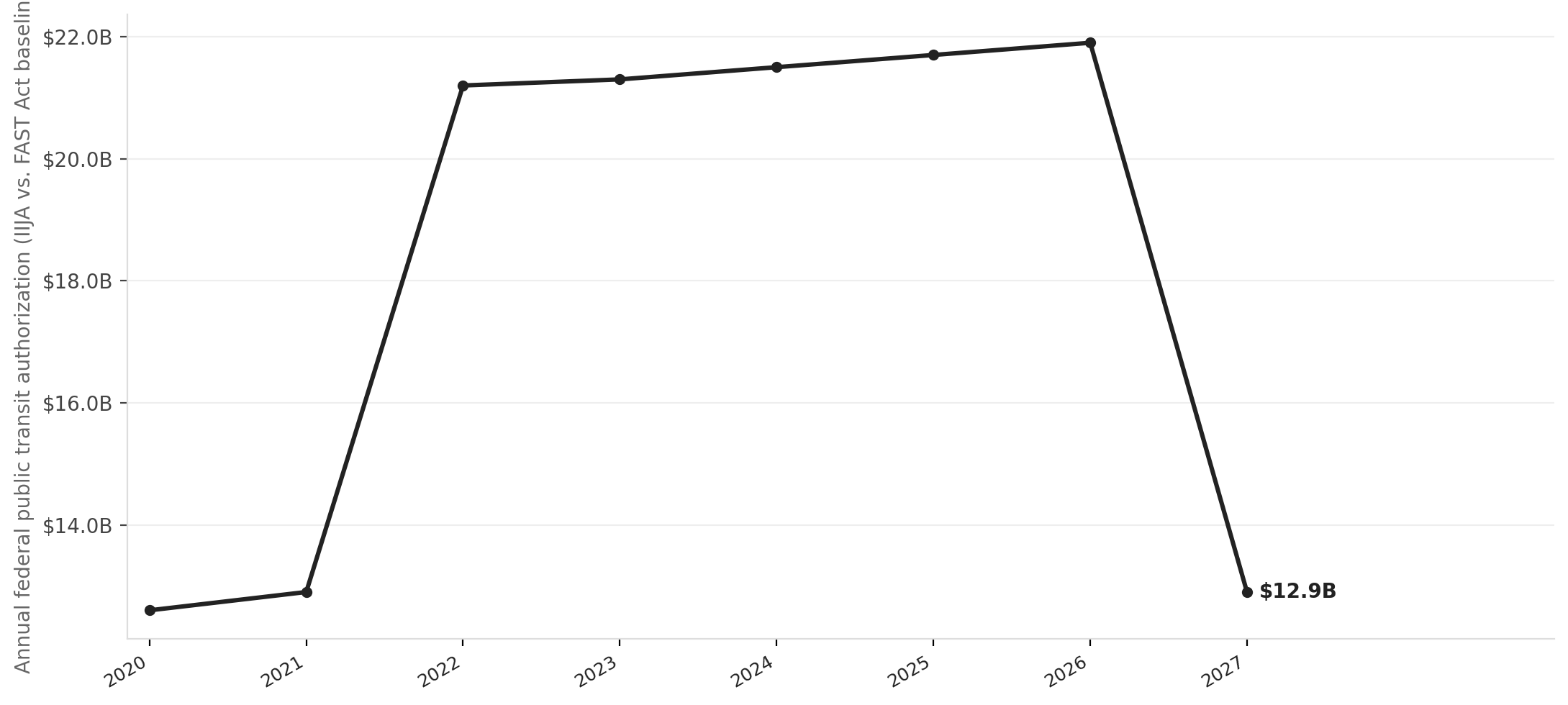
The Bipartisan Infrastructure Law, signed in 2021, authorized roughly $108 billion for federal public transit programs through fiscal year 2026. That authority runs out September 30. Without a new surface transportation reauthorization bill, formula funding reverts to pre-IIJA baselines, a reduction of approximately $28 billion per year nationally, according to the Federal Transit Administration. Congressional negotiations on a successor bill remain unresolved as of early 2026, with no legislation introduced. For WMATA and every major transit agency in the country, the calculus is simple: obligate now or lose the allocation.
The evidence of that sprint landed in a single week in late March. On March 23, the FTA obligated a $174.4 million Federal Transit Formula Grant to WMATA for the reconstruction of the Bladensburg and Northern bus garages, including the battery-electric fleet infrastructure needed to run them. Eight days later, a second $9.2 million grant covered a new training facility for Metro Transit Police and CDL certification. Together, those two awards account for nearly all of the 90-day surge, and both carry performance periods running years past the IIJA's expiration date, meaning the federal commitment is locked in even after the authorizing law sunsets.
Source: NationGraph.
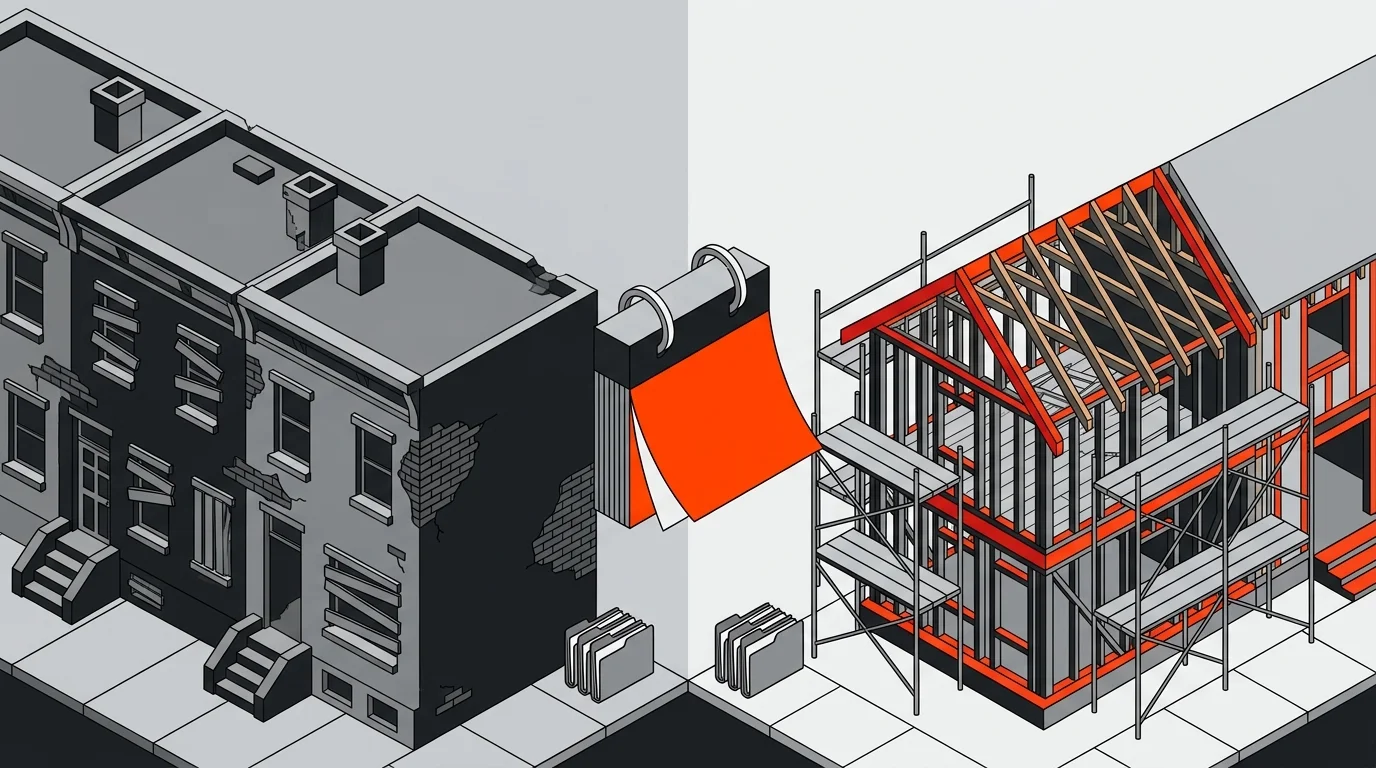
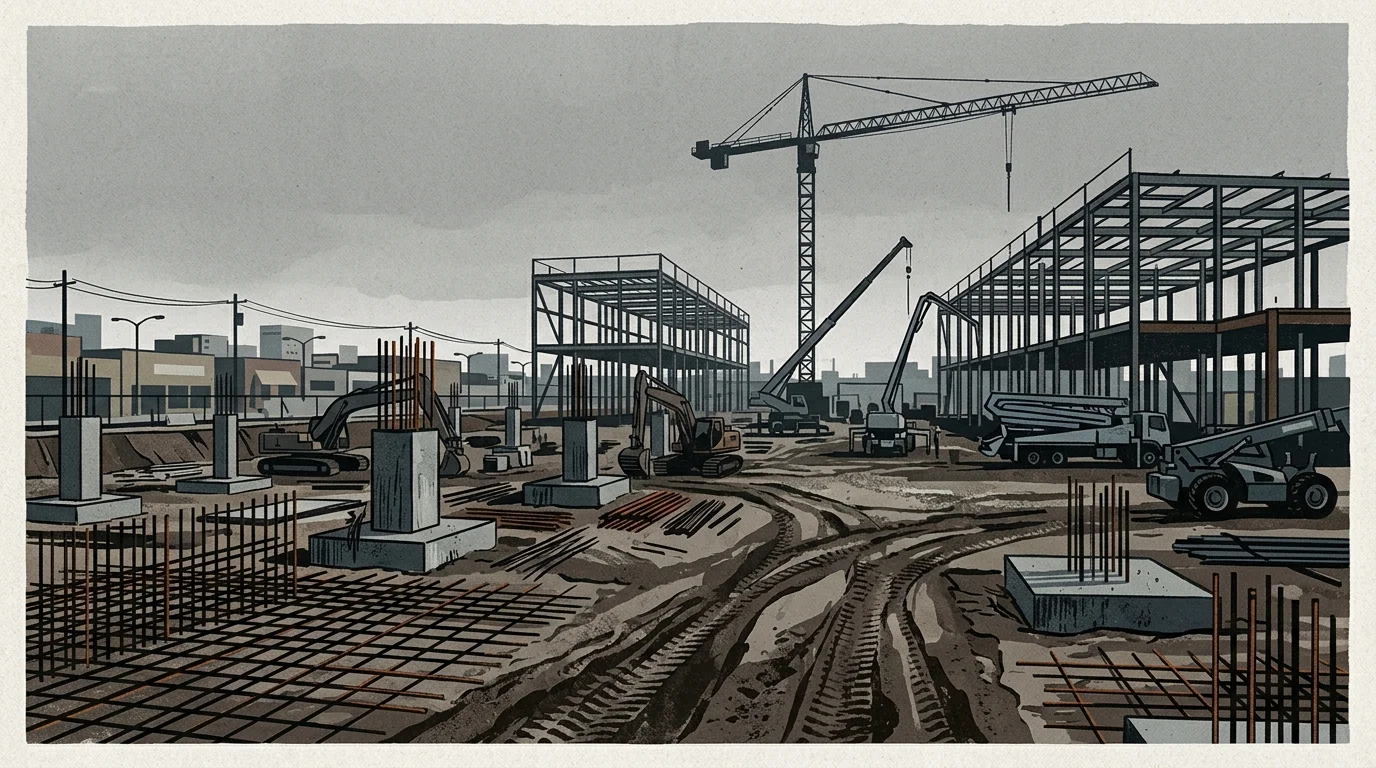
The garages themselves tell the story of how long this capital has been in the pipeline. The Bladensburg Bus Garage, originally constructed in 1962, is currently mid-reconstruction in Northeast DC and scheduled to open in early 2028. Northern Bus Garage, closed since 2019 after structural failures rendered it unusable, is being rebuilt as Metro's first all-electric bus facility, with completion targeted for 2027. Neither project could realistically restart without a capital commitment of this scale; the IIJA deadline created the forcing function to get both fully obligated before the window closes.
This $186 million sits inside a much larger WMATA federal portfolio. The agency currently holds $830.3 million in active FTA grants across 54 awards, with only $194.8 million actually outlayed so far. That gap between obligated and spent is not unusual for capital construction, but it signals that the physical transformation underway in DC's bus system is still mostly ahead of it, not behind it. Add a separate $50.3 million FTA Low-or-No Emission grant WMATA received in November 2025 for 50 hybrid buses, and the agency has assembled the largest single-quarter capital commitment in its modern history at precisely the moment when federal transit generosity is scheduled to contract.
The urgency is sharpened by what comes next. WMATA's FY2027–FY2032 Capital Improvement Program totals $13.5 billion, and the agency's board formally endorsed the Red Line Modernization project in April 2026 as its top priority for a new Capital Investment Grant application. That application requires a functioning CIG program, which itself depends on reauthorization. WMATA is, in effect, spending the last of one era's money while simultaneously lobbying for the next era's framework to exist at all. As analysts tracking the infrastructure funding cliff have noted, the asymmetry between agencies that moved early to obligate IIJA funds and those that didn't will define transit capital capacity for the better part of a decade.
For riders, the most immediate consequence is visible construction. The Bladensburg site on Bladensburg Road NE and the Northern garage footprint on 14th Street NW are active worksites that will reshape how Metro deploys its bus fleet once both facilities open. Fewer diesel buses maintained in aging structures, more battery-electric vehicles charged in purpose-built facilities, the operational shift depends entirely on the capital commitments now being finalized.
The question that will define the next phase is whether Congress acts before September 30. If reauthorization passes with funding parity to the IIJA, the disruption to agencies that haven't yet obligated their full allocations is manageable. If it doesn't, the $28 billion annual gap falls hardest on systems with the largest capital pipelines and the fewest alternative funding sources. WMATA, having sprinted to lock in its share, will be better positioned than most. The clock is the same for everyone; not everyone has been running.