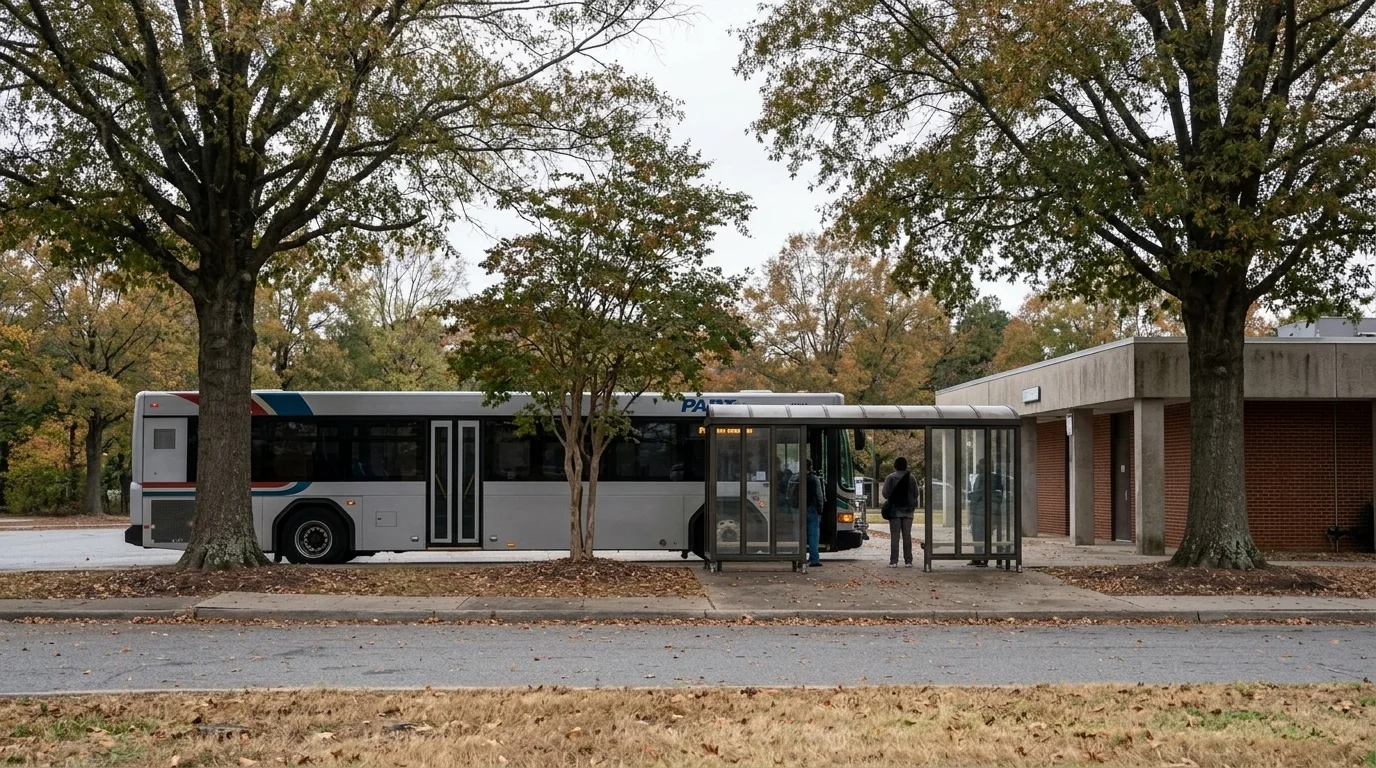
A stretch of W. James Street in Washington State is getting repaved and upgraded with $883,000 in federal highway funding, part of a national push to chip away at a massive backlog of deteriorating roads while also bringing aging intersections into compliance with disability access requirements.
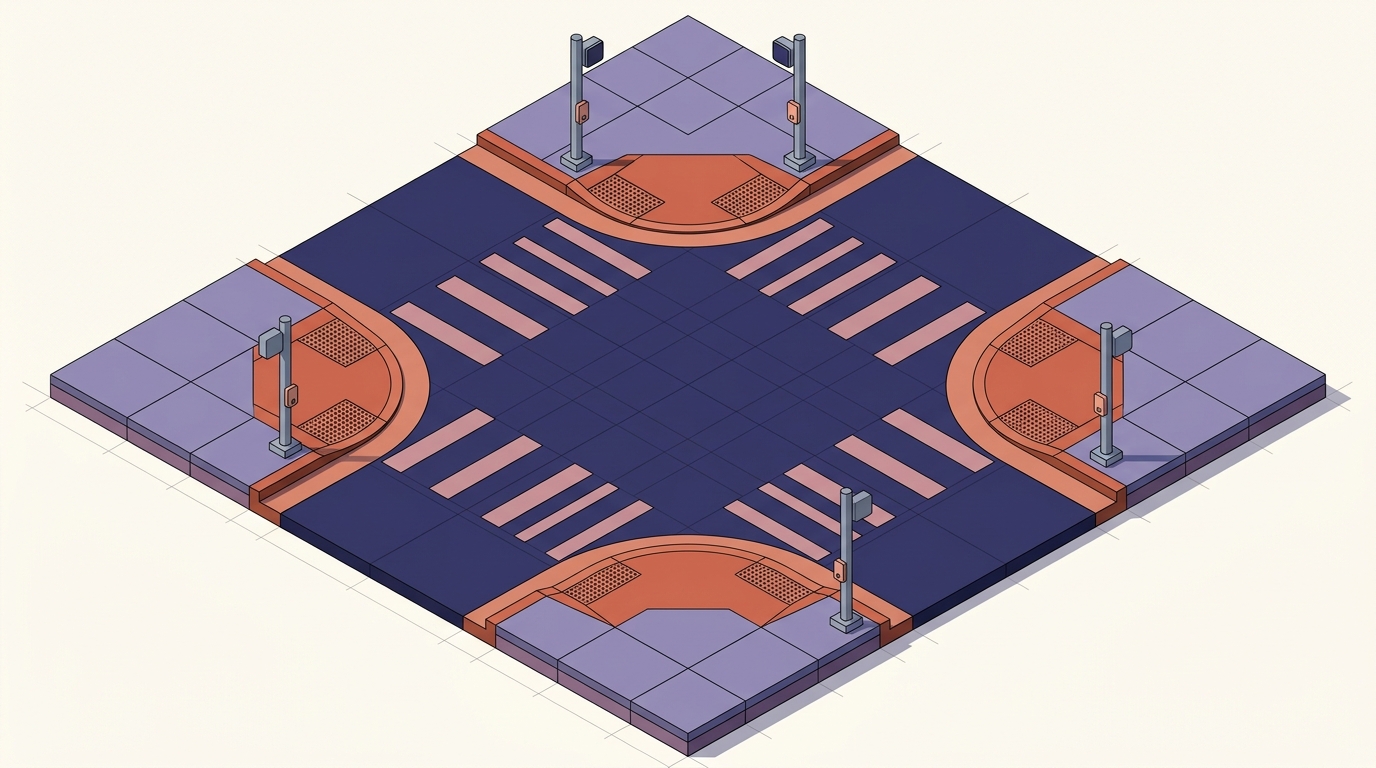
The National Highway Performance Program grant, flowing through the Washington State Department of Transportation, will cover pavement repairs, mill-and-overlay resurfacing, sidewalk repairs, upgraded curb ramps, and new accessible pedestrian signal systems. The bundling of road work with accessibility upgrades is now standard practice on federally funded projects: under ADA rules, any time a public agency alters a street, it must bring curb ramps and related features up to current standards.
For Washington, that obligation carries extra weight. A 2017 class-action settlement forced WSDOT to commit to upgrading thousands of curb ramps on state routes to ADA standards over roughly 15 years, a process that is still underway. Disability advocates have continued to monitor the state's pace of compliance.
The funding comes from the 2021 Bipartisan Infrastructure Law, which authorized roughly $148 billion for highway preservation over five years, explicitly directing states to prioritize maintaining existing roads over building new ones. Washington has leaned heavily on that federal money. The state has no income tax, making it dependent on gas taxes and vehicle fees that are shrinking as fuel efficiency improves and electric vehicle adoption climbs. Washington has one of the highest EV adoption rates in the country, and the long-term revenue gap is real.
WSDOT acknowledged in a 2023 report to the state legislature that pavement conditions on state highways had been declining, with inflation in construction costs running 20 to 30 percent above pre-pandemic levels. That means $883,000 buys less road repair today than it would have a few years ago, even as the backlog grows.
The specific municipality where W. James Street is located was not identified in the grant record. WSDOT has not yet responded to a request for clarification. The project is among the final wave of IIJA-funded work being obligated before the current federal authorization cycle ends.