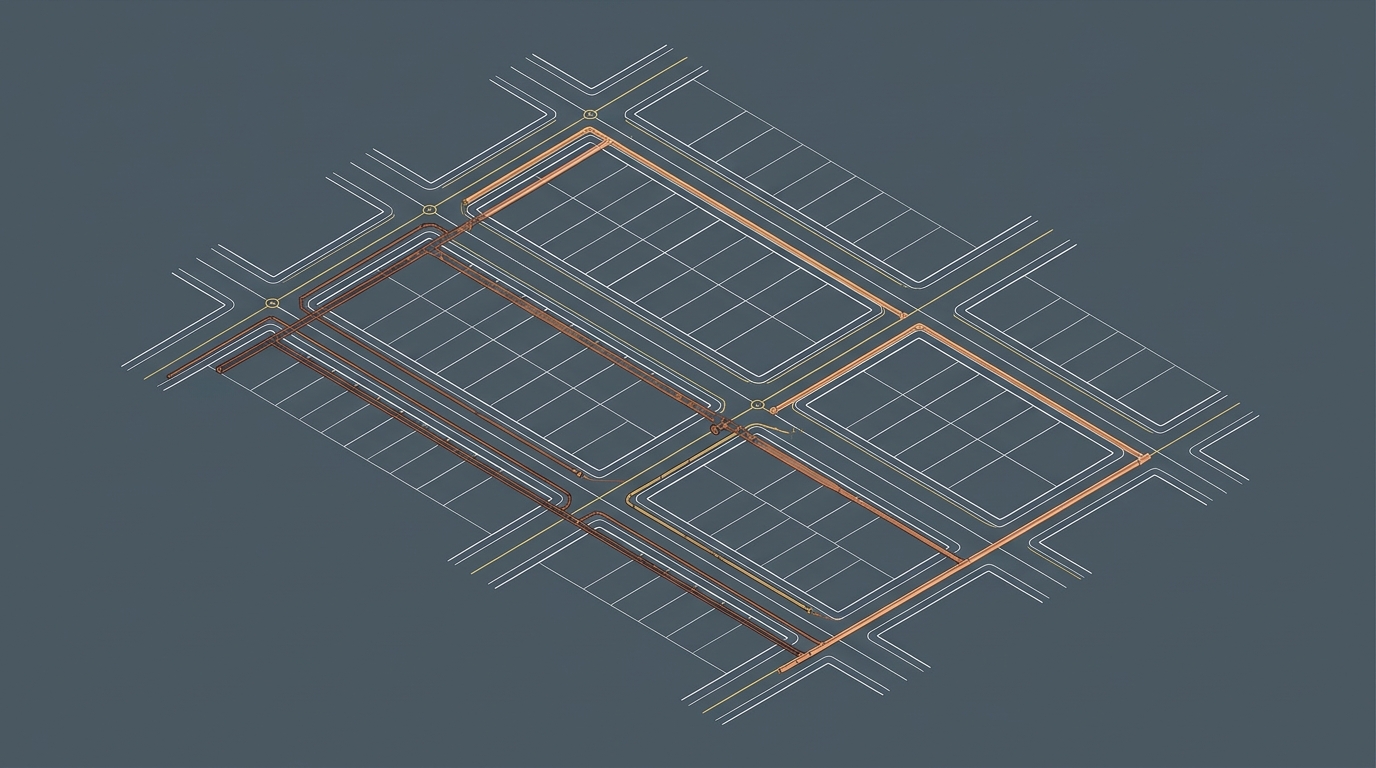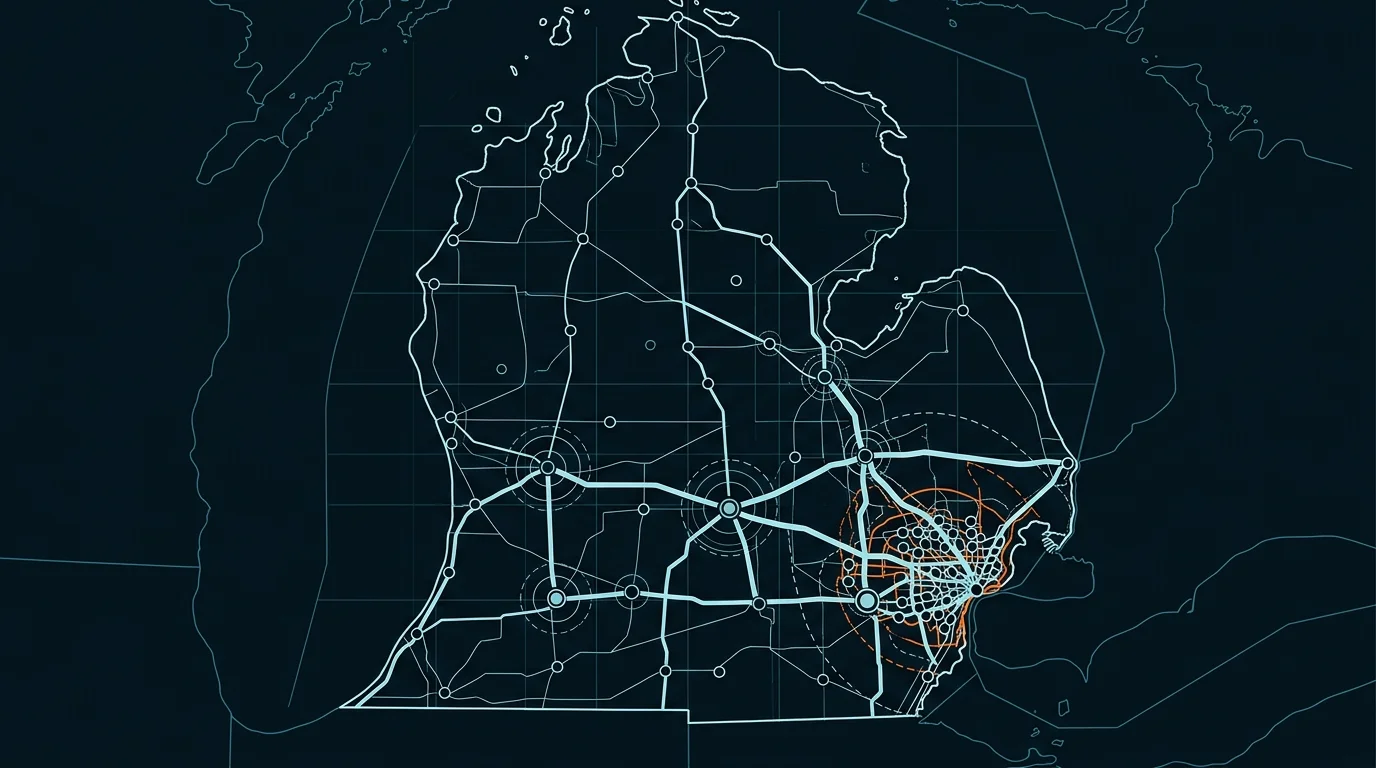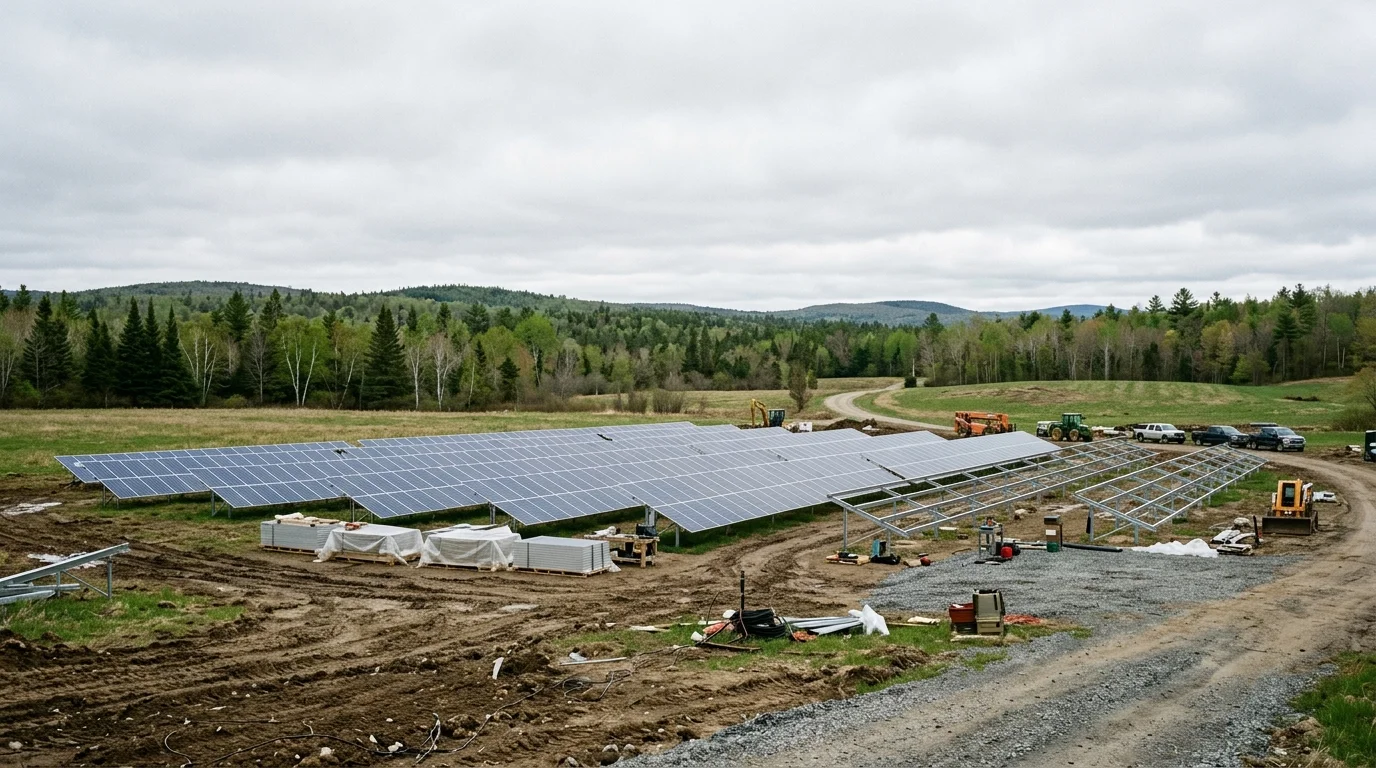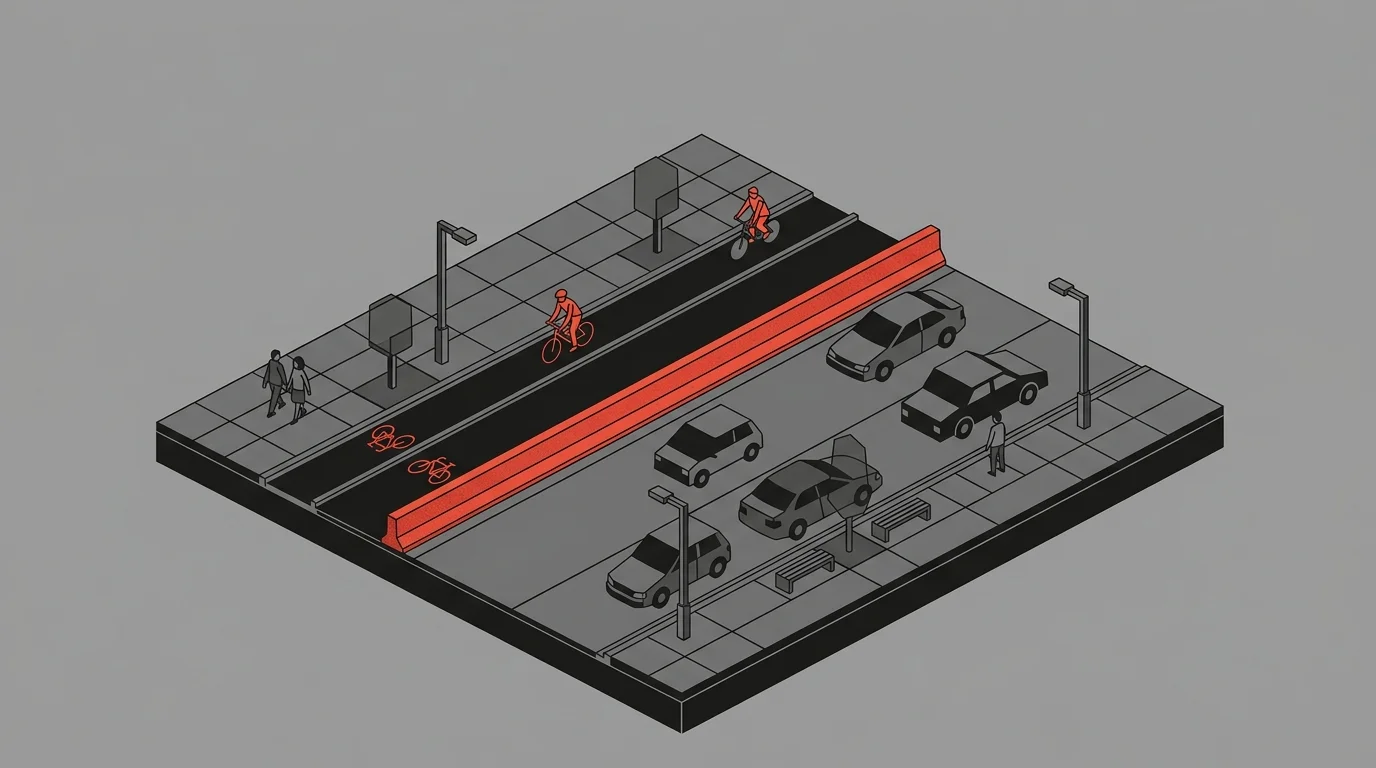
Philadelphia is pushing its cycling infrastructure into two of its most car-dependent corners, committing roughly $914,000 to build permanent, concrete-separated bicycle lanes on Essington Avenue in Southwest Philadelphia and Ryan Avenue in the Northeast.
Both corridors have long been left out of the city's bike network expansion. Essington Avenue runs through a majority-Black stretch of Southwest Philadelphia near the airport and sports complex, where wide, fast-moving roads have made cycling dangerous for decades. Ryan Avenue cuts through Northeast Philadelphia, a predominantly car-oriented area that has historically resisted cycling investments. Neither neighborhood has anything close to the protected infrastructure that exists in Center City and surrounding dense neighborhoods.
The choice of concrete as the construction material signals that Philadelphia is not building a temporary fix. Painted bike lanes and plastic flex posts have been the cheaper, easier option in past projects, but research has consistently shown they offer little real safety protection. Concrete barriers and curbing are permanent, which also means they're harder to reverse politically.
That political dimension matters in Philadelphia. Protected bike lanes have generated sharp debate on City Council, where members from outer districts have pushed back against designs that reduce car lanes or parking. After several high-profile cyclist fatalities in recent years, advocates from the Bicycle Coalition of Greater Philadelphia have pressed harder for exactly this kind of hardened infrastructure. The city saw more than 120 traffic deaths in 2022 alone, keeping pressure on its Vision Zero program, which set a goal of eliminating traffic fatalities by 2030.
Philadelphia has been leaning on federal dollars to fund this expansion. The city landed a $21.4 million Safe Streets and Roads for All implementation grant in 2024, one of the largest in the country under the 2021 Bipartisan Infrastructure Law, and has been using that money to accelerate projects that might otherwise wait years in the city's capital queue. The Essington and Ryan Avenue project is part of that broader push.
The city is currently in the contractor prequalification phase, screening construction firms before formal bidding begins. Once a contractor is selected, the timeline for construction will come into clearer focus. For residents in Southwest and Northeast Philadelphia, the project represents a tangible test of whether the city's cycling equity ambitions can take hold beyond its traditional stronghold.