Livingston County, New York is getting $1 million in federal funding to start cleaning up contaminated former industrial and commercial sites that have sat idle for decades across the rural Finger Lakes region, blocking new development and weighing on a local economy still recovering from deindustrialization.
The EPA grant, which took effect October 1, 2025, doesn't just pay to clean up a single site. It capitalizes a revolving loan fund, meaning the county can lend money to property owners and developers for cleanup work, and as those loans are repaid, the dollars cycle back into the fund for the next project. The model is designed to stretch a one-time federal investment into a sustained cleanup program for a county with roughly 62,000 residents and a limited tax base.
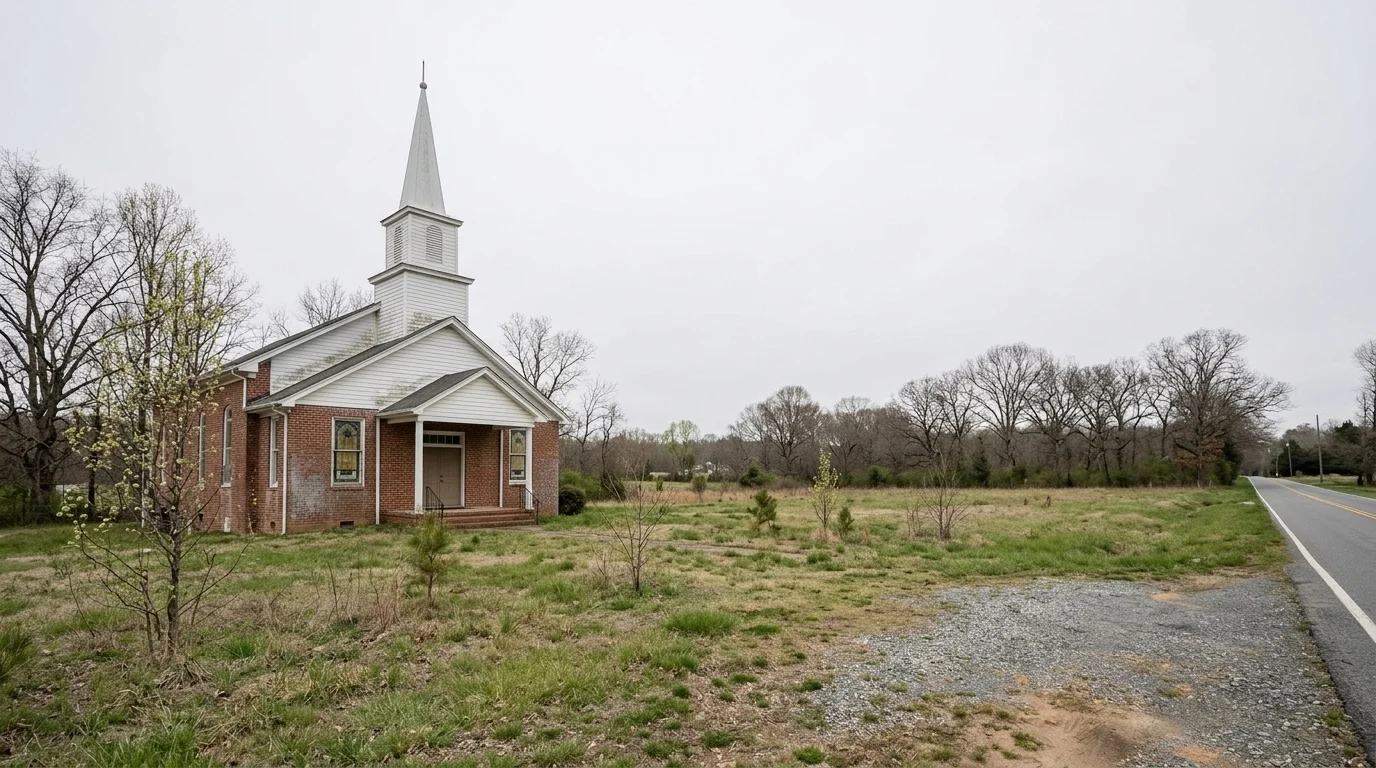
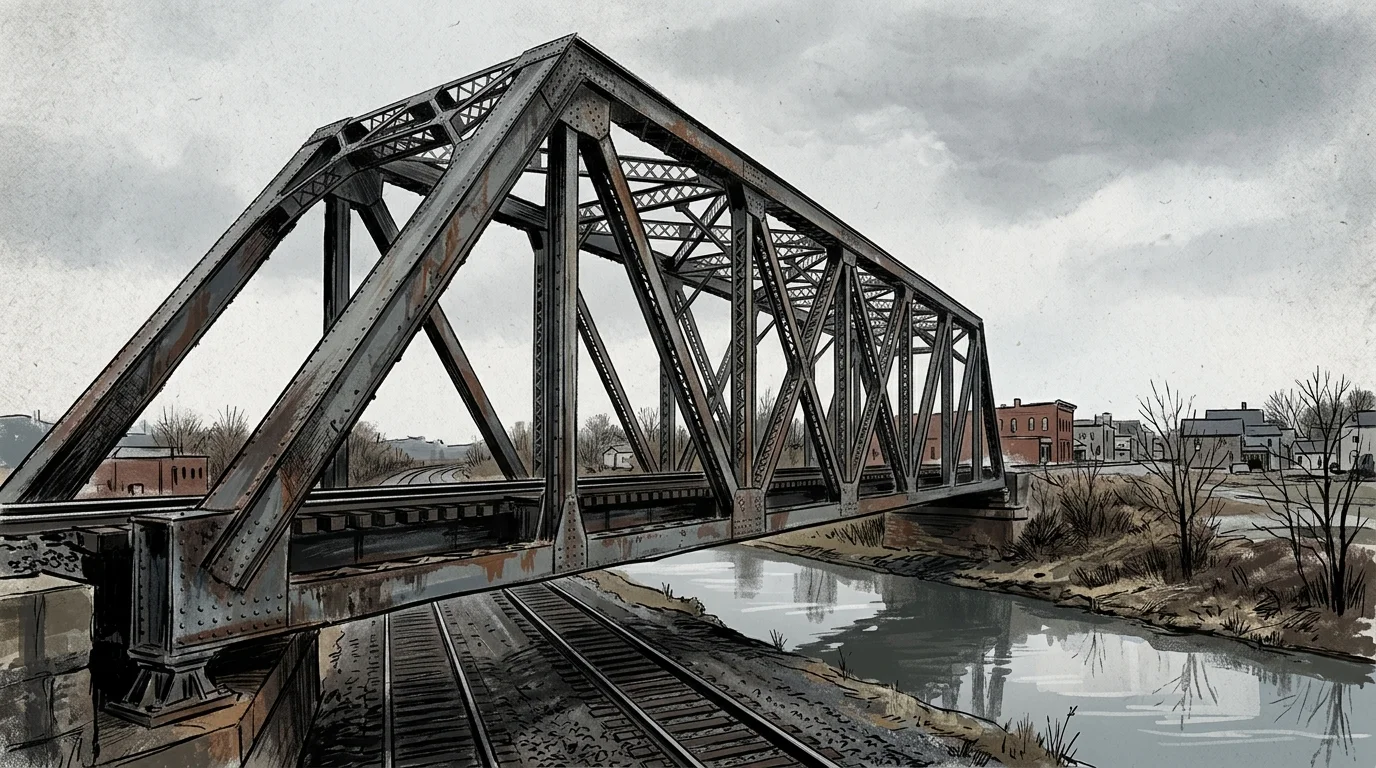
Livingston County includes older industrial and commercial districts in villages like Dansville, Mount Morris, and Avon, where shuttered facilities from manufacturing's peak decades may still carry soil or groundwater contamination. Such properties, known as brownfields, typically can't be sold or redeveloped until the contamination is addressed, but cleanup costs are often steep enough to deter private investment, particularly outside major urban markets. The county has been part of New York's Finger Lakes Forward regional economic strategy, and local officials have identified contaminated sites as a persistent drag on those revitalization efforts.
The funding comes from the Infrastructure Investment and Jobs Act, signed in 2021, which poured roughly $1.5 billion into the EPA's Brownfields Program over five years, a dramatic expansion from the program's previous budget of around $85 to $90 million annually. EPA directed much of that money toward rural and disadvantaged communities that had rarely accessed brownfields funding before.
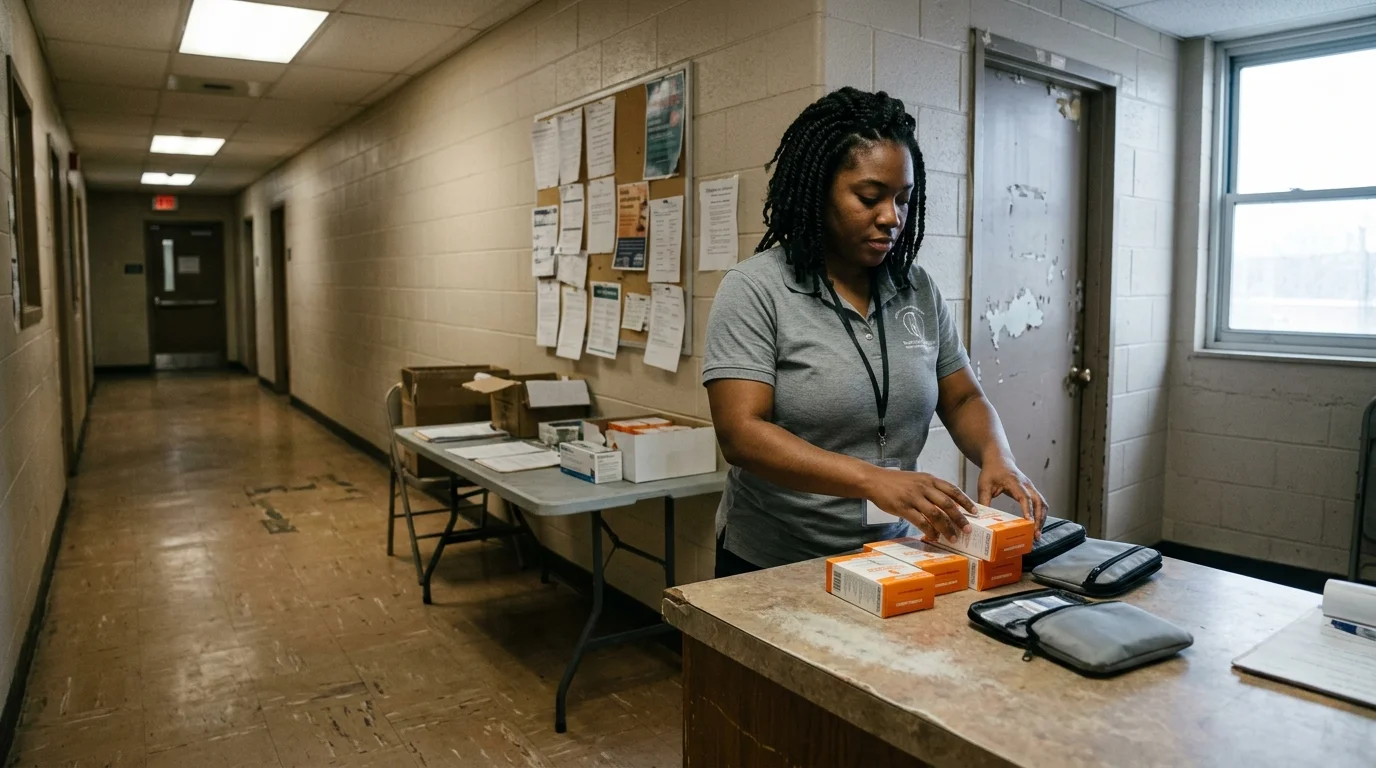
The county plans to hold 20 community meetings as the program gets underway and will hire an environmental professional to oversee site work. Each remediated property will require its own public involvement plan and administrative record, reflecting EPA requirements designed to keep residents informed and give the agency a paper trail on cleanup decisions.
The revolving loan model has a strong track record nationally. EPA data suggests every federal dollar spent on brownfields cleanup generates more than $20 in broader economic activity. But some RLFs have stumbled in practice, with communities finding it harder than expected to attract borrowers or move projects through the permitting and cleanup pipeline. Whether Livingston County can successfully deploy the fund will depend on identifying the right sites, finding developers willing to take on the remediation process, and building the administrative capacity to manage an ongoing lending program.