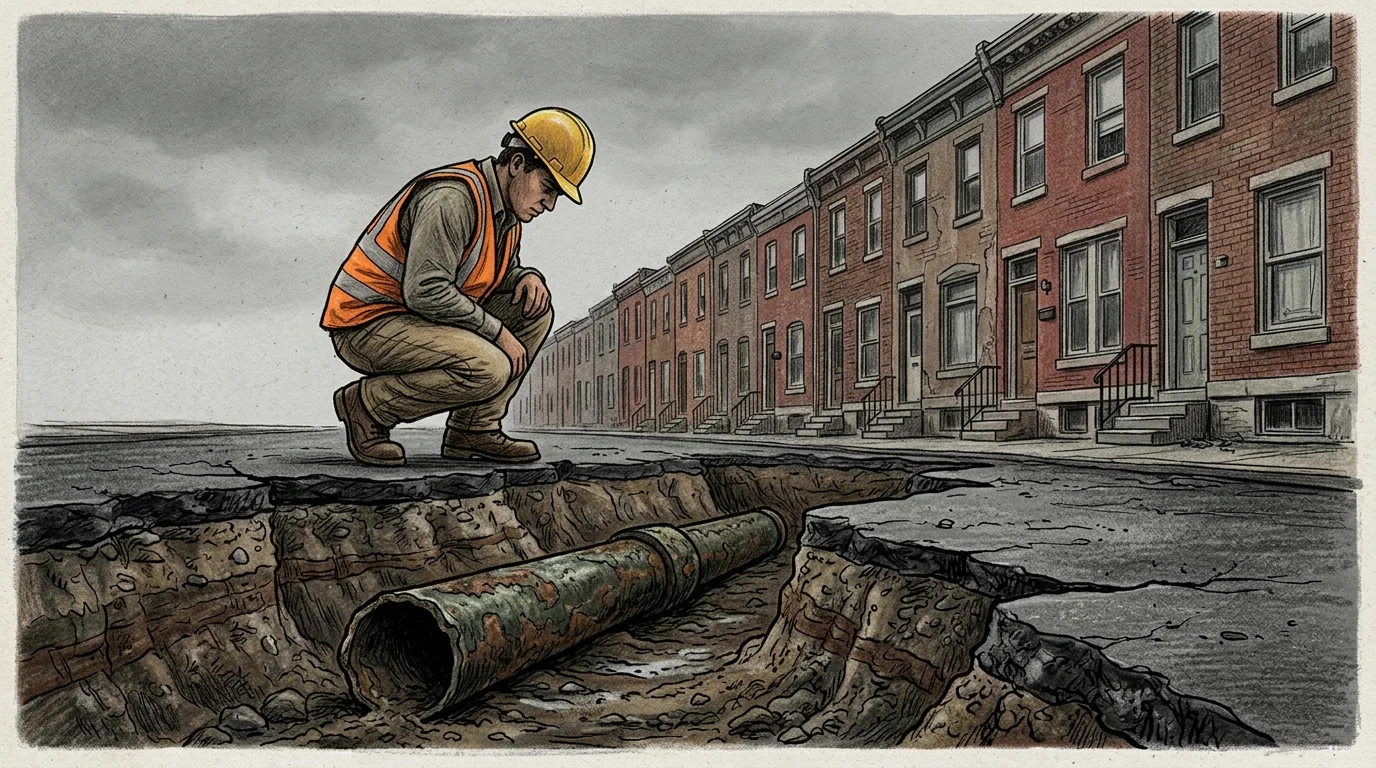
Trenton, New Jersey is pressing ahead with another round of lead pipe removals, advancing a multi-year effort to strip out century-old infrastructure that can poison drinking water before a state-mandated 2031 deadline.
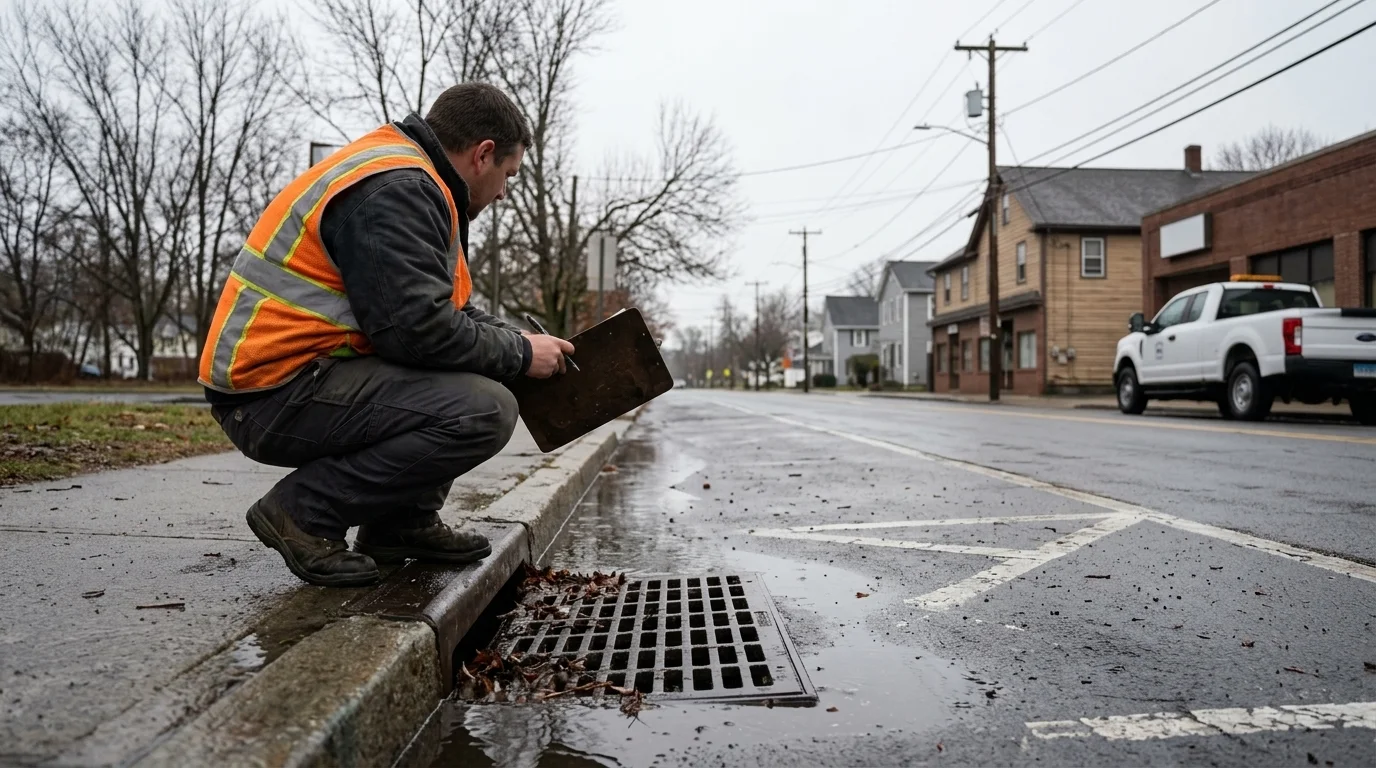
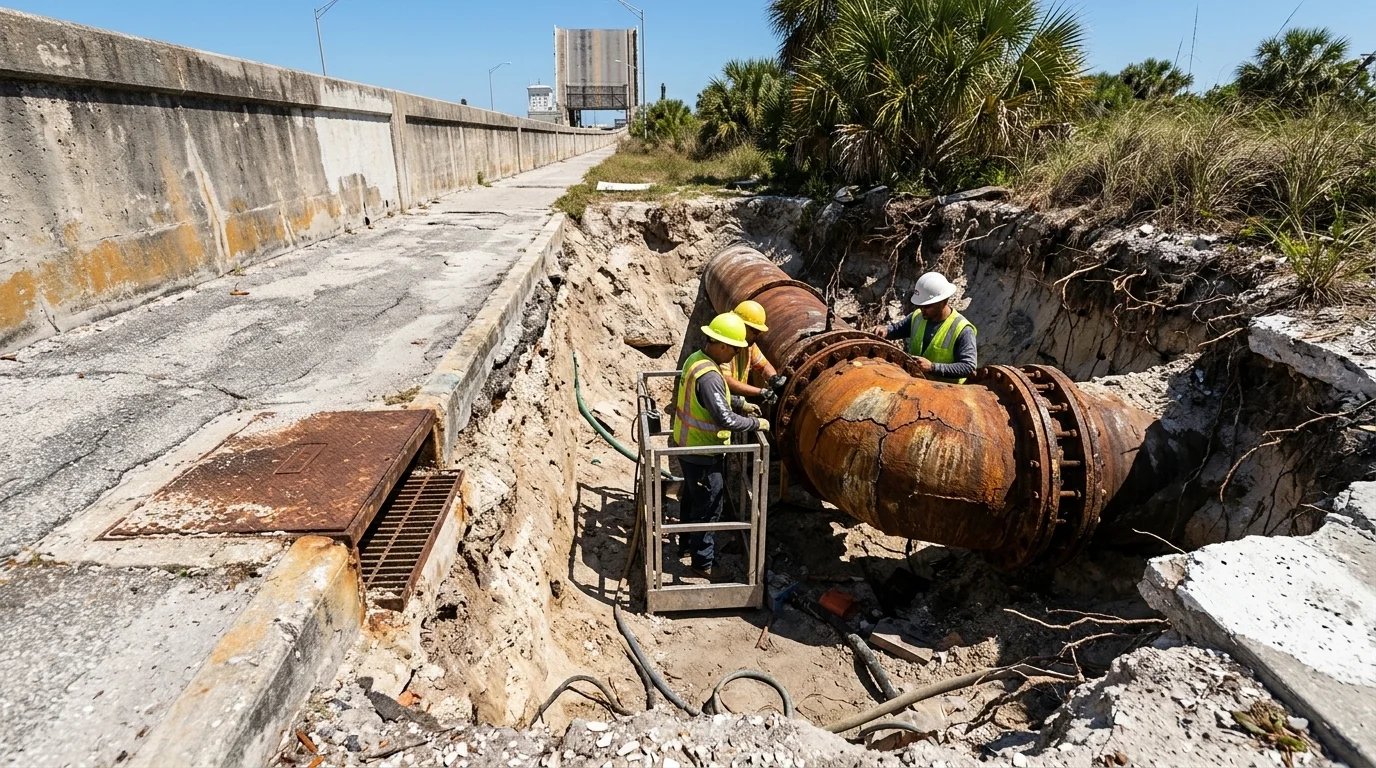
The city is now soliciting bids for Phase 6B of its lead service line replacement program, the latest step in a sustained neighborhood-by-neighborhood campaign to eliminate lead pipes connecting the public water main to individual homes. The work involves excavation, pipe replacement, and street restoration, coordinating with homeowners along the way.
The stakes are especially high in Trenton, a city of roughly 90,000 where more than 80% of residents are Black or Latino and where the median household income runs about half the state average. Lead exposure is most dangerous to children, causing irreversible neurological damage, and Trenton's aging housing stock, much of it built before 1950, means many homes are served by the oldest and most compromised pipes in the system. Trenton Water Works, which supplies water to roughly 220,000 people across the city and parts of suburban Mercer County, has faced years of state regulatory scrutiny over water quality and treatment standards.
New Jersey is among the most aggressive states in the country on this issue. A 2021 law signed by Governor Phil Murphy mandated that all lead service lines in the state be replaced within 10 years, a deadline no other state had set at the time. New Jersey estimated it had more than 350,000 lead lines statewide. Federal dollars from the 2021 Bipartisan Infrastructure Law have helped fund the work, as has a 2024 EPA rule requiring water systems nationwide to complete lead line removal within a decade. Similar federally supported replacement campaigns are underway across the country, including in cities like Saginaw, Michigan.
The fact that Trenton is now on its sixth distinct bidding phase reflects both the scale of the problem and the logistical grind of working through a large inventory of pipes under live streets. The specific number of lines targeted in this phase and the neighborhoods involved were not detailed in the publicly posted solicitation.
With roughly five years left before the 2031 deadline, how many phases remain and whether the current pace of replacement will be enough to finish on time is an open question.