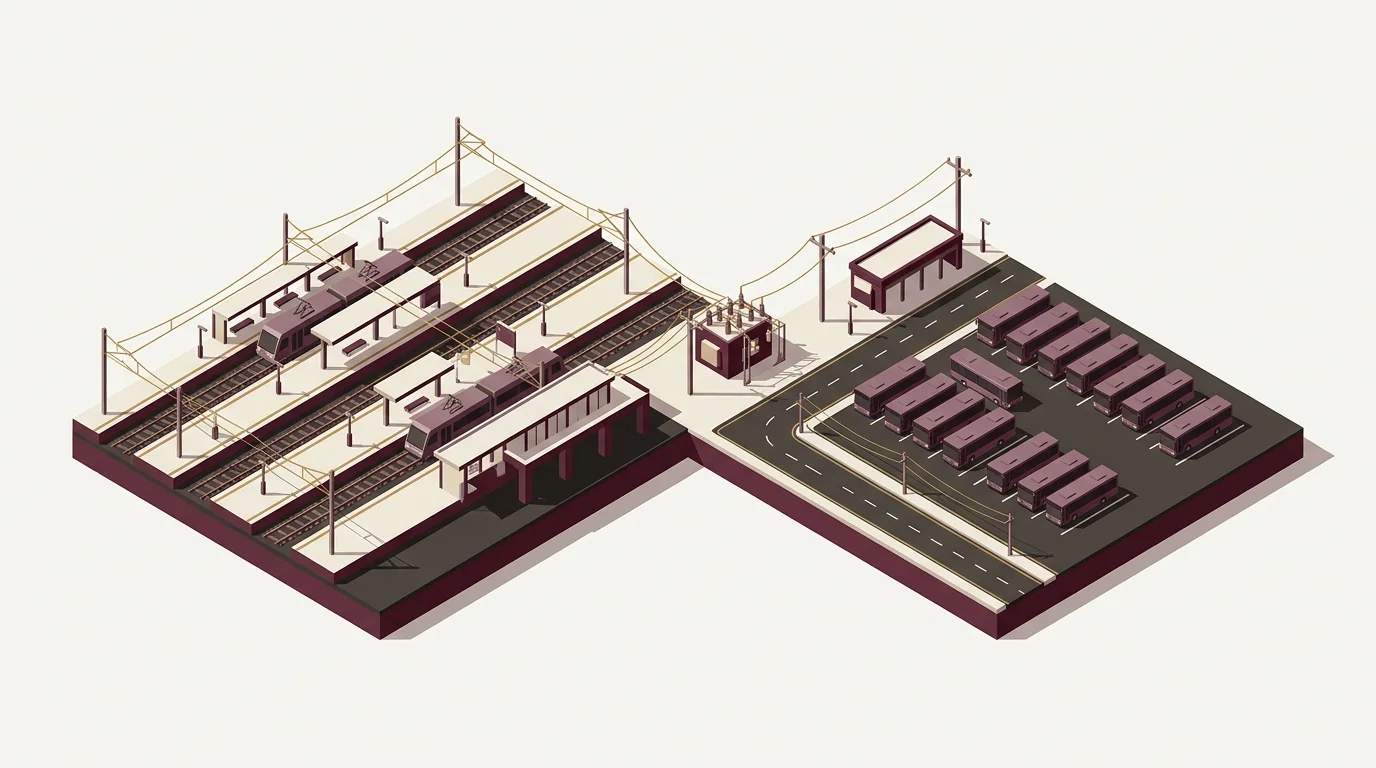
Connecticut DOT received $283.4 million in federal transit formula funding on March 30 for Waterbury Branch Line electrification and station construction, a commitment running through 2031 that represents a 70,770 percent increase over the $400,000 allocated in the same 90-day window last year. The grant anchors a $193 million modernization program serving four stations between Waterbury and Bridgeport, locking in permanent rail infrastructure at the exact moment the state admitted defeat on a different kind of electrification.
One month after the federal dollars arrived, the Connecticut House voted 99-51 to roll back the state's diesel bus ban, allowing DOT to resume purchases of conventional buses after a two-year prohibition. House Speaker Matt Ritter cited "disappearing federal subsidies" under the Trump administration as the driver. The 2022 Clean Air Act had mandated 100 percent electric transit buses by 2035 and banned new diesel purchases starting January 2024, but by March 2026, DOT officials told lawmakers the policy created a fleet maintenance crisis, battery-electric bus manufacturing backlogs left the state struggling to maintain its 600-plus vehicle fleet.
The Section 5307 grant is the largest single federal transit allocation Connecticut has received in recent memory. It increases the state's active DOT transit portfolio by 76 percent, building on $372 million already committed to EV-related projects including CTfastrak electric bus conversions. But where bus electrification depends on volatile federal purchase incentives and supply chains, the Waterbury Branch investment pays for fixed assets: station platforms, overhead catenary wire, substation infrastructure. The money flows regardless of which administration controls the White House.
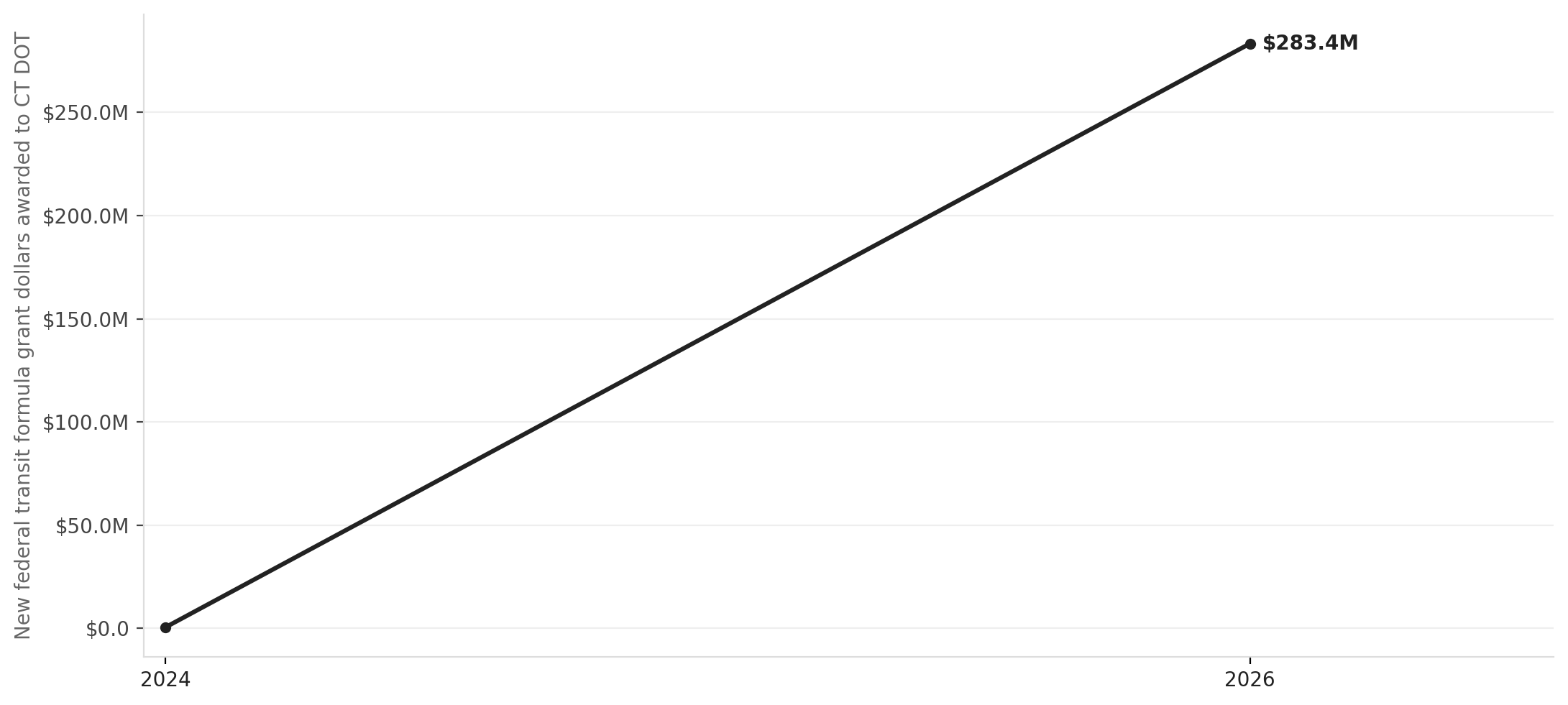
Source: NationGraph.
Waterbury Branch ridership at some stations now exceeds 200 percent of 2019 levels, making it a centerpiece of Governor Ned Lamont's transit-oriented development agenda. Lamont, who announced construction underway on four station upgrades in May, has positioned the Naugatuck Valley as Connecticut's proving ground for housing growth near rail. Hartford ranked among the hottest U.S. housing markets in early 2026 according to Zillow. The governor, seeking a third term with a 63 percent approval rating, is betting that permanent rail infrastructure delivers more predictable political returns than the stop-and-start subsidy regime governing bus procurement.
The policy reversal on diesel buses does not affect the Waterbury Branch dollars. Rail electrification falls under capital construction formulas that survived the Trump administration's broader pullback on EV incentives. Transit advocates have pointed out the irony: Connecticut built a regulatory framework around battery-electric buses, vehicles whose economics depend entirely on federal purchase subsidies that can vanish overnight, while the FTA's formula grant program for fixed infrastructure remained untouched.
Connecticut now operates 61 fully electric buses and 77 hybrids, part of the fleet the 2022 mandate was supposed to grow. The diesel ban rollback allows DOT to fill maintenance gaps with conventional vehicles while the battery-electric supply chain stabilizes, but it effectively concedes that the state cannot meet the 2035 deadline without reliable federal support. Speaker Ritter's floor remarks in April made the calculation explicit: the legislature would not force DOT to strand riders waiting for buses that do not exist.
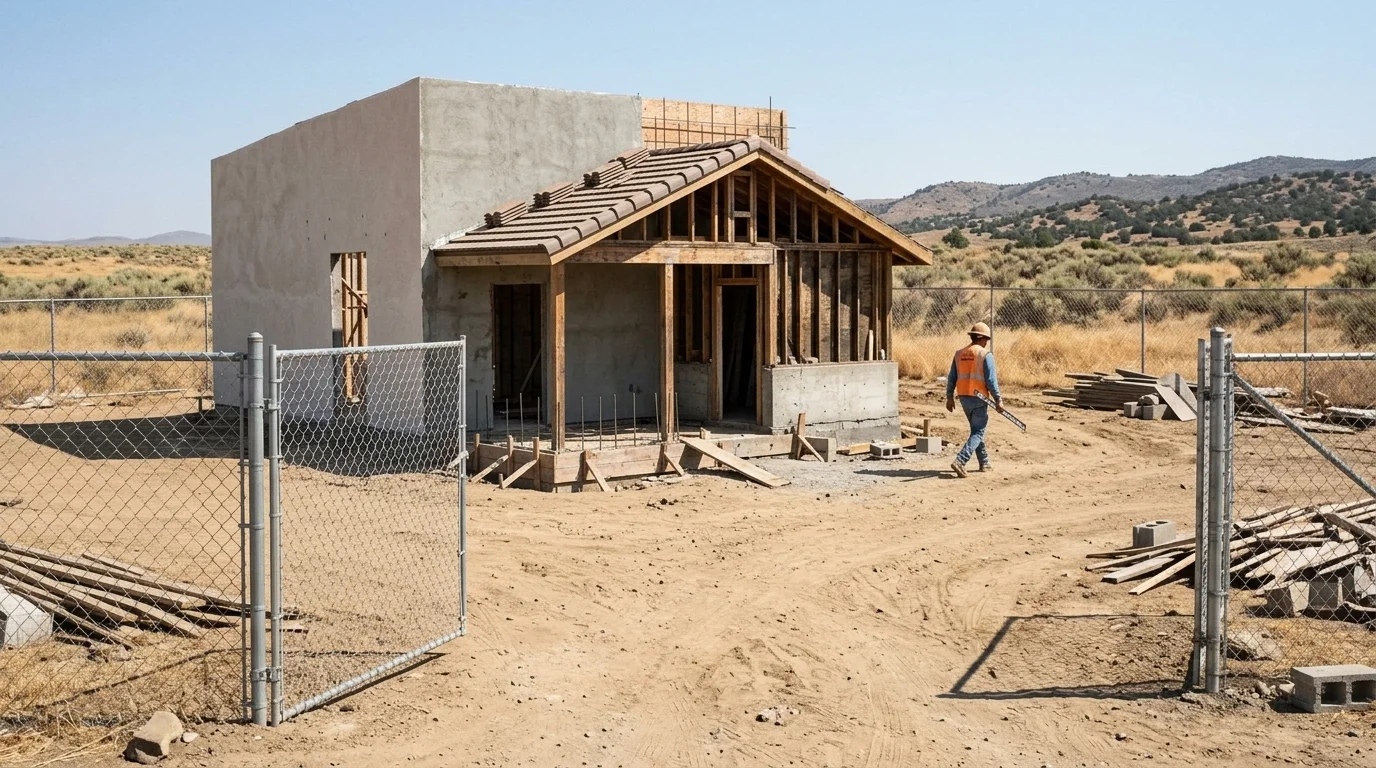
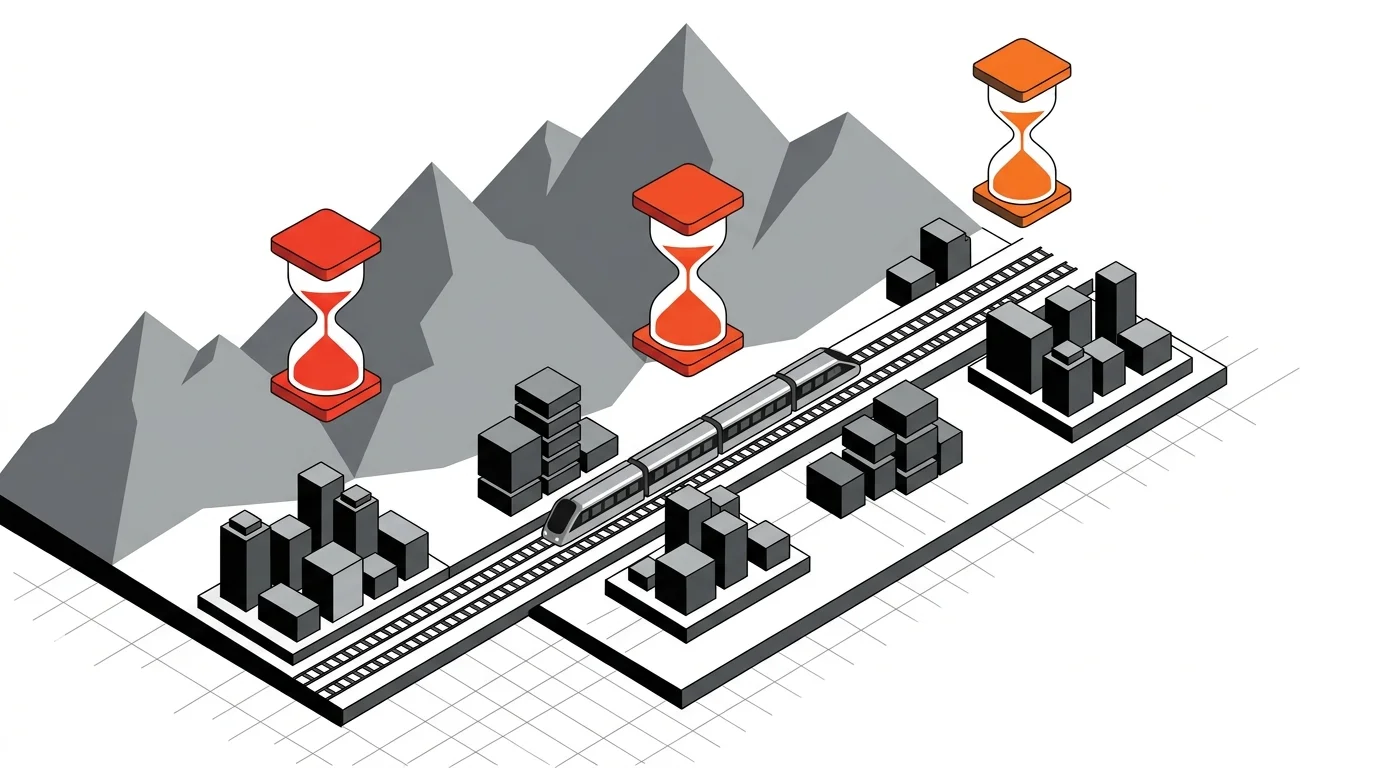
The Waterbury Branch funding runs through 2031, a timeline that spans two more presidential elections. Station construction at Ansonia, Beacon Falls, Seymour, and Waterbury begins this year. Electrified catenary installation follows in 2027. By the time the last federal dollar clears in 2031, the infrastructure will be built, immune to the policy swings that just killed Connecticut's bus mandate before it reached adolescence.
The legislature's next test arrives in January 2027, when the new session reconvenes and DOT reports how many diesel buses it purchased under the HB 5464 waiver. Progressive lawmakers who opposed the rollback will press for hard deadlines on when the diesel window closes again. Lamont, if reelected in November, will need to explain how a state that just spent a quarter-billion federal dollars on rail electrification plans to meet its 2035 bus targets without the subsidies that were supposed to make them possible.