Michigan is pushing aggressively to rid its drinking water of PFAS: the synthetic "forever chemicals" linked to cancer, thyroid disease, and developmental problems with a $26.6 million federal grant flowing to the state's revolving fund for water system upgrades.
The money, awarded October 1 through the EPA to Michigan's Department of Environment, Great Lakes, and Energy (EGLE), comes from the 2021 Bipartisan Infrastructure Law, which set aside $9 billion specifically for PFAS and emerging contaminant cleanup at water systems nationwide. Unlike typical revolving fund loans, every dollar of this package will be distributed as grants or principal forgiveness, meaning communities won't have to pay it back. That structure reflects the reality on the ground: many of Michigan's most contaminated communities are small and rural, with no realistic way to finance multimillion-dollar treatment systems on their own.
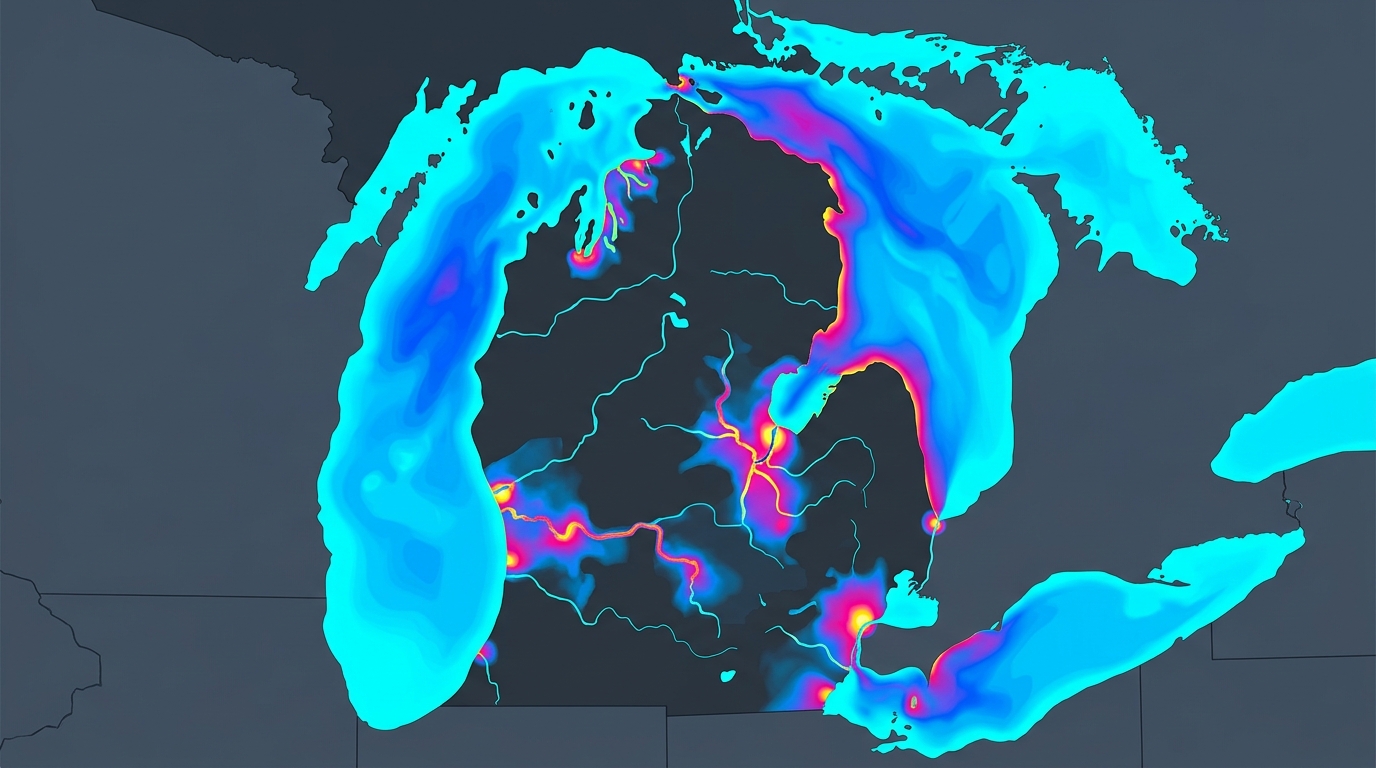
Michigan has more identified PFAS contamination sites than nearly any other state. The chemicals, used since the 1940s in firefighting foam, nonstick cookware, and food packaging, were discovered in hundreds of Michigan water sources starting around 2017, concentrated near military installations like Wurtsmith Air Force Base in Oscoda and industrial sites like the former Wolverine World Wide tannery in Rockford. Governor Gretchen Whitmer created the Michigan PFAS Action Response Team in 2019, and the state adopted its own enforceable drinking water limits in 2020, years before the federal government acted.
The EPA finalized the first national PFAS drinking water rule in April 2024, setting limits as low as 4 parts per trillion for the most common compounds and giving water systems until 2029 to comply. Treatment options, including granular activated carbon filters and reverse osmosis systems, are effective but expensive, which is exactly what this funding is designed to help cover.
Michigan moved to maximize this particular grant by transferring $9.14 million from its Clean Water emerging contaminants allocation onto the drinking water side, consolidating both pots of federal money into a single, larger fund. Similar federal grants have gone to states across the country, including Iowa, which received $11.5 million for the same purpose.
The urgency is real, but the political ground is shifting. The Trump administration has signaled interest in revisiting the 2024 PFAS drinking water rule, and some industry groups and Republican lawmakers have pushed for a slower compliance timeline or weaker standards. That creates an awkward dynamic: states are receiving federal money to meet requirements that may yet be rolled back before the 2029 deadline arrives.
For Michigan, the stakes are hard to overstate. Coming less than a decade after the Flint water crisis exposed catastrophic failures in drinking water oversight, another statewide water contamination emergency carries particular weight. EGLE is expected to begin directing funds to eligible water systems for planning, design, and construction of treatment projects. Small systems can also receive technical assistance under the program.