New York City is opening a new pathway for nonprofit and minority-owned developers to build affordable housing on city-owned land, targeting a pipeline that has historically been slow to close deals and tilted toward large, well-capitalized firms.
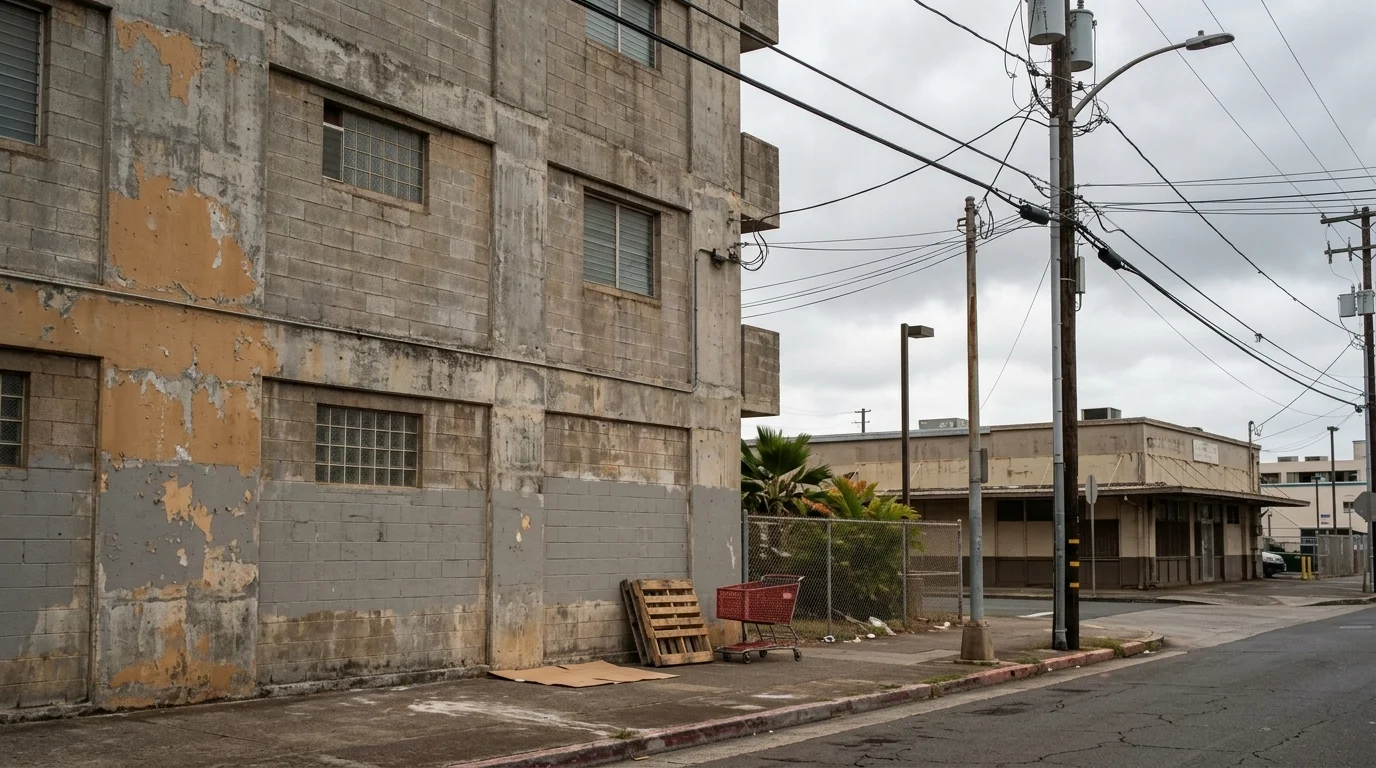
The city's Department of Housing Preservation and Development launched the Neighborhood Builders Fast Track program this month, restricting eligibility to nonprofit organizations and minority or women-owned business enterprises. The program gives qualified developers access to publicly owned vacant lots and buildings, many of them concentrated in the Bronx, Brooklyn, and Upper Manhattan, where removing land cost from the equation is one of the few tools the city has to make deeply affordable housing financially viable.
The city's housing crisis has reached a breaking point by almost any measure. The rental vacancy rate sits near 1.4 percent, among the lowest on record, while median rents have surged since the pandemic. The city holds hundreds of city-owned parcels, most acquired through tax lien foreclosures during the urban fiscal crisis of the 1970s and 1980s, and HPD has been working through that inventory for decades.
The program's structure is designed to cut down on one of the biggest complaints about that process: the time it takes. A 2023 audit by the city comptroller found some HPD projects took five to seven years from developer selection to construction start. The new program builds a pre-qualified pool of developers who can be matched to sites as they become available, bypassing a separate, months-long application process for each parcel. It's a model other cities have tried, including Philadelphia's Turn the Key program.
The equity dimension is just as deliberate as the speed goal. Despite stated commitments to M/WBE contracting, actual dollars flowing to minority and women-owned development firms in the city have consistently fallen short of targets. Community-based nonprofits, despite often having deeper roots in the neighborhoods where development happens, have struggled to compete against firms with access to more capital and dedicated compliance staff. The Neighborhood Builders program tries to level that by creating a dedicated lane.
Whether it delivers depends on execution. HPD's development pipeline faces real headwinds beyond bureaucratic delay: construction costs in New York City are among the highest in the world, and interest rate volatility in recent years disrupted the federal tax credit and bond financing markets that most affordable housing deals rely on. Smaller nonprofits and newer M/WBE developers face those financing challenges acutely.
The program launched amid a broader push to reform how the city builds housing. The City Council passed the City of Yes for Housing Opportunity zoning reforms in December 2024, the most sweeping zoning overhaul in decades. HPD Commissioner Adolfo Carrión Jr., appointed by Mayor Eric Adams in 2024, has made faster project delivery a stated priority.
Developers interested in joining the pre-qualified pool can apply through HPD's program page. Sites will be assigned to qualified developers on a rolling basis as they become available.