Boston's Mattapan High Speed Line, the last surviving historic streetcar line in the United States, is about to get its power supply rebuilt from the ground up — while the electricity keeps flowing the entire time.
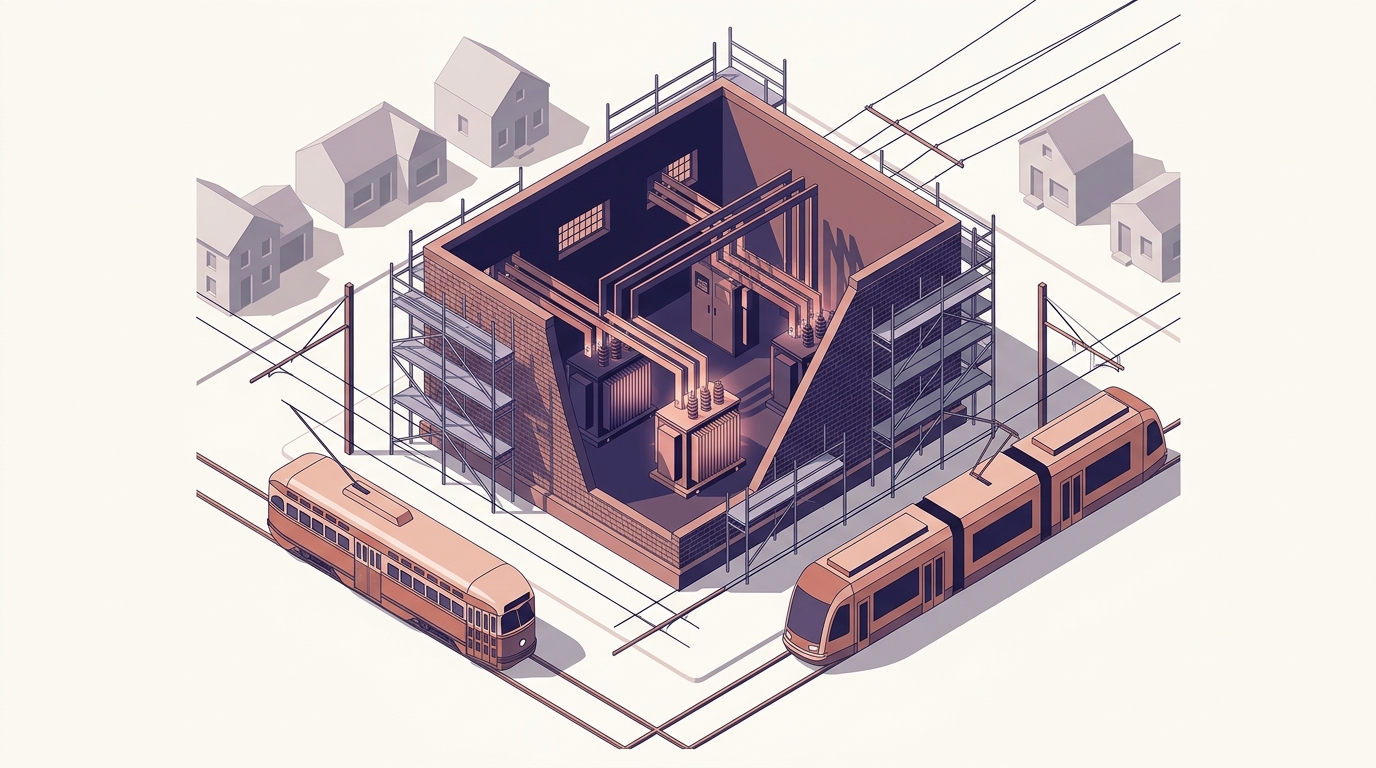
The MBTA is moving forward with a full replacement of the Ashmont Traction Power Substation, the single facility that converts utility power into the direct current that runs the Mattapan trolleys and keeps Codman Yard, their maintenance base, operational. Because there is no backup power source for the line, the substation must stay energized throughout construction. Cutting power even briefly would halt trolley service entirely for the predominantly Black neighborhoods of Mattapan and parts of Dorchester that depend on it.
The project reflects two overlapping crises that have been building for years. The MBTA's deferred maintenance backlog now exceeds $24 billion, a problem the Federal Transit Administration made impossible to ignore when it issued an unprecedented safety directive following a 2022 inspection that found widespread deficiencies across the system. Aging traction power infrastructure, the unglamorous equipment that actually moves trains and trolleys, sits near the top of that backlog.
At the same time, the agency is in the middle of modernizing the Mattapan line itself. In 2022, the MBTA awarded a $58 million-plus contract to replace the line's beloved but deteriorating 1946-era PCC streetcars with new Type 9 light rail vehicles built by CAF USA. Those modern vehicles draw more power than the vintage cars they're replacing, and Codman Yard is being expanded to accommodate them. That means the Ashmont substation can't just be repaired — it needs to be expanded in capacity, too.
The scope of work spans the building itself as much as the electrical equipment inside it: roof replacement, masonry repairs, new HVAC, plumbing, and safety systems alongside the core power infrastructure overhaul.
The Mattapan corridor has long been cited by transit equity advocates as a line that received minimal capital investment for decades while serving a transit-dependent, majority-Black community. The current push, backed in part by revenue from Massachusetts' 2022 Fair Share Amendment, which dedicated a 4% surtax on income over $1 million to transportation and education, represents a substantial reversal of that pattern.
The MBTA has been recruiting trade subcontractors since early May. The phased replacement timeline has not been publicly specified, but the complexity of keeping an energized substation operational through a full infrastructure overhaul means construction is expected to unfold carefully over an extended period.