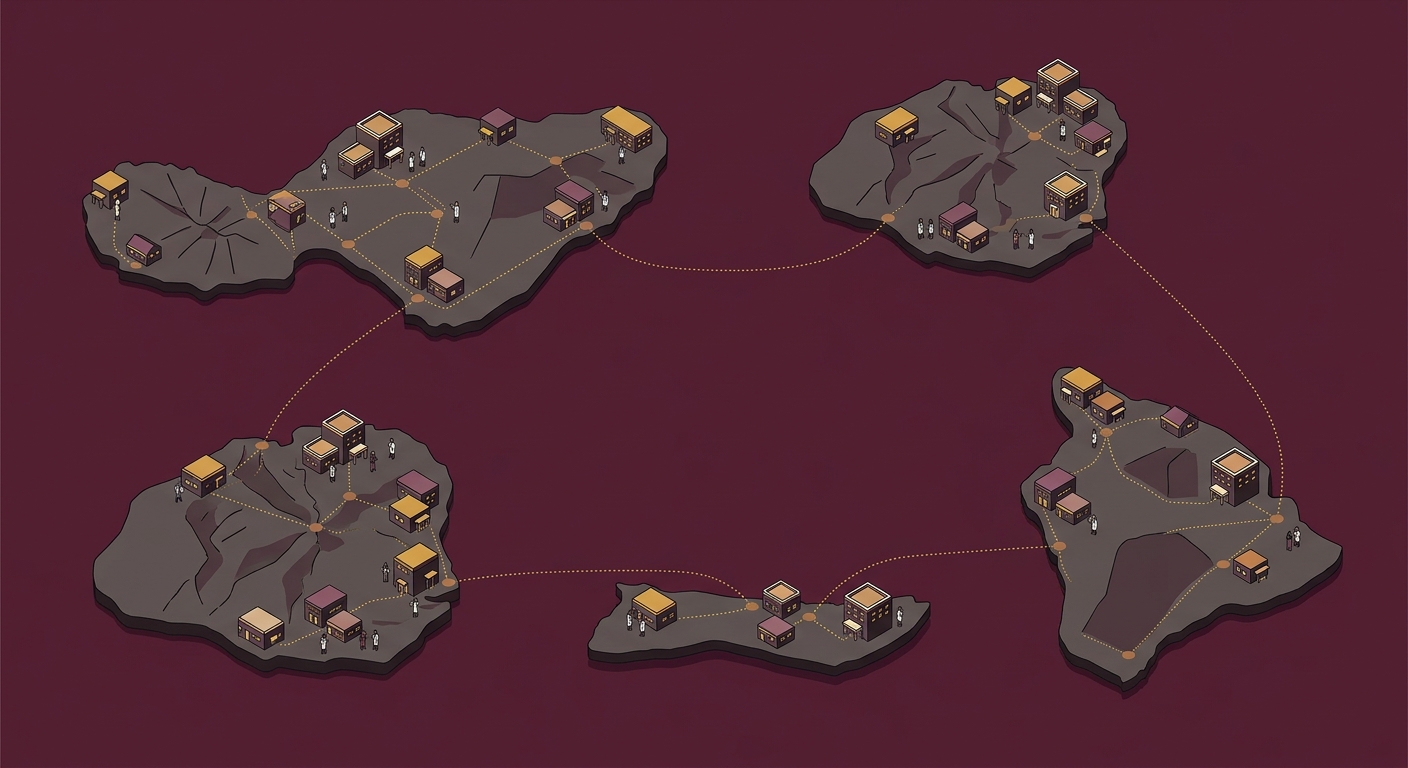
Roughly 45 to 50 California transit agencies issued procurement requests in the last 30 days for the first time in over a year, a rebound from a January 2026 trough of just 23 active institutions to a peak of 87 in February and roughly 69 so far in May. The agencies range from LA Metro, which received a fresh $104 million State of Good Repair formula award, to Plumas County Transit (population: 20,000), which hasn't needed a consultant in years. The simultaneity is not a coincidence.
Three policy clocks ran out at almost the same moment, and they caught every tier of California transit at once.
The first was federal. For most of 2025, transit agencies across the country were operating under a continuing resolution, which meant FTA formula funds were available in partial installments but full-year spending authority was frozen. That ended February 3, 2026, when the Full-Year Consolidated Appropriations Act (Public Law 119-75) was signed, and FTA posted the FY2026 formula apportionment tables on March 31. California agencies collectively hold more than $7.2 billion in active federal DOT transit obligations; the March posting gave procurement offices the certainty they needed to move. San Francisco received $37.9 million, Omnitrans $24.4 million, VTA $21.8 million, all for State of Good Repair work that had been queued but not contracted.

Source: NationGraph.
The second clock is state. Under the SB 125 accountability framework, every regional transportation planning agency in California must submit a long-term financial plan to CalSTA by June 30, 2026, laying out how it will sustain transit operations without additional one-time state funding. Those plans require updated Short Range Transit Plans as inputs, and for dozens of small and rural agencies, the last SRTP cycle is more than a year stale. The California Transportation Commission approved $1.1 billion for transit and rail at its December 2025 meeting under SB 125, with funds structured to move quickly into vehicle orders and facility upgrades rather than prolonged review. That money creates both the funding and the compliance obligation simultaneously.
The third trigger is the one that changed the stakes most unexpectedly for rural agencies. SB 79 (Wiener, signed 2025) overrides local zoning near qualifying transit stops, requiring cities to allow higher-density housing within a defined radius of stops that an agency's SRTP classifies as high-ridership. An SRTP that was written before SB 79 exists may classify stops in ways that either undersell an agency's transit value to developers or trigger unwanted density near stops the agency no longer serves at that level. For a county like Colusa or Trinity, whose transit systems are small enough that a single route classification can affect the housing entitlement of an entire small town, an outdated plan is no longer just a compliance gap. As ITS-Davis noted after the 2025 legislative session, agencies "came away with a 9th-inning budget victory" but still face a fiscal cliff, and now face land-use exposure on top of it.
The geographic spread of the current procurement wave is telling. The agencies issuing RFPs for the first time in over a year include obvious large players, VTA, LADOT, North County Transit District, Solano Transportation Authority, but the bulk of the new entrants are small and rural: Colusa County, Mariposa County, Plumas County, Trinity County, Union City, Lodi, Turlock, Tracy. These are not agencies responding to ridership growth. They are responding to a compliance calendar that is the same for every California transit operator, regardless of size.
For riders, the near-term effect is limited: most of what's being procured right now is planning work and fleet studies, not new service. Zero-emission bus feasibility studies, transit emergency operations plans, and SRTP updates dominate the current RFP list. The practical service improvements, new vehicles, upgraded facilities, tend to follow 12 to 24 months behind the planning contracts.
The more consequential question is what happens after June 30. The CalSTA financial plan deadline is a one-time filing, but the fiscal pressures behind it are not. Bay Area agencies were projecting billion-dollar deficits before SB 125 bridged them, and transit advocates have been explicit that the 2025 budget was a bridge, not a solution. If the next state budget cycle doesn't produce a longer-term revenue structure, some of the agencies hiring consultants today to update their SRTPs may face the question of whether those plans will ever be implemented.
The signal to watch: how many of the rural agencies now entering the planning market convert their SRTP updates into actual vehicle procurement within the next budget year. Federal Section 5311 rural formula funds are available for that purpose, and the FTA formula tables posted in March include rural apportionments for every California county. If the consultant contracts awarded this spring produce SRTPs in time for the June 30 CalSTA filing, and if those plans include viable capital projects, the next procurement wave should be visible in vehicle RFPs by late 2026. If they don't, the planning money will have been spent and the fiscal cliff will simply arrive later.