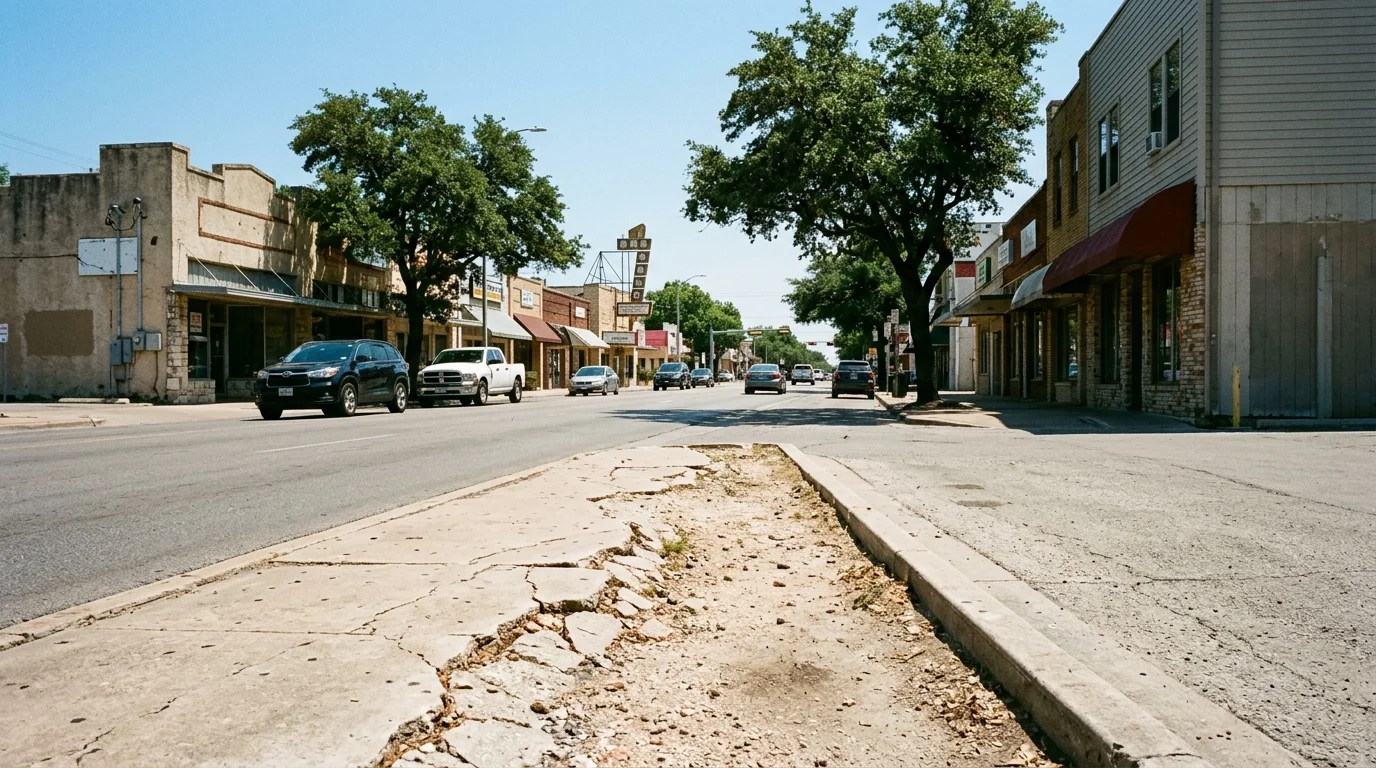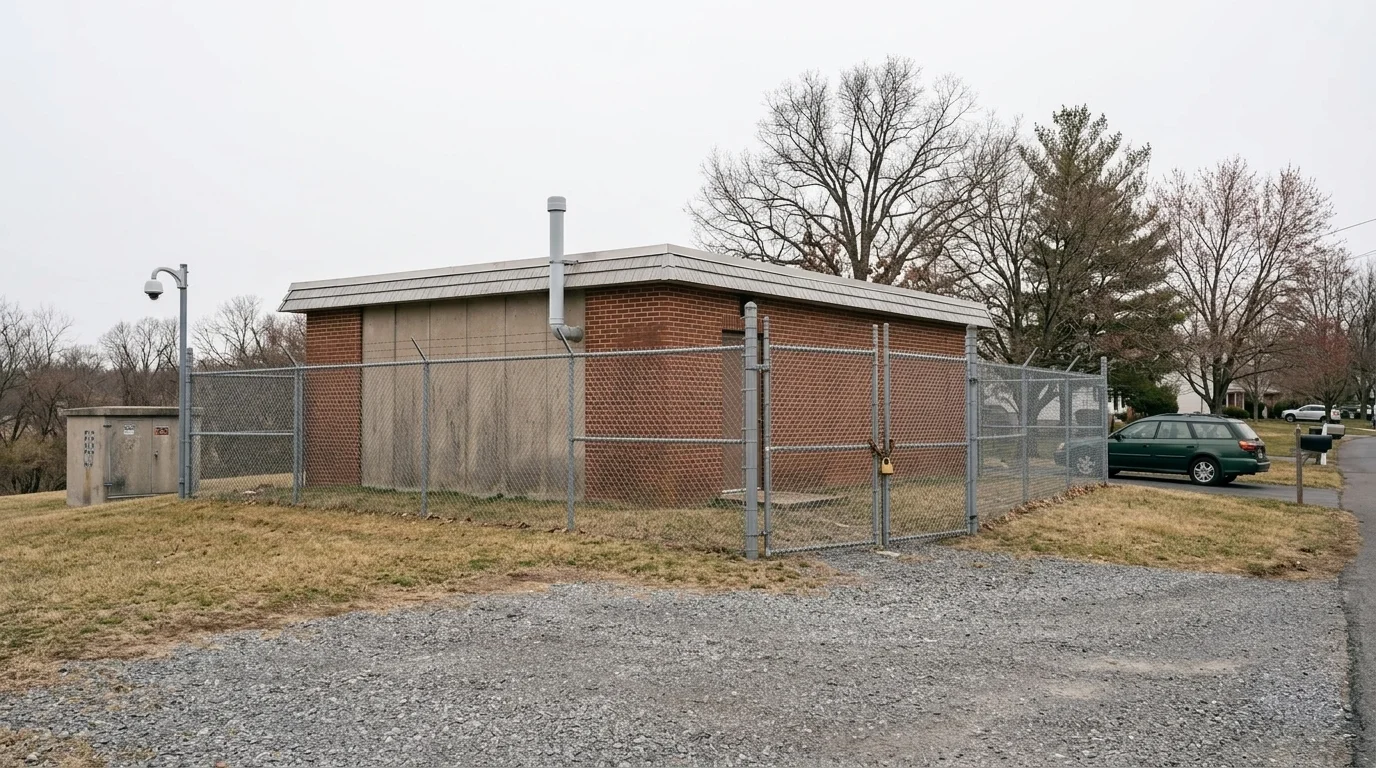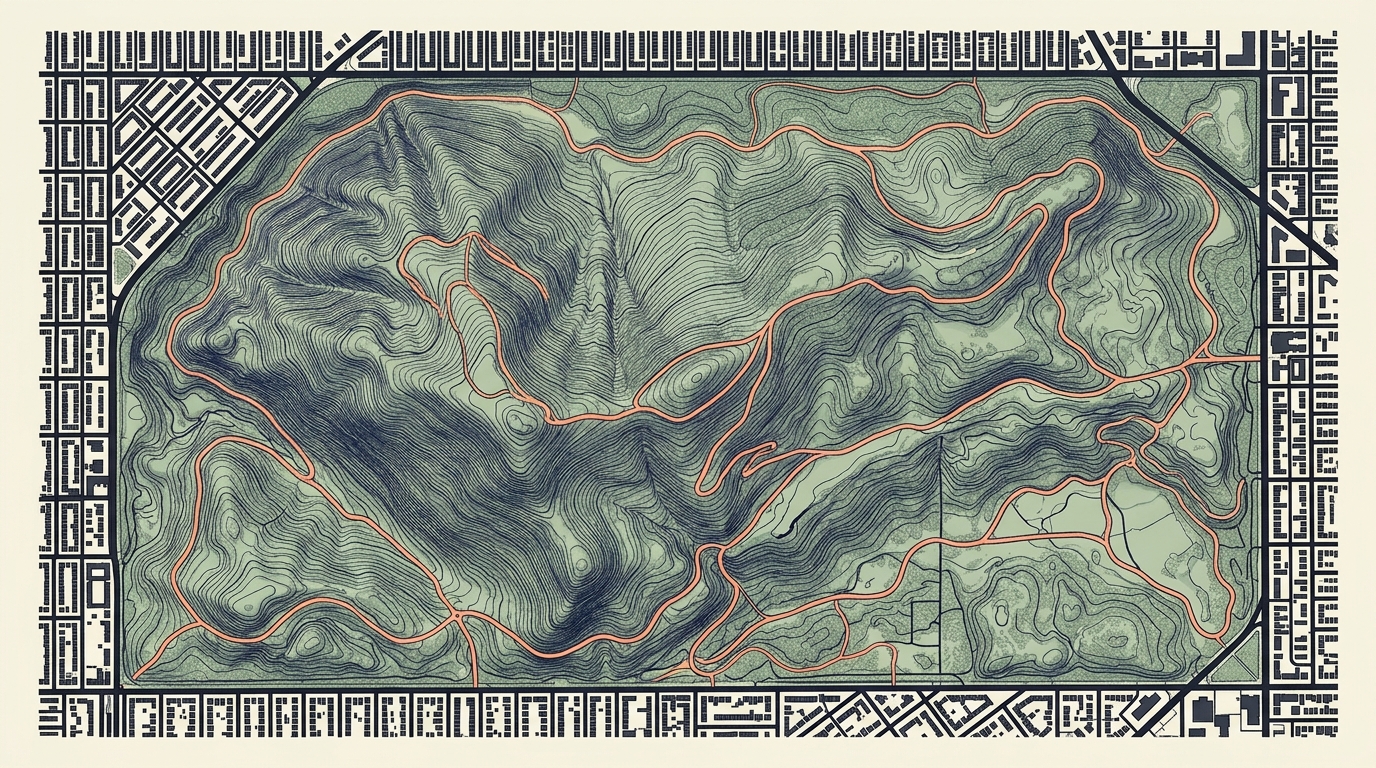
Minneapolis is moving to rehabilitate trails at Theodore Park, a neighborhood green space that reflects a broader reckoning the city's park system is facing: decades of aging infrastructure, rising visitor demand, and a promise to invest more equitably across the city.
The Minneapolis Park and Recreation Board, which operates as one of the only independently elected and independently taxing park boards in the country, is seeking a contractor for the work. Many trails across the system were built in the 1970s through 1990s and have long outlasted their intended lifespans. Freeze-thaw cycles in Minneapolis winters accelerate deterioration faster than in warmer cities, and the pandemic-era surge in outdoor recreation pushed heavily used paths even closer to the breaking point.
The Theodore Park project is part of the MPRB's 2024-2029 Capital Improvement Program, which lists trail rehabilitation as a top priority. That plan grew out of the board's 2020 "Parks for All" framework, adopted after analyses revealed that parks in north Minneapolis, home to many of the city's Black residents, had received less investment than parks in wealthier parts of the city. The framework tied capital spending to equity scores alongside physical condition assessments, reshaping how the board sequences neighborhood park renovations.
Minneapolis consistently ranks among the top five cities in the nation for park access, according to the Trust for Public Land's annual ParkScore index, a reputation built over more than a century of investment in the park system. Maintaining that standing has become harder as construction costs have climbed roughly 30 to 40 percent since before the pandemic, meaning the same budget buys significantly fewer trail miles than it did five years ago. That inflation is forcing tradeoffs throughout the capital program, even as community expectations for design quality and accessibility remain high.
ADA compliance is also a driver. Federal accessibility standards require upgrades that older trail designs don't meet, and projects like this one allow the board to bring paths up to current requirements while rebuilding the surface.
Construction on Minneapolis park projects typically runs May through October, given the short building season. If the contractor selection moves on schedule this spring, work at Theodore Park could begin this summer.