Cooper City, Florida is getting nearly $1.2 million in federal money to stop its crumbling sewer lines from leaking raw sewage into the aquifer that supplies drinking water to most of the state.
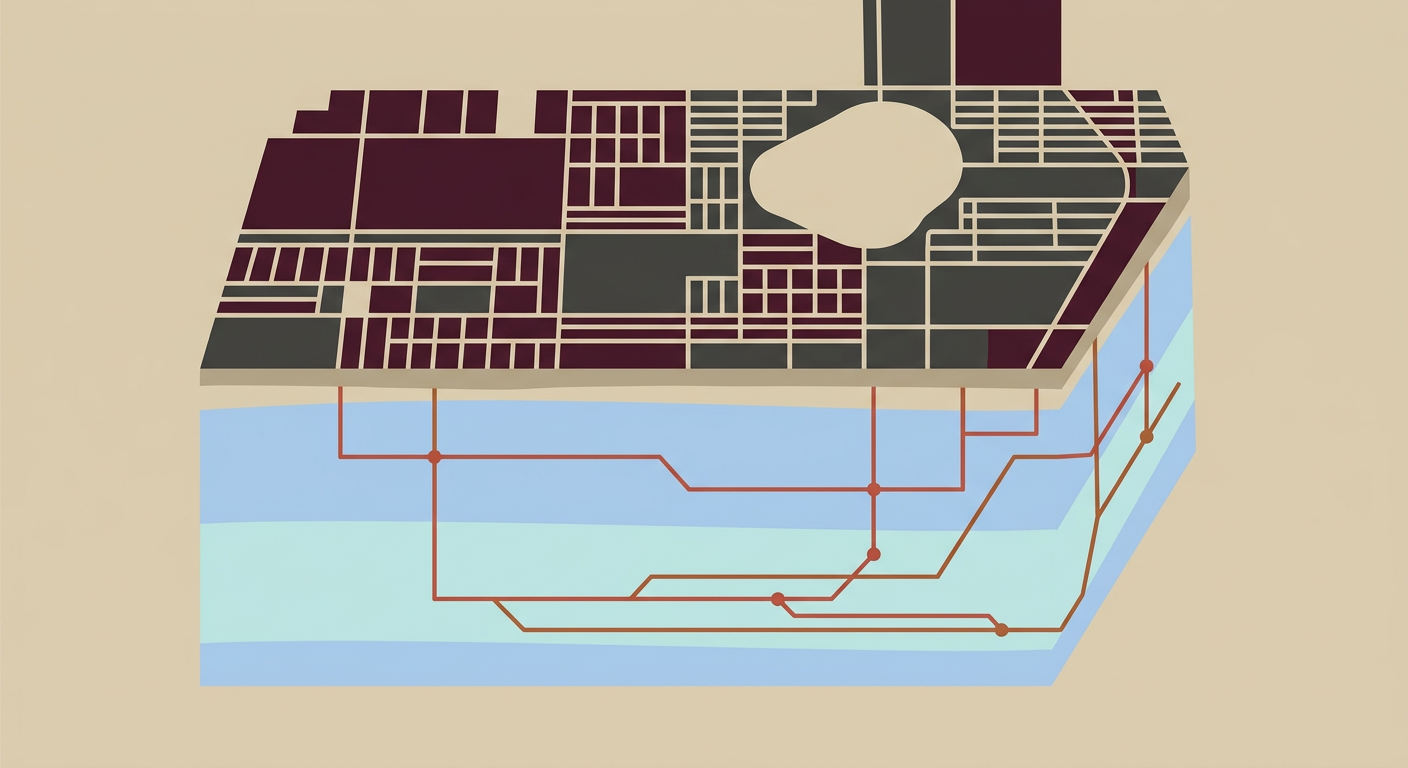
The city's gravity sewer lines, built during South Florida's post-World War II construction boom in the 1960s, have deteriorated to the point where untreated waste seeps into the exceptionally porous limestone that holds the region's groundwater. That's a particular problem in South Florida, where 90% of residents depend on aquifer water for drinking and the Biscayne Aquifer sits just below the surface, making contamination spread quickly.
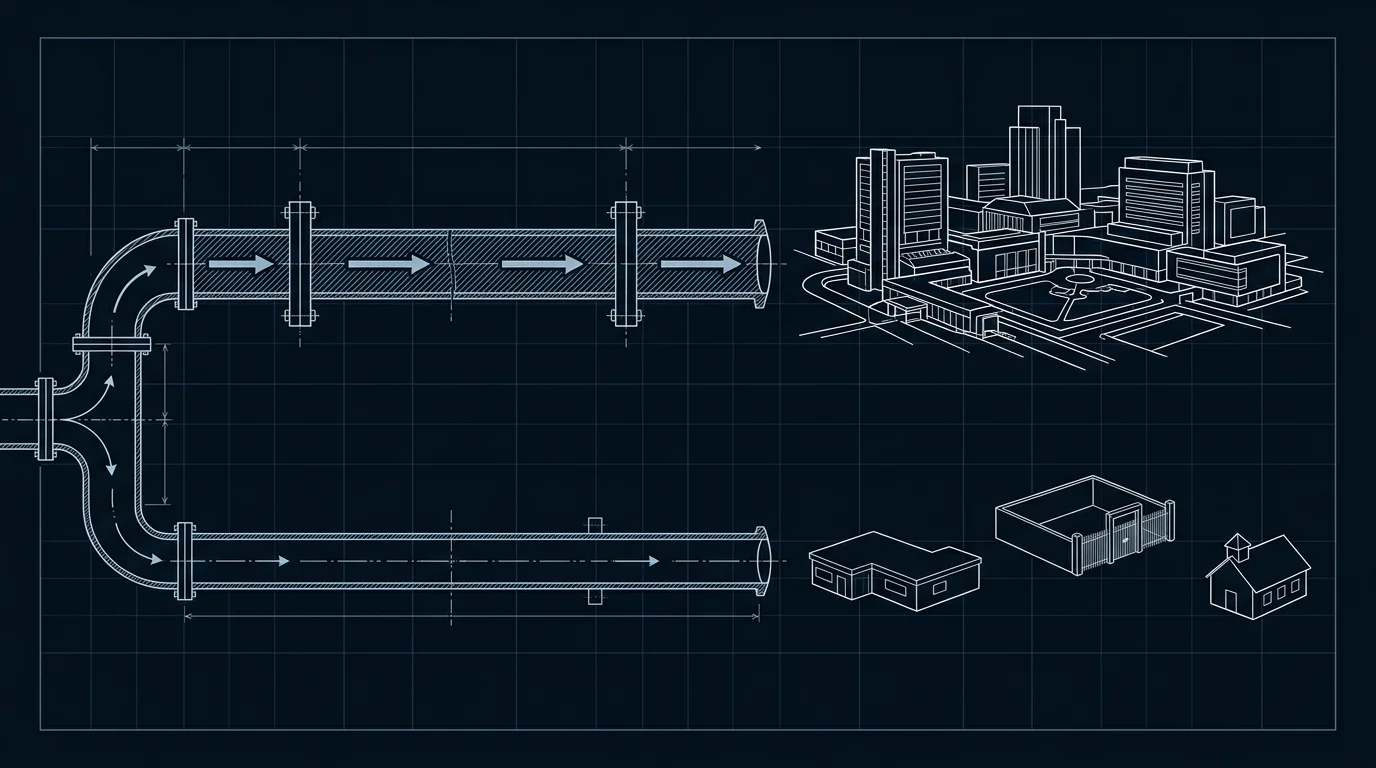
The project will rehabilitate 1.6 miles of the worst pipe using a technique that installs flexible plastic liners inside the old pipes, creating what amounts to a new pipe without digging up streets. Crews will inspect the lines with cameras, clean out grease and debris, then install the liners and reconnect household sewer connections. All repaired sections will be tested to confirm they no longer leak.
The funding comes from a congressional earmark in the 2024 federal spending bill. Congress revived earmarks in 2021 after banning them for a decade amid corruption scandals, allowing members to direct money to specific local projects. Supporters say earmarks let representatives address urgent needs in their districts. Critics worry political connections matter more than need when deciding which cities get help with failing infrastructure.
Cooper City, a suburb of roughly 36,000 west of Fort Lauderdale, has struggled to fund major repairs on its limited tax base even as Broward County's population has grown 30% since 2000, stressing systems built for far fewer people. The aging pipes also take on stormwater during South Florida's frequent flooding, overwhelming the system and causing overflows.
Work on the sewer repairs is expected to begin later this year.