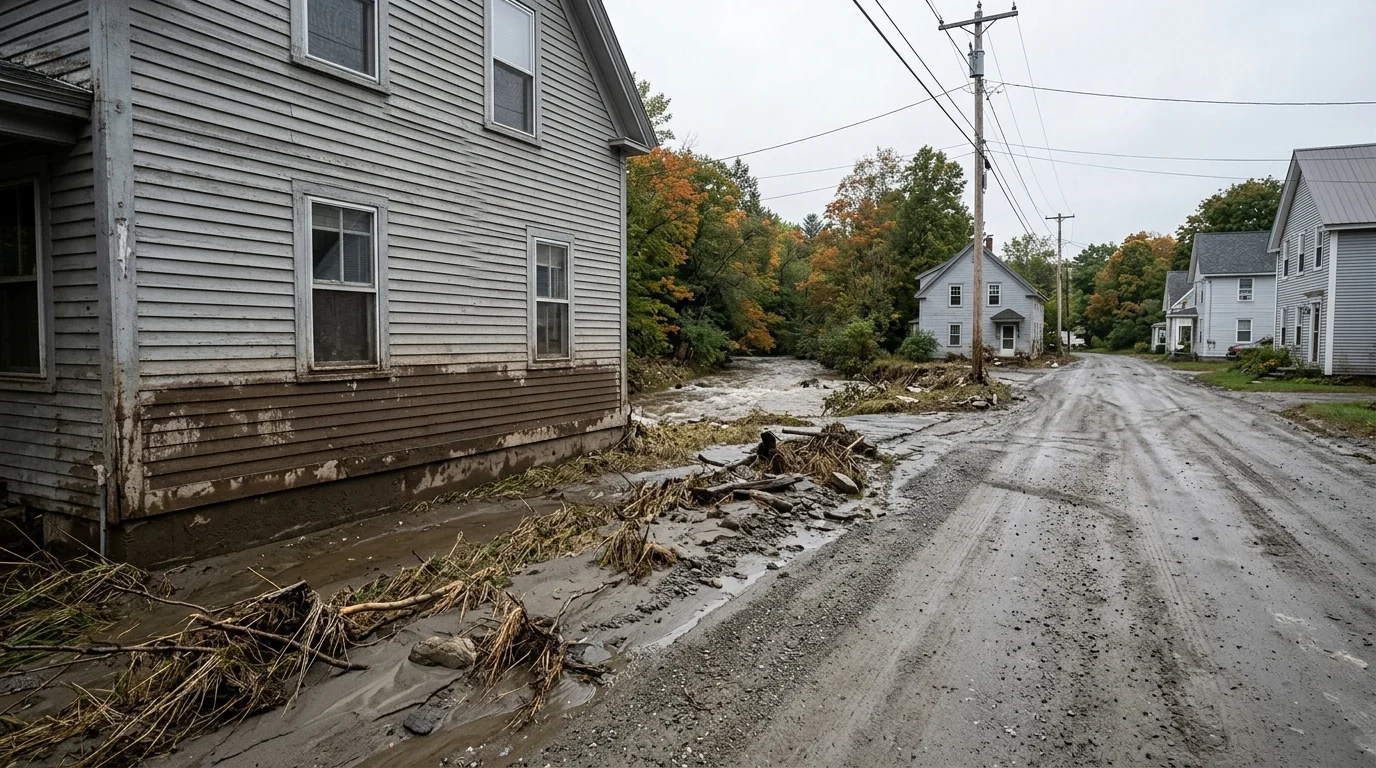
Decades after coal mining faded from Tennessee's Cumberland Plateau, the hazards it left behind remain: open mine portals, crumbling highwalls, land prone to sudden collapse, and streams running orange with acid drainage. The federal government is sending $8.6 million to help the state tackle that backlog.
The grant, administered by the Department of the Interior's Office of Surface Mining Reclamation and Enforcement, is Tennessee's latest annual installment from a 15-year, $11.3 billion national cleanup fund created by the 2021 Bipartisan Infrastructure Law. Nationally, about $725 million flows to eligible states and tribal nations each year. Tennessee's share, roughly $8.5 million annually, goes to the state's Department of Environment and Conservation to fund reclamation work in coal country.
The need is concentrated in about a dozen counties along the plateau and in far northeastern Tennessee, including Campbell, Claiborne, Scott, Morgan, and Anderson counties. These are among the poorest communities in the state, with poverty rates that often exceed 20 percent, and many have been losing population for decades as coal jobs disappeared. Tennessee's coal production has fallen from more than 10 million tons a year in the early 1970s to well under 1 million tons today, leaving behind hundreds of documented problem sites and almost none of the industry that created them.
The cleanup program traces its roots to the Surface Mining Control and Reclamation Act of 1977, which created the Abandoned Mine Land fund and charged fees on active coal production to pay for remediation. For decades, Congress left much of that money unspent, and the backlog of unfunded cleanup costs grew past $10 billion nationwide. The 2021 infrastructure law represented a major catch-up effort.
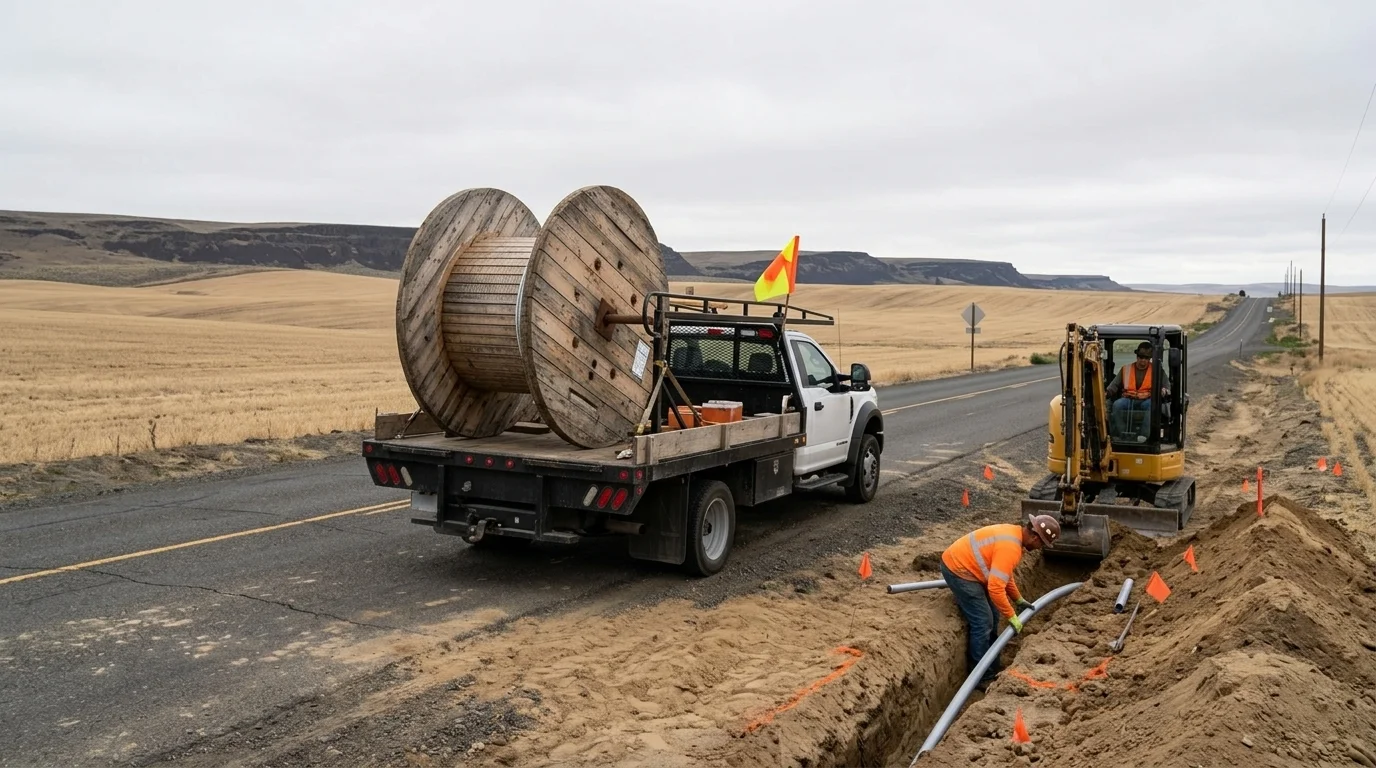
Funds can be used for a range of hazards: sealing open mine portals, stabilizing waste piles, repairing water supplies contaminated by legacy mining, and addressing acid mine drainage that has rendered some streams biologically dead. The law also encourages states to hire current and former coal workers for reclamation projects, framing cleanup as both an environmental and an economic opportunity for communities still absorbing the industry's departure.
Whether that promise translates into local jobs in practice has been a point of scrutiny nationally. Federal watchdogs have also examined whether states have enough capacity to spend the accelerated funding quickly and effectively. Tennessee's program has not faced major public controversy, but the question of pace and impact will be tested as annual grants continue through the late 2030s.