The Boston region is getting $3.8 million from the federal government to redesign some of its most dangerous streets, using temporary fixes that can be tested and adjusted before anything becomes permanent.
The Boston Region Metropolitan Planning Organization will work with cities and towns across the metro area to identify high-crash intersections and corridors, then install demonstration projects: painted crosswalks, plastic bollards, planters that narrow lanes and force drivers to slow down. If they work, they become permanent infrastructure. If they don't, they're pulled out and redesigned.
The approach reflects lessons from other cities where expensive street redesigns sparked backlash. New York and San Francisco pioneered the model of testing changes with paint and cheap materials before committing millions to concrete curbs and raised bike lanes. Boston has tried it on streets like Columbus Avenue and Boylston Street with mixed results — some neighbors embraced calmer streets, others complained about lost parking and longer commutes.
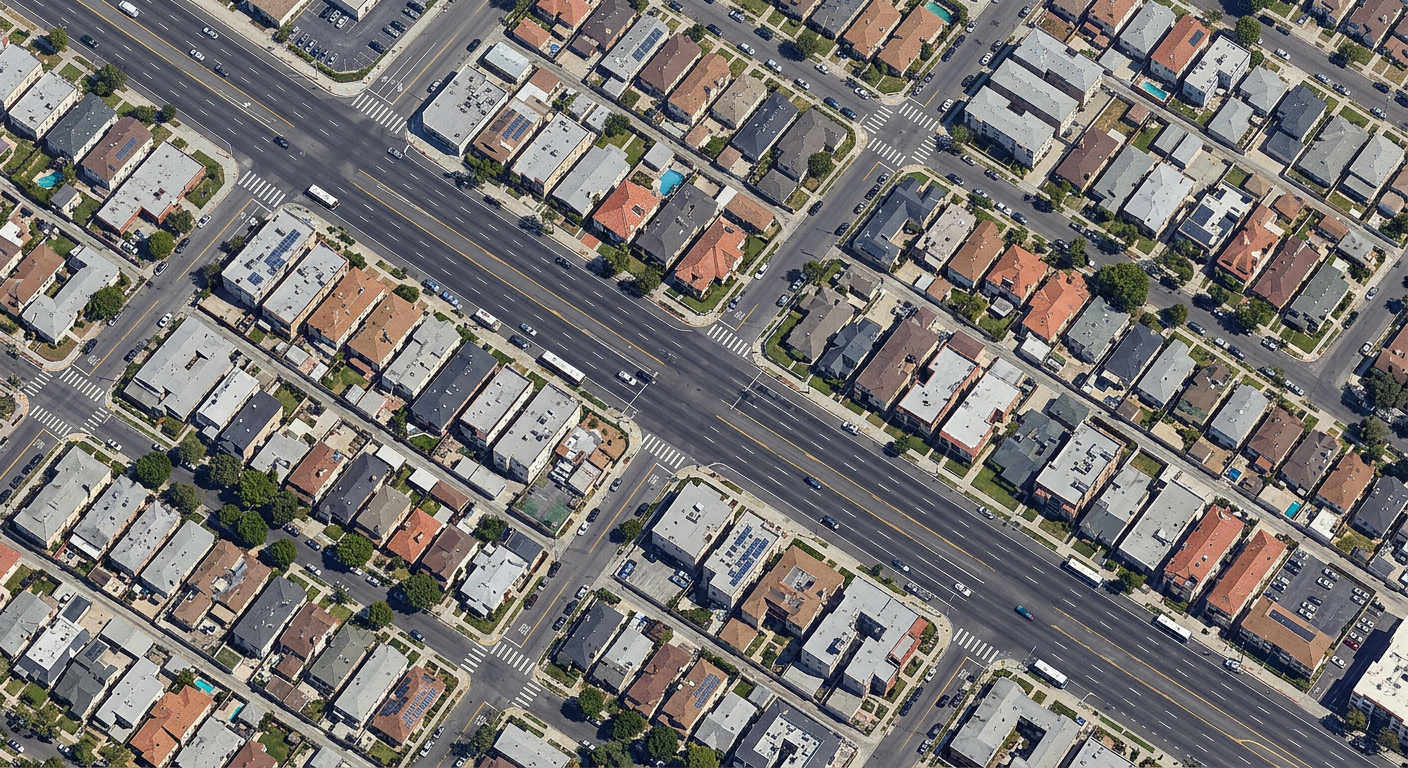
The likely targets are arterial roads carved through dense neighborhoods in the 1950s and 60s: Massachusetts Avenue through Cambridge and Arlington, Route 1 in Revere, Blue Hill Avenue cutting through Roxbury and Mattapan. These corridors were widened for suburban-speed traffic but still run past apartment buildings, bus stops, and schools. Federal environmental justice requirements push the money toward lower-income communities and communities of color that bore the brunt of those highway-era decisions.
Traffic deaths spiked during COVID despite fewer cars on the road. Pedestrian deaths hit a 40-year high nationally. The grant is part of a $5 billion federal program created in 2021 specifically to get cities redesigning streets around the assumption that drivers will make mistakes and infrastructure should protect people when they do.
The MPO will start planning this spring, with designs and community input sessions through the summer. Demonstration projects could start appearing on streets by late 2026.