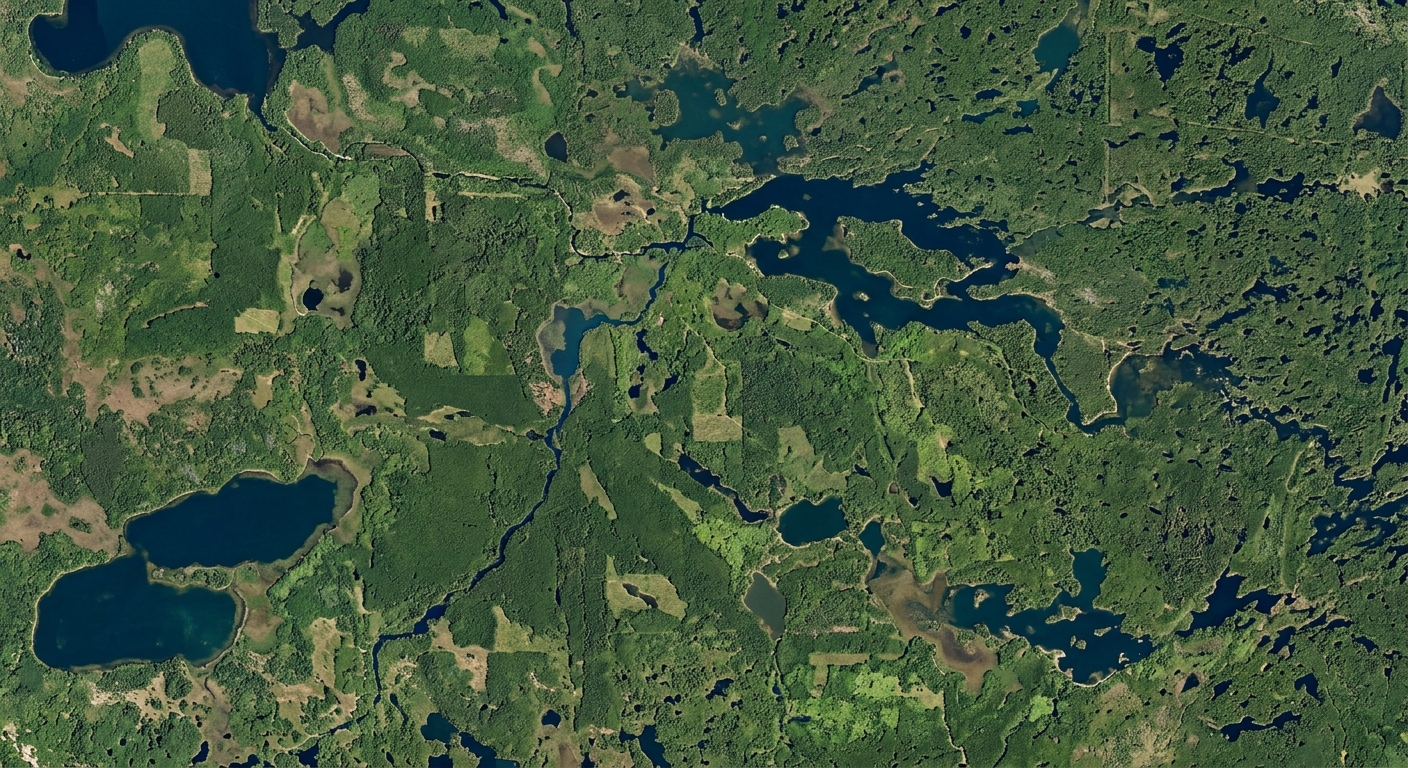
Leech Lake Tribal College in Cass Lake, Minnesota is expanding a program to train the next generation of Native American forest scientists, backed by a $57,437 grant from the U.S. Department of Agriculture.
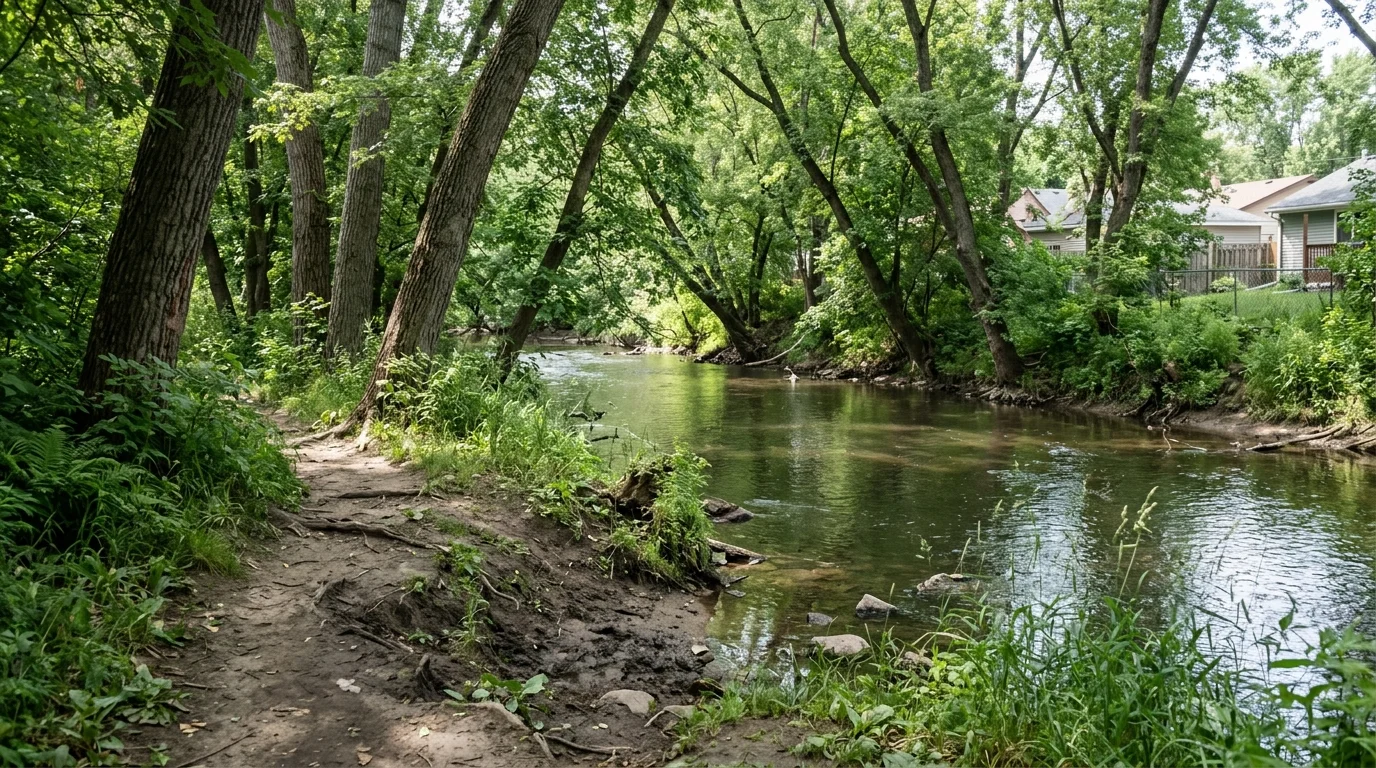
The funding supports student researchers working across the Leech Lake Reservation and the Chippewa National Forest on problems with direct consequences for tribal communities: invasive species choking wild rice beds, forest health in fire-dependent ecosystems, and water quality in local watersheds.
Wild rice, known in Ojibwe as manoomin, holds deep cultural and nutritional significance for the Leech Lake Band of Ojibwe. But Eurasian milfoil and other invasive aquatic plants have damaged those beds, and the college's researchers are testing methods that combine invasive removal with active wild rice planting to help restore them.
The grant also funds two new research directions. One focuses on microplastic contamination in forest soils, watersheds, and wildlife, an emerging concern with little data in northern Minnesota's lake-heavy landscape. The other expands into wildlife biology, examining how native pollinators interact with traditional and modern food crops and studying how prescribed burns affect small mammal populations.
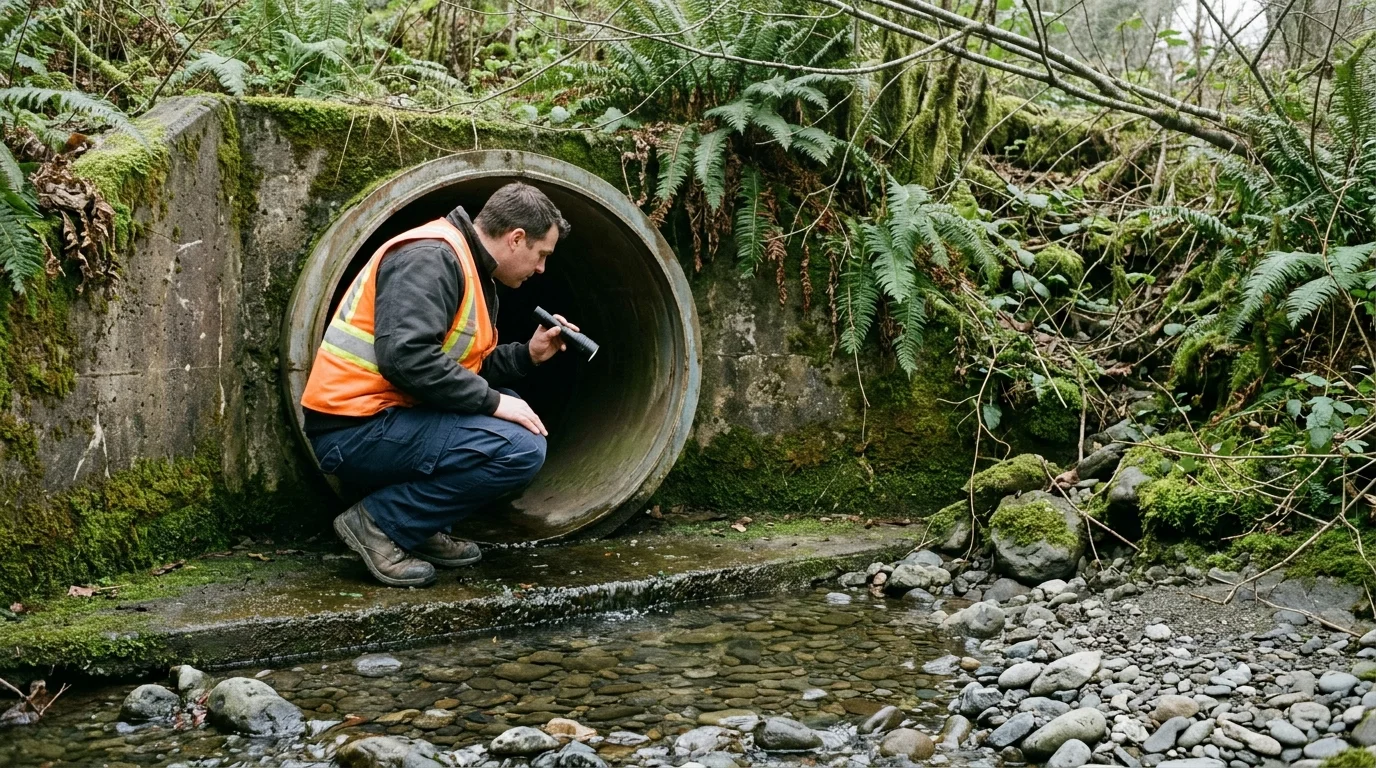
Students placed in internships with the Leech Lake Division of Resource Management and the USDA Forest Service will handle field data collection, analysis, and community outreach, sharing results directly with local harvesters, elders, and land managers. The college's goal is both practical and long-term: generate better ecological data for partner agencies while drawing more Native students into natural resource careers.
The award is part of the USDA's Cooperative Forestry Research program, which funds research at institutions serving underrepresented communities. Student presentations at scientific conferences are among the expected outcomes, along with research intended to directly shape how tribal and federal managers make land decisions going forward.