Cabarrus County, North Carolina is moving forward with a new elementary school in its fast-growing northwest corridor, where surging residential development has pushed existing campuses to their limits and left some classrooms in temporary trailers.
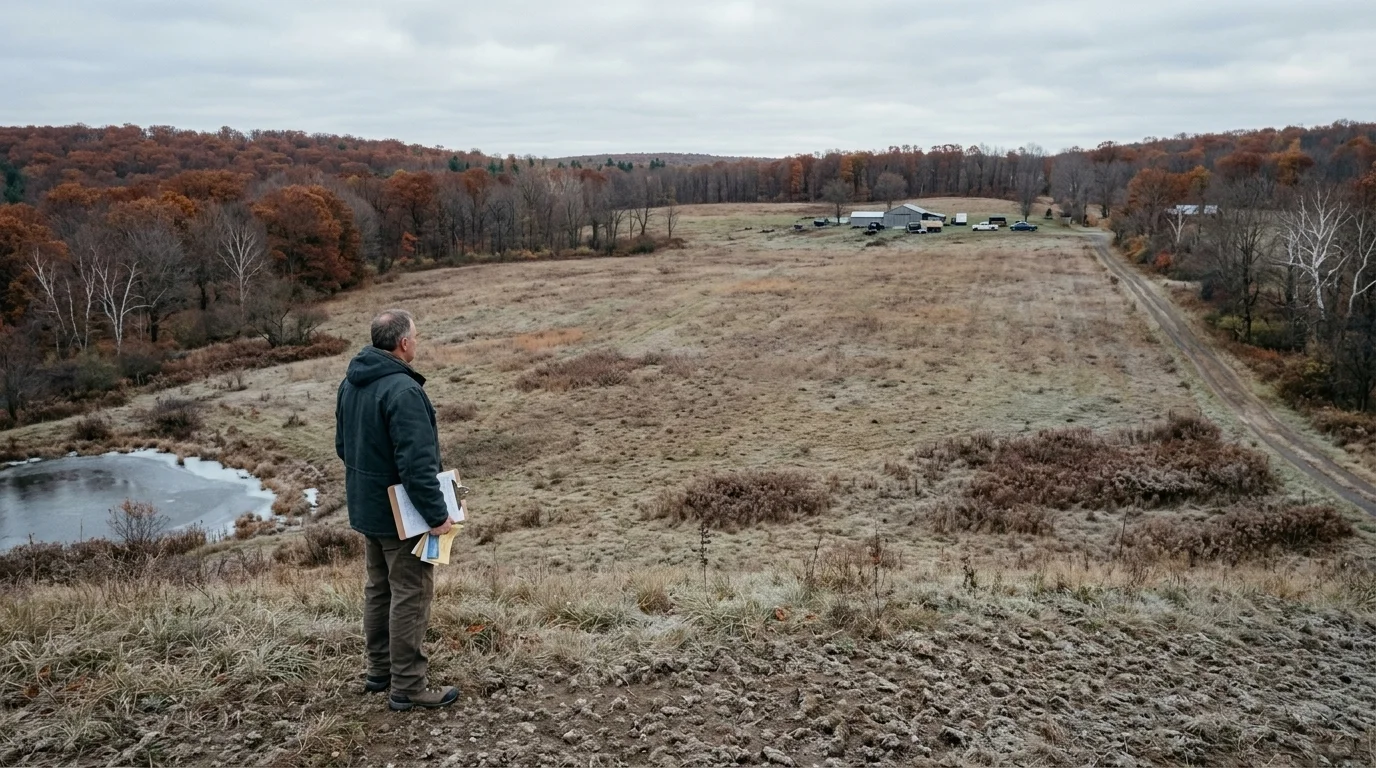
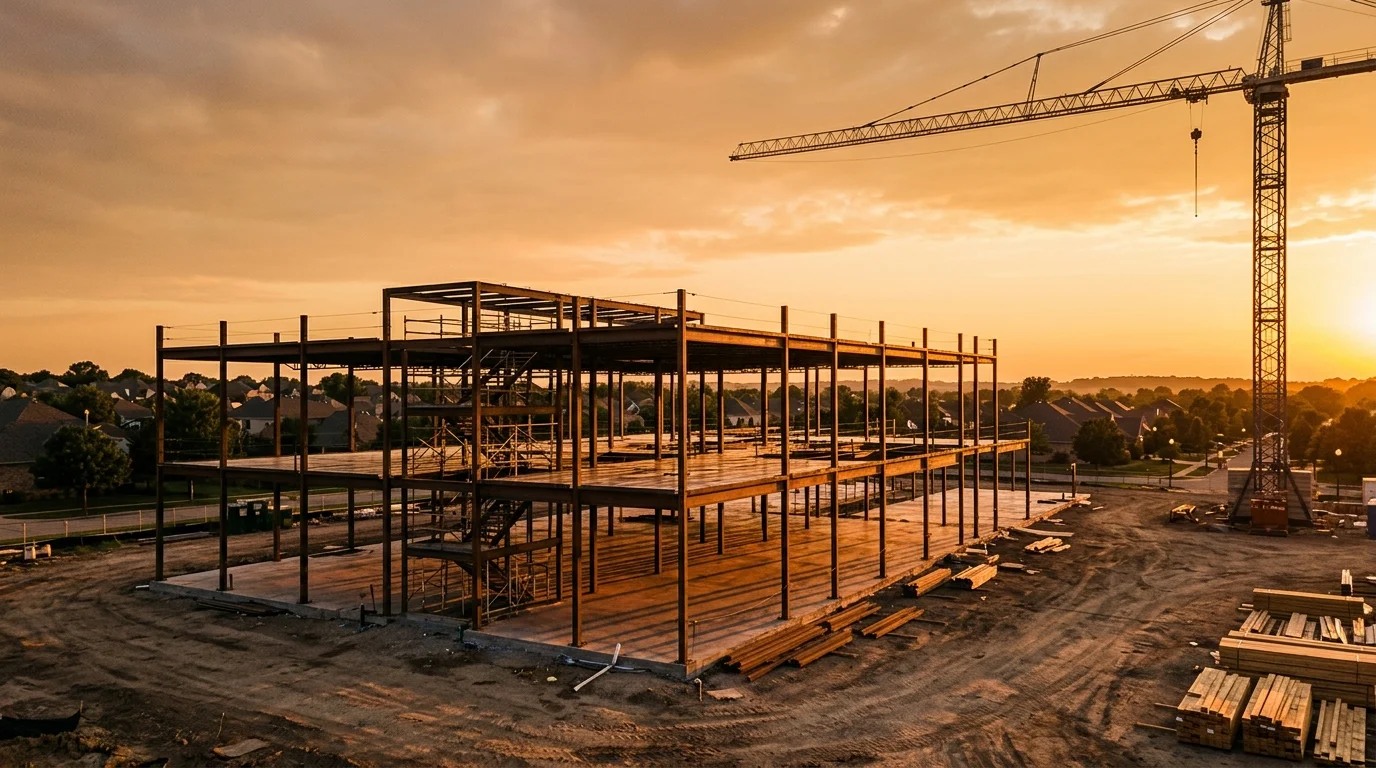
The new building will span roughly 130,000 square feet, with two-story classroom wings rising above single-story common areas. At that scale, the school is designed to serve an estimated 800 to 1,000 or more students, placing it among the larger elementary campuses in the state. The two-story design reflects a practical constraint: the site is approximately 3 acres, a tight footprint for an elementary school in a part of the county where buildable land has grown scarce as subdivisions have filled in around Harrisburg and western Concord.
Cabarrus County Schools has been one of North Carolina's fastest-growing districts for more than a decade, expanding from roughly 27,000 students in the early 2010s to over 35,000 by the mid-2020s. That growth mirrors a broader population surge in the county, which has more than doubled since 2000 as families have moved northeast out of Charlotte seeking lower housing costs along the I-85 corridor.
The district's response has relied heavily on bond financing. Voters approved a $349 million bond in November 2020, even amid pandemic uncertainty, earmarking funds for new schools and renovations. The northwest elementary school is part of that capital program. Under North Carolina law, school construction is funded by counties rather than the state, meaning the school board depends on the county commission to release bond proceeds, a dynamic that has occasionally created tension over the pace of building.
The Cabarrus County School Board has posted bid packages for the project covering every major construction trade, from concrete and structural steel to HVAC, electrical, and food service equipment. That approach is consistent with North Carolina's public construction requirements, which allow school boards to bid trades separately rather than through a single general contractor.
Construction cost inflation has complicated school building programs across North Carolina in recent years, with some districts seeing bids come in well above initial estimates. Whether this project stays within its budget will be an early test of how the county's bond dollars are holding up against continued market pressures. No completion date has been announced.