Montpelier, Vermont is preparing to break ground on a new recreation path along Barre Street, one of the busiest roads in the nation's smallest state capital, a project that would reshape how residents and commuters move through the city without a car.
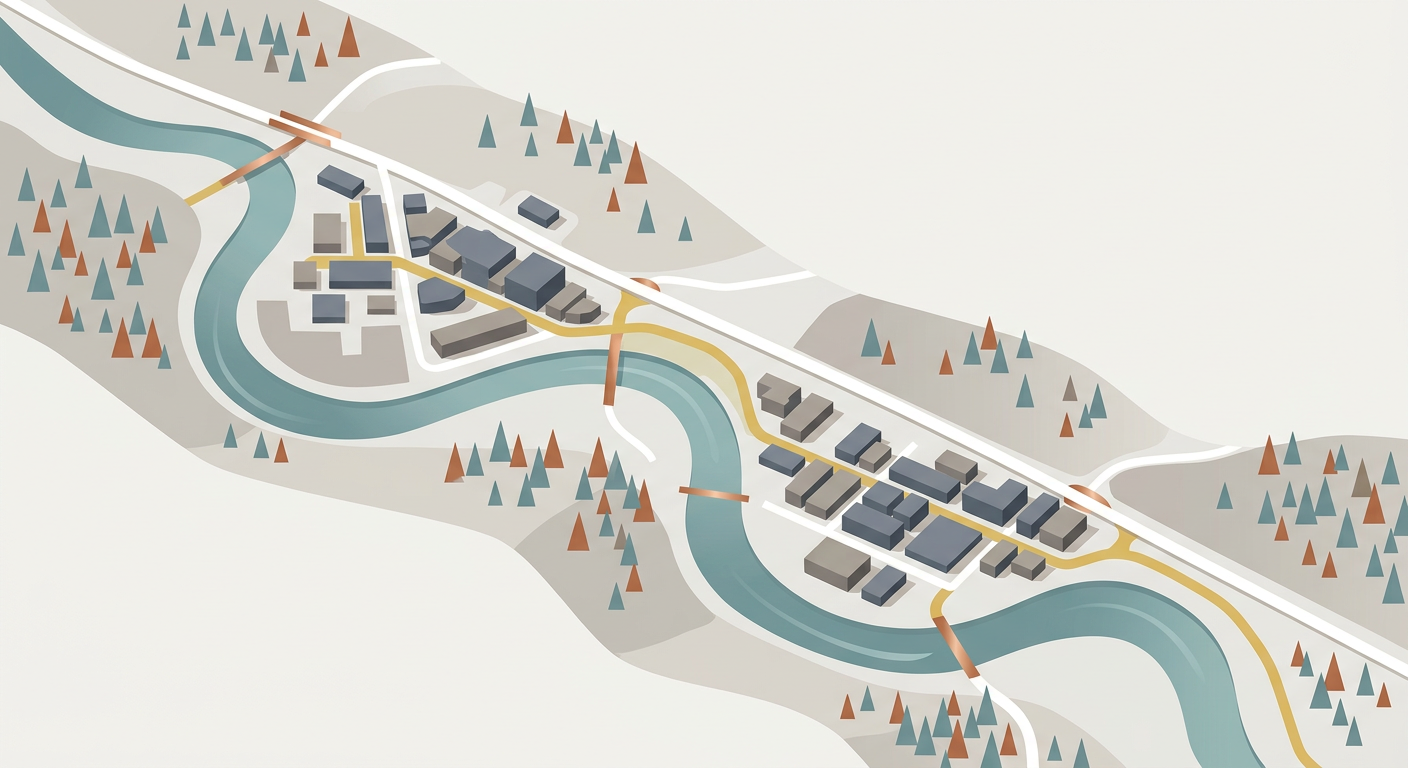
The city is now seeking construction contractors for the project, which has been working its way through the federal transportation pipeline since roughly 2020. Barre Street doubles as Route 302, the primary artery connecting Montpelier's compact downtown to the neighboring city of Barre about six miles southeast. Despite heavy foot and vehicle traffic, the corridor has long lacked dedicated infrastructure for pedestrians and cyclists.
The path is funded through the federal Surface Transportation Program's bicycle and pedestrian set-aside, a funding stream that grew significantly under the 2021 Bipartisan Infrastructure Law. For a city of just 8,500 residents with a limited tax base, federal dollars are essential to projects of this scale.
Montpelier already has segments of recreation path along the Winooski River and North Branch, but the Barre Street corridor represents a critical gap. Filling it would link the downtown core toward Barre (population roughly 9,000), a long-standing regional planning goal. The two cities function as a combined economic area, and thousands of daily trips between them are made almost entirely by car.
The project takes on added weight after the catastrophic floods of July 2023, which displaced hundreds of residents and businesses and forced Montpelier to rethink its infrastructure priorities from the ground up. Barre Street runs parallel to the Stevens Branch and Winooski River system, the same waterways that overwhelmed the city. Post-flood rebuilding has pushed multimodal and climate-resilient design higher on the city's agenda.
Vermont's 2022 Climate Action Plan set a goal of reducing vehicle miles traveled by 20% before 2030, adding state-level urgency to local projects that offer alternatives to driving. Montpelier, politically progressive and a leader on climate policy in Vermont, has adopted a Complete Streets policy aimed at making roads safer for all users.
With design work substantially complete and the project now in the procurement phase, construction could begin later this year. The city's Transportation Infrastructure Committee and City Council have been actively discussing the path as part of broader post-flood rebuilding priorities.