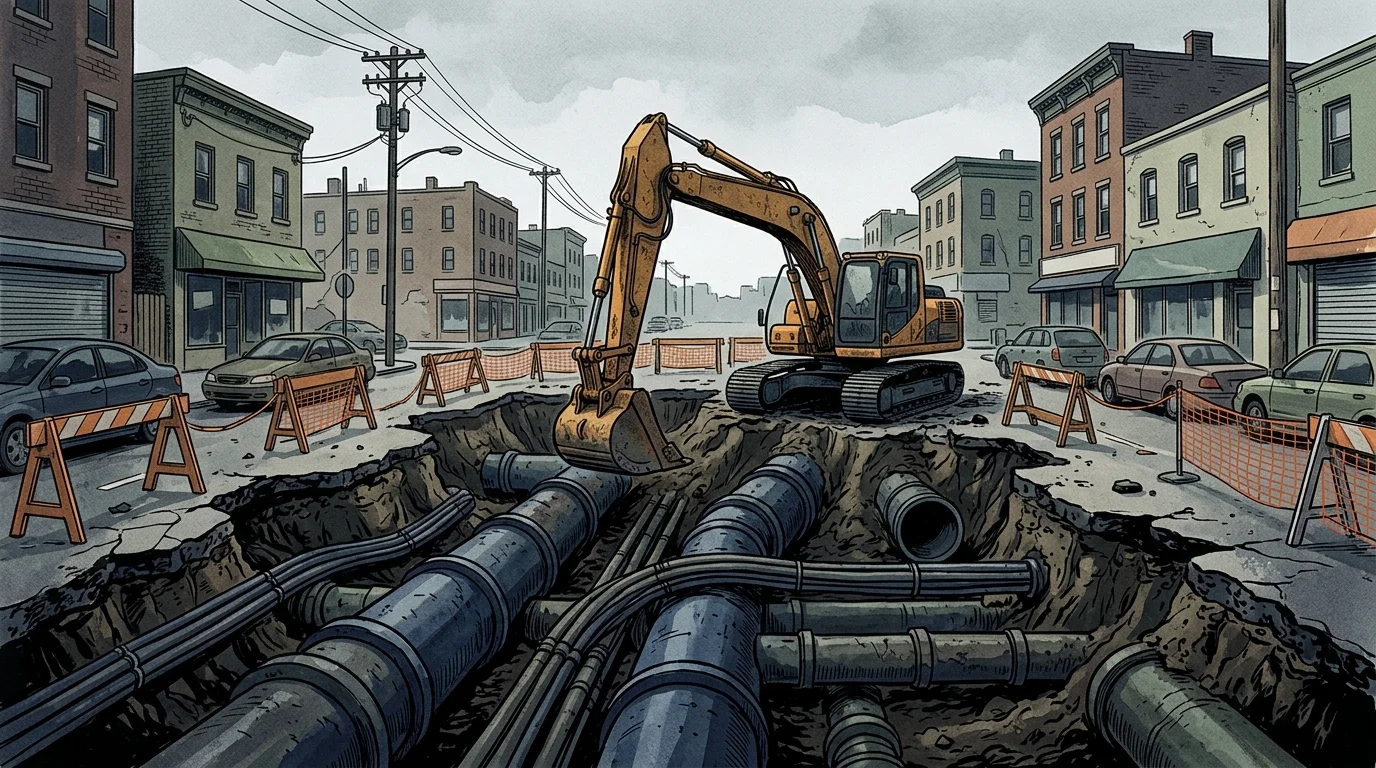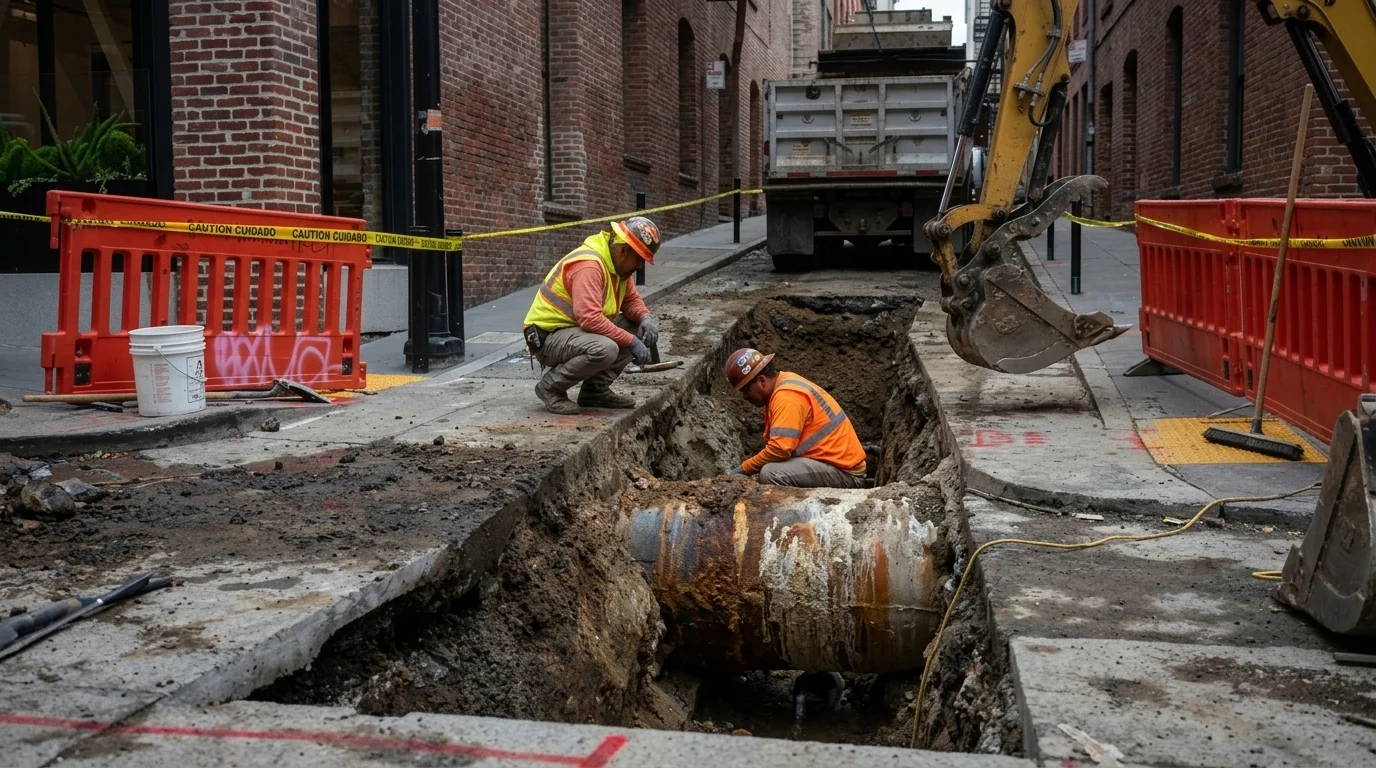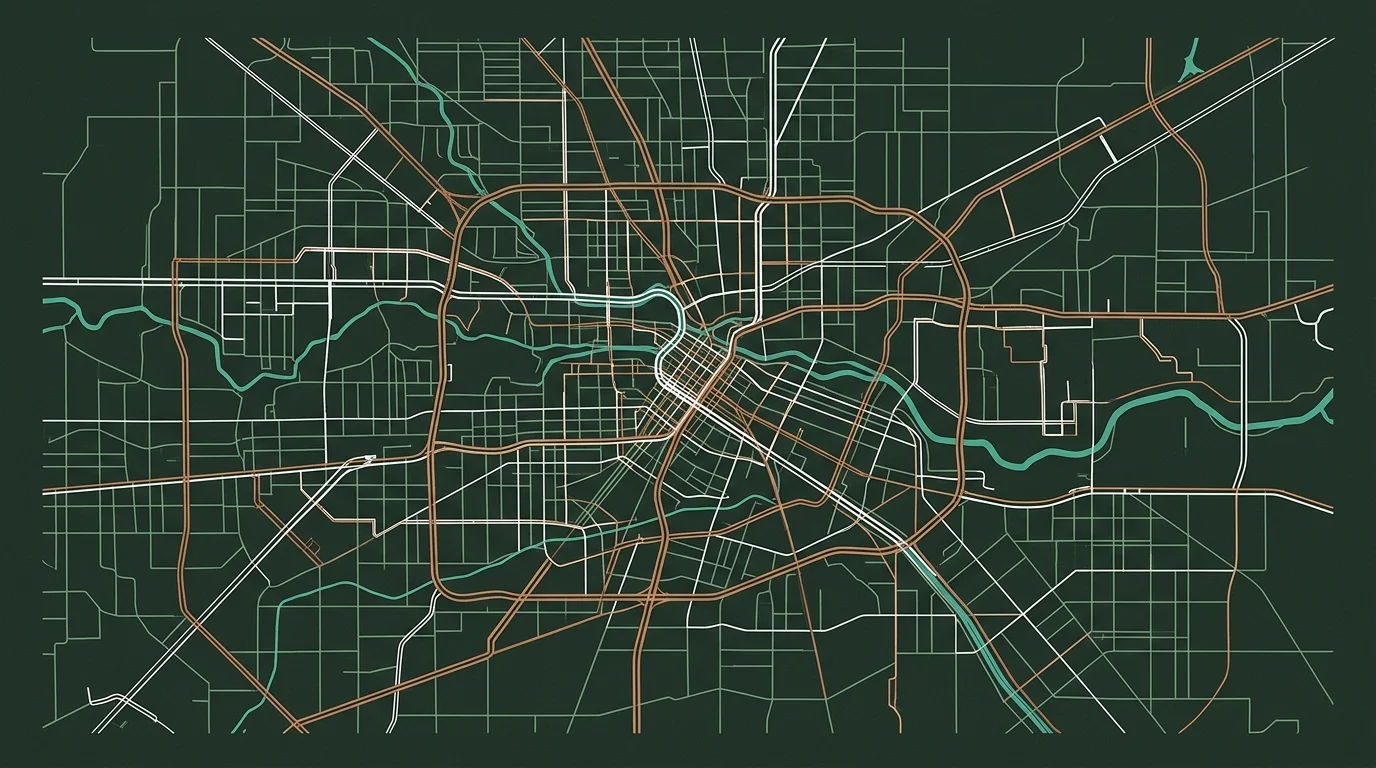
Houston is pushing forward with repairs to another section of its crumbling sewer system, hiring contractors to rehabilitate aging wastewater pipes in Basin AS077 as the city races to meet federal environmental mandates that have hung over it for years.
The work is part of Houston's compliance with a 2019 federal consent decree negotiated with the U.S. Department of Justice and EPA, which requires the city to spend billions of dollars over roughly 15 years to stop chronic sewage overflows into local waterways. Houston operates one of the largest wastewater collection systems in the country, with around 6,700 miles of sewer lines serving more than 2.5 million residents. Much of that network was built during the city's mid-20th century boom and is now well past its intended lifespan.
The consequences of that neglect have been visible in Houston's bayous for years. Deteriorating pipes allow stormwater to flood the sewer system and raw sewage to escape into waterways, a problem worsened by Houston's flat topography, expansive clay soils that shift and crack pipes, and intense rainfall that averages 50 inches a year. Hurricane Harvey in 2017 accelerated the damage significantly.
The Basin AS077 contract involves lining and repairing sewer pipes, rehabilitating manholes, and reconnecting service laterals. The specific dollar value for this contract isn't stated in the available records, but projects of this type under the consent decree program have typically run into the millions. The RFP was modified in late April 2026, suggesting the scope or terms were revised after the original posting, though Houston Public Works has not publicly detailed what changed.
The cost of the broader program falls largely on Houston ratepayers. The city approved significant water and sewer rate increases in 2022 and 2023 to fund consent decree work, a politically contentious move in a city where roughly one in five residents lives in poverty. Environmental advocates have argued the pace of rehabilitation remains too slow, pointing to ongoing sewage spills into Buffalo Bayou and other waterways as evidence.
Houston is not alone. Cities including Baltimore, Atlanta, and New Orleans are working through similar federally mandated sewer overhauls, all grappling with the same reality: decades of underinvestment in underground infrastructure that the American Society of Civil Engineers has graded D+ nationally. Federal funding from the 2021 Bipartisan Infrastructure Law, which included $11.7 billion for clean water programs, has provided some relief, though the scale of need far exceeds available grants.
How quickly Houston can move through its remaining basins will determine whether the city meets its consent decree milestones and, more immediately, whether its bayous continue to absorb raw sewage in the years ahead.