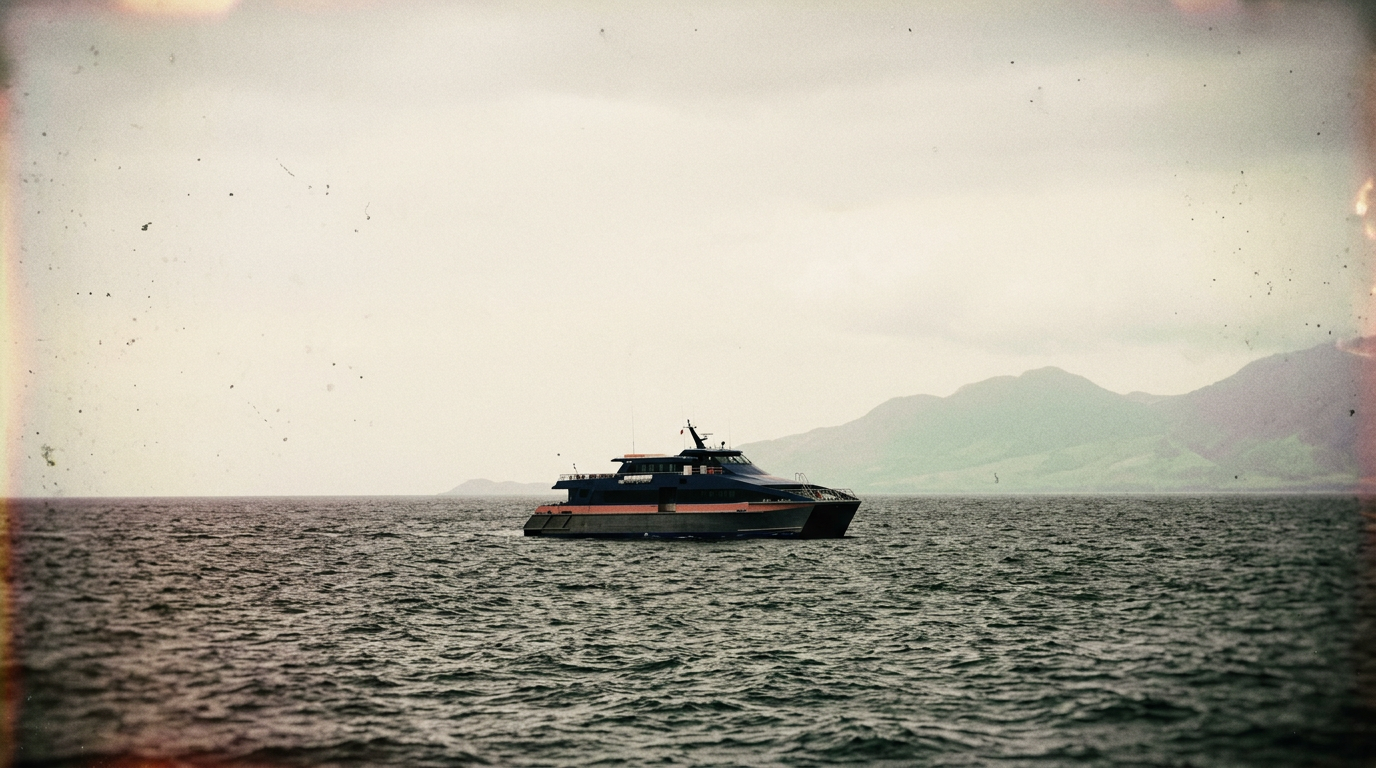
Maui County, Hawaii is taking the first step toward bringing back ferry service between its islands, commissioning an environmental study for routes that could connect Maui, Molokai, and Lanai.
The move comes 17 years after the Hawaii Superferry collapsed under the weight of environmental lawsuits. That $300 million private venture operated high-speed catamarans for just two years before the state Supreme Court ruled in 2007 that it had illegally skipped environmental review. Concerns about invasive species, whale migration disruption, and development pressure from environmental groups and Native Hawaiian activists ultimately shut it down in 2009.
This time, Maui County is starting with the environmental study rather than trying to bypass it. The county posted a request for proposals on April 9 seeking contractors to assess potential impacts under Hawaii's Environmental Policy Act, the same law the Superferry tried to avoid.
Without ferry service, residents of Molokai and Lanai rely entirely on expensive flights to reach Maui for medical care, work, or family. Hawaiian Airlines controls roughly 90% of inter-island travel, with 30-minute flights often costing $200 to $400. Molokai, population 7,500, has particularly limited air service and struggles economically.
The August 2023 Lahaina wildfire, which killed 102 people and destroyed much of the historic town, renewed discussion about emergency evacuation routes and transportation alternatives. The county has not disclosed a budget for the study or potential ferry operations.
Environmental advocates who successfully fought the Superferry remain active in Maui County politics. Any ferry proposal will need to address concerns about humpback whales, endangered monk seals, and coral reef protection that have shaped local environmental battles for two decades.