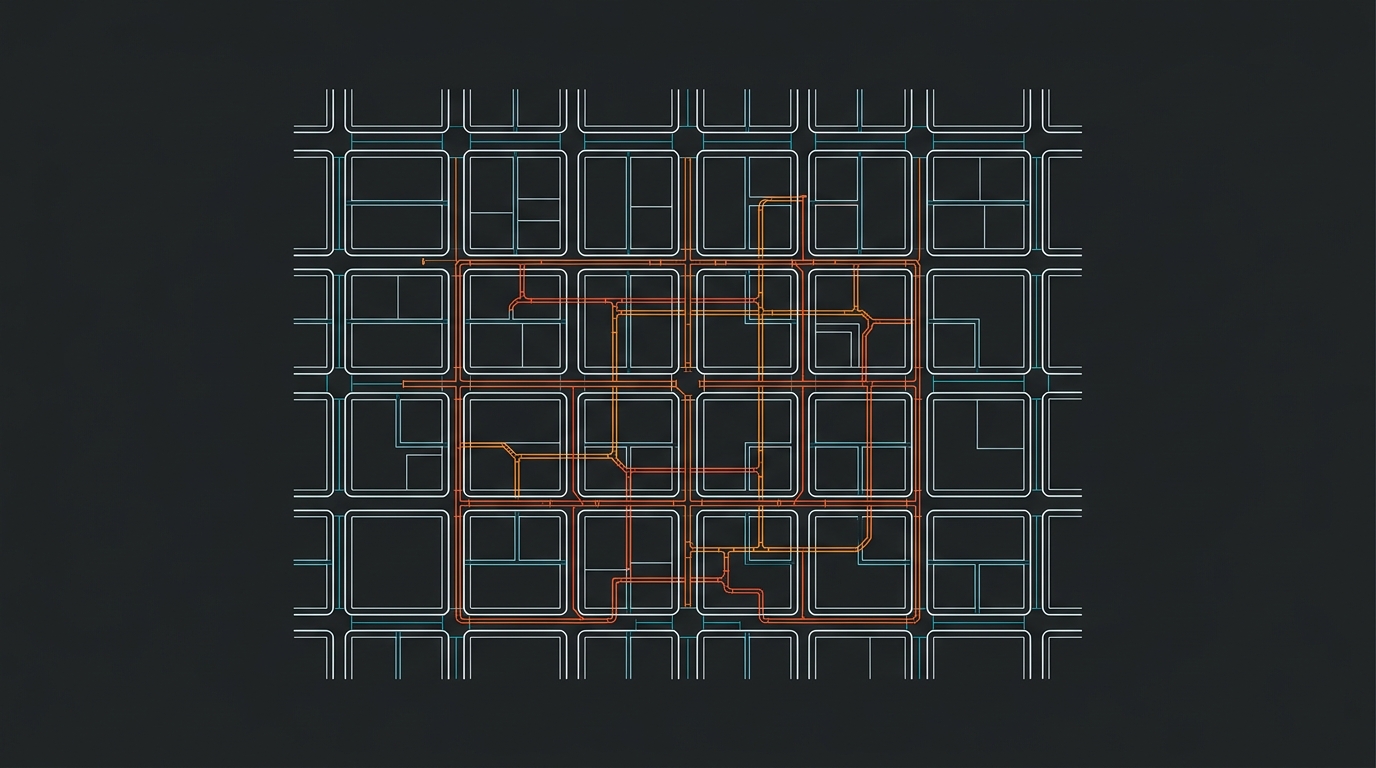
Saskatoon is preparing to overhaul the underground pipes beneath roughly 12 blocks of its downtown core, tackling water mains and storm sewers that have been deteriorating for decades under one of Canada's harshest climates.
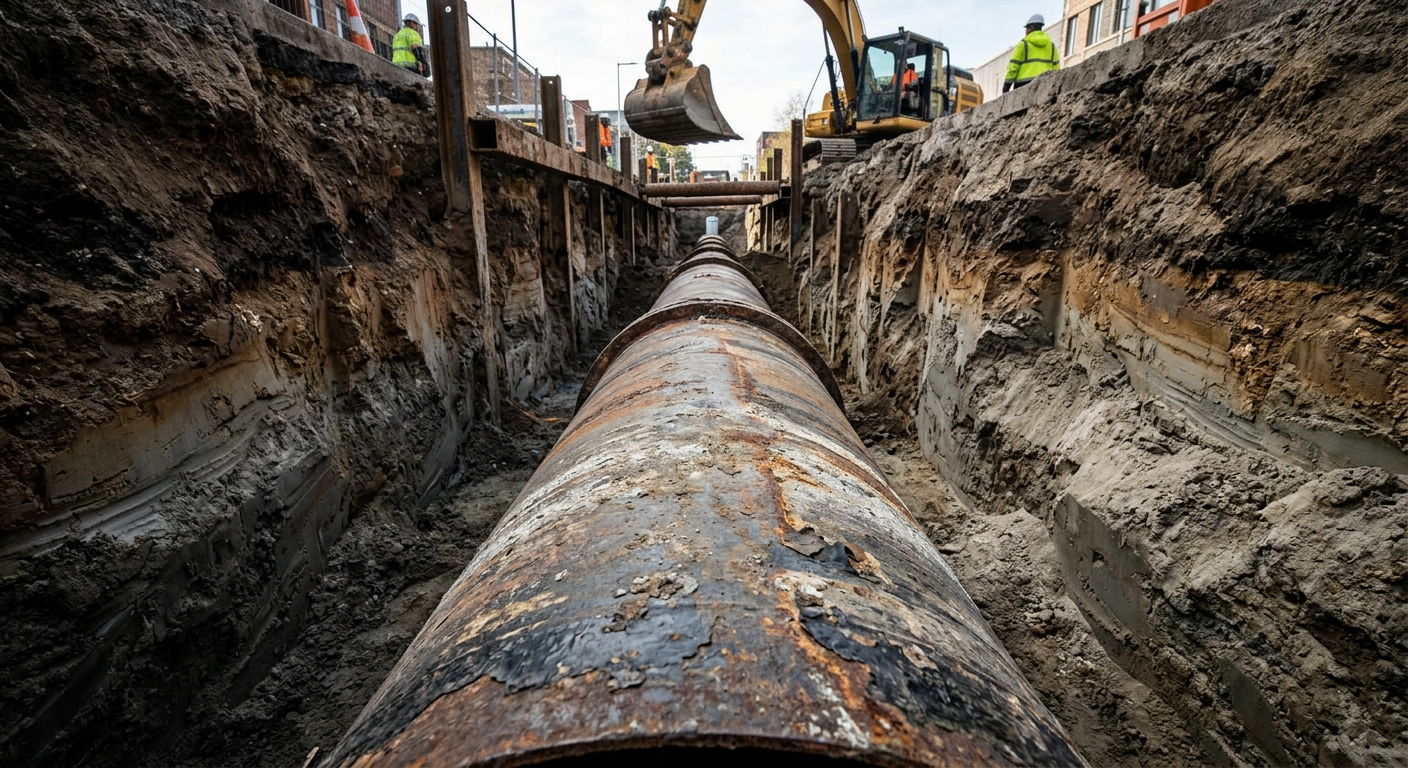
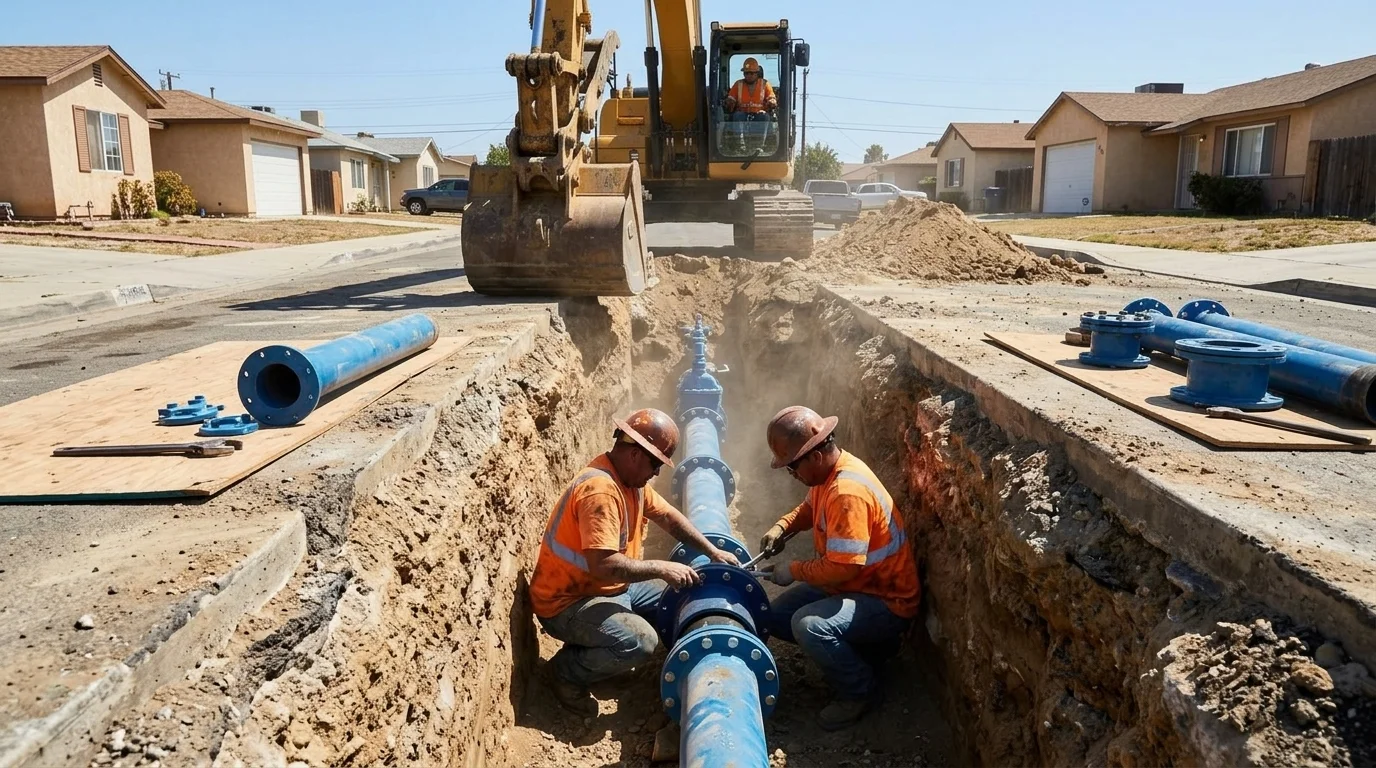
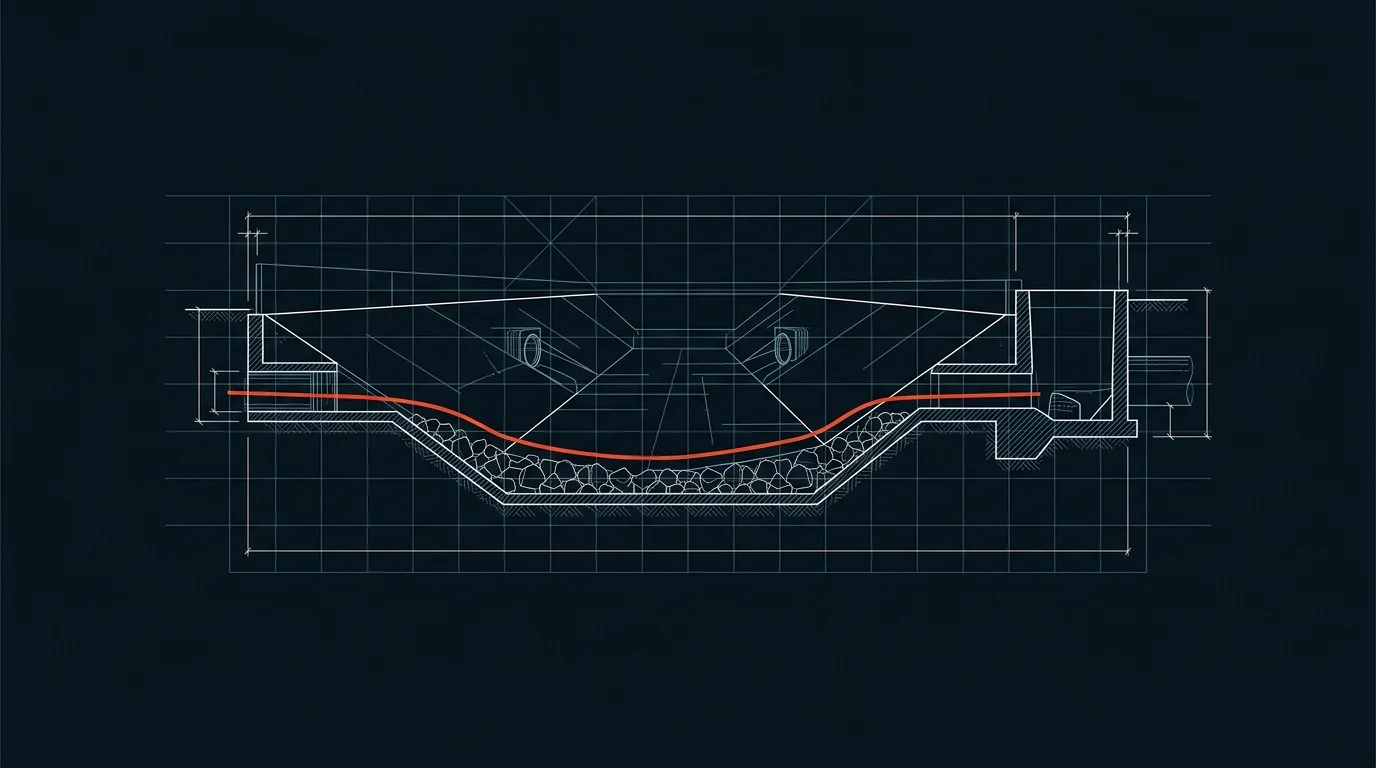
The city is hiring a contractor to rehabilitate or replace more than three kilometers of water and sewer infrastructure in a project that will span the 2026 and 2027 construction seasons, with all work to be finished by October 2027. The project listing on SaskTenders describes a scope that includes roughly 2,180 meters of trenchless pipe lining, where deteriorating water mains are relined from the inside without digging them up, plus about 1,000 meters of full pipe replacement where the pipes are too far gone to save. Another 900 meters of storm trunk sewer, including a new outfall structure, will also be installed.
The trenchless lining approach should limit some disruption downtown, but 12 blocks of road resurfacing means significant construction presence in Saskatoon's commercial core. Previous multi-block projects on 2nd and 3rd Avenues drew complaints from businesses about lost foot traffic, and the city has previously used phased construction and business mitigation programs to manage the impact.
The urgency behind the project reflects a city running hard to catch up. A 2019 infrastructure audit pegged Saskatoon's total infrastructure deficit at over $1 billion, and the downtown core carries some of the oldest pipes in the city, many installed during a mid-20th century growth boom and now well past their expected service life. Saskatoon's temperature swings, from -40°C in winter to +35°C in summer, are punishing on underground pipes, and water main breaks have become a recurring winter problem in recent years. The city's own reporting has flagged increasing break rates on older cast iron and asbestos cement mains.
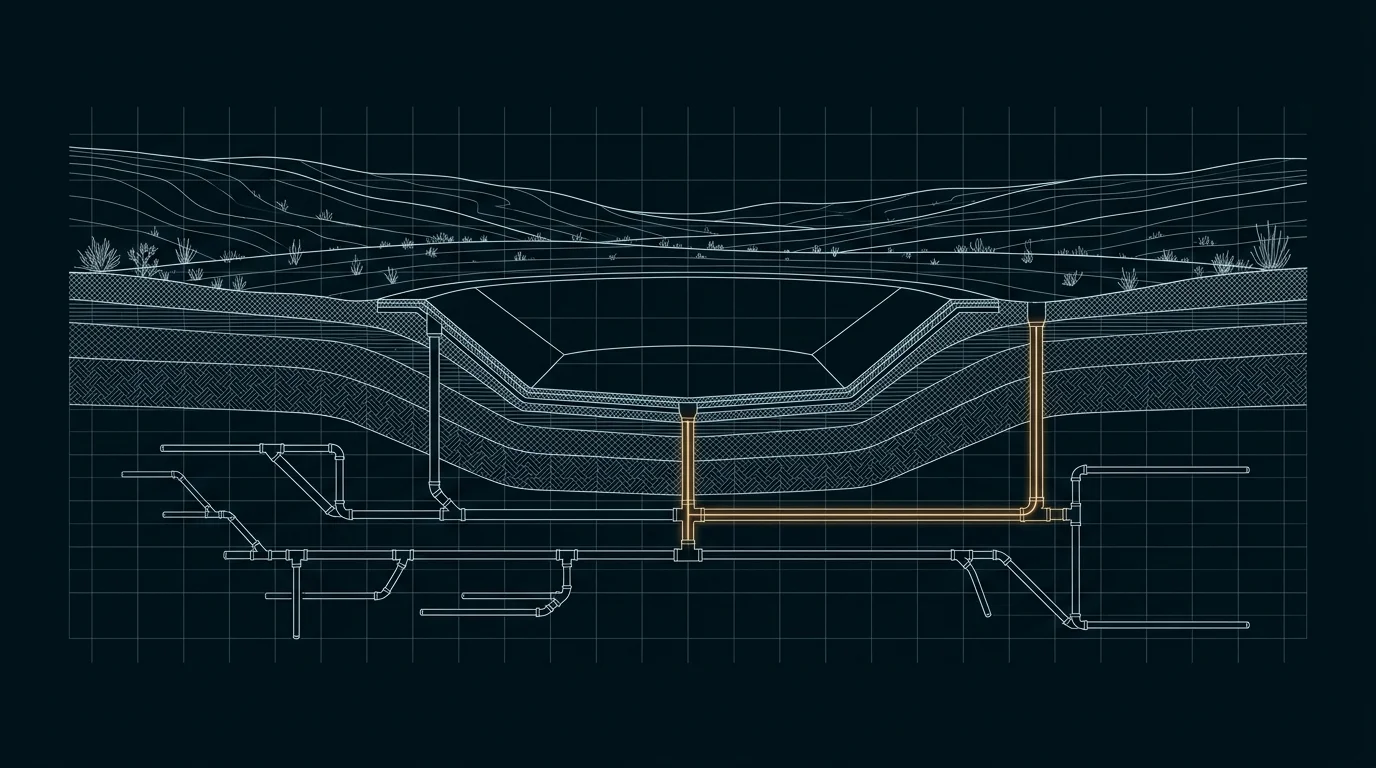
The stormwater component adds another layer: prairie rainfall events have grown more intense, and storm sewers built for a smaller, older city are struggling to keep up. Saskatoon established a dedicated Stormwater Utility partly to address chronic underfunding of sewer upgrades.
Saskatoon's population has grown by roughly 80,000 people since 2006, putting pressure on infrastructure that was never designed for a city this size. City Council has prioritized state-of-good-repair investments in recent capital budgets, though annual property tax increases in the 4 to 7 percent range, driven partly by infrastructure catch-up, have kept spending politically sensitive. Whether this project draws on federal or provincial cost-sharing, as many comparable Saskatchewan municipal projects do, has not been disclosed.
Construction is expected to get underway in the 2026 building season, with the compressed Saskatchewan construction window, roughly May through October, making the two-year span a practical necessity for a project of this scale.