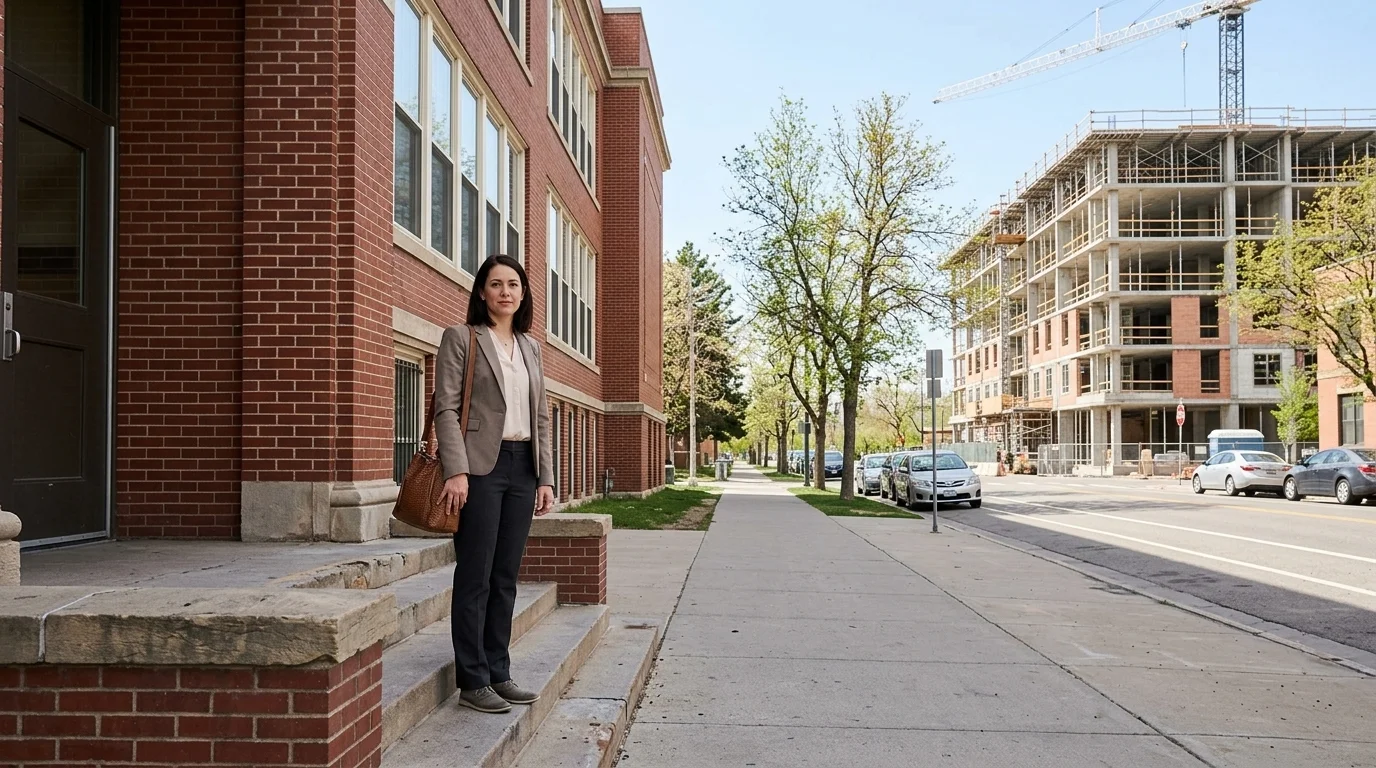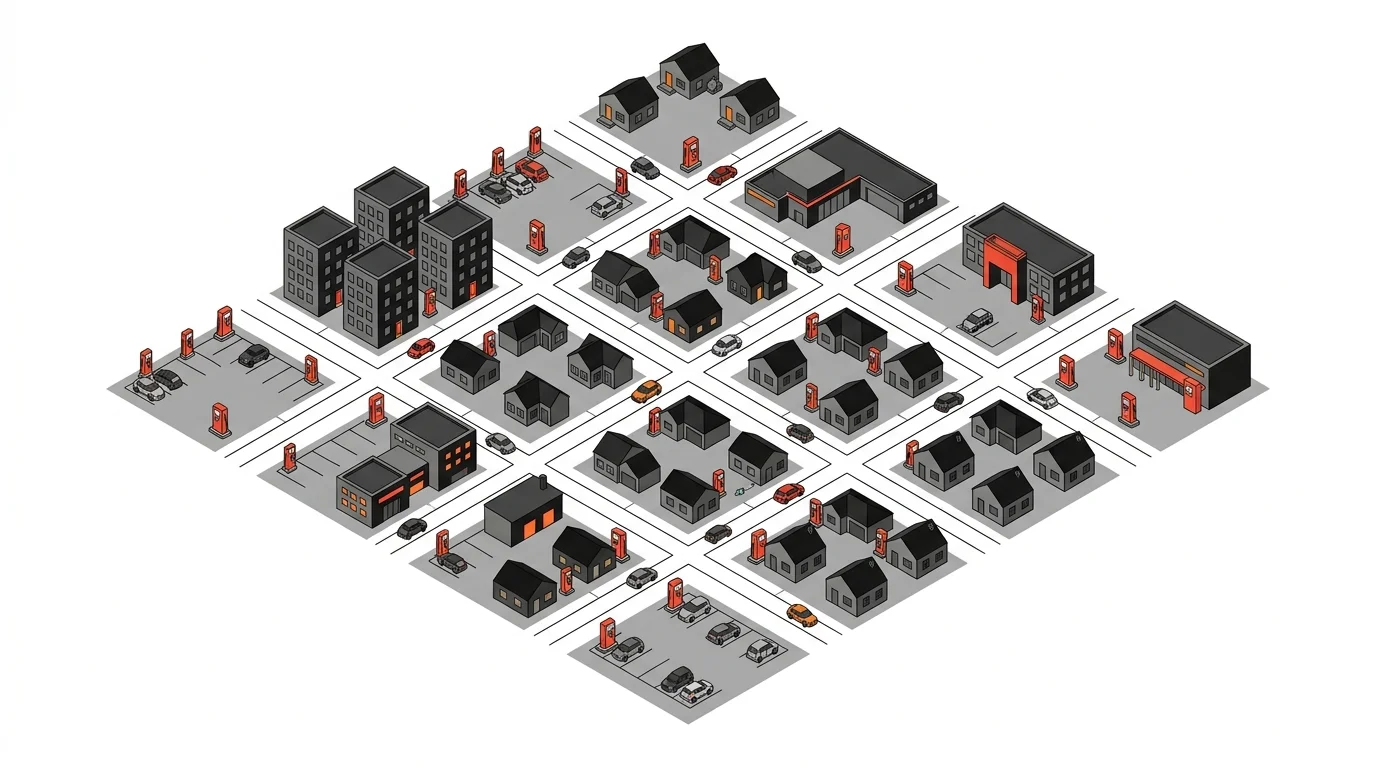
Teaneck, New Jersey is looking for a private company to build and run an electric vehicle charging network across the township, a move that reflects how suburban municipalities are trying to keep pace with the state's aggressive push toward an all-electric future without dipping into already-strained local budgets.
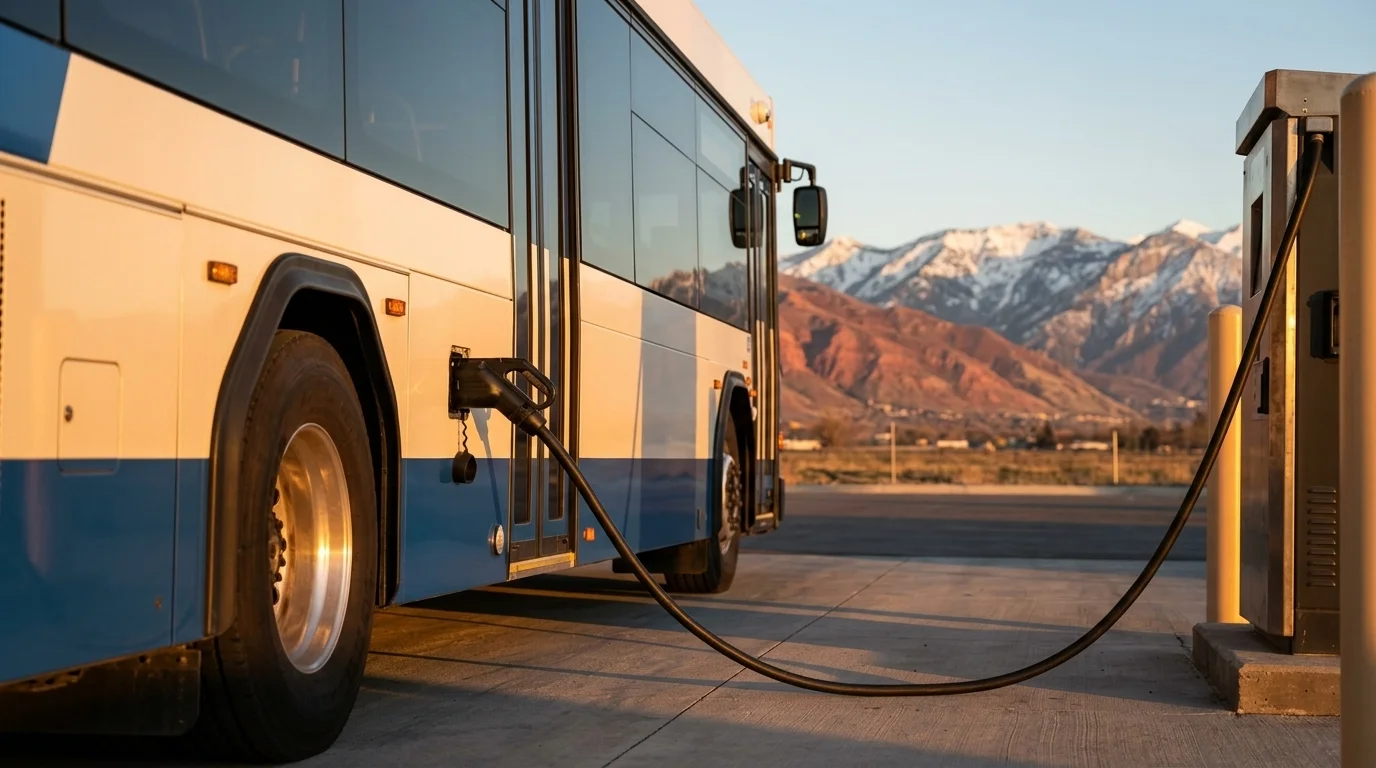
Under the arrangement Teaneck is pursuing, a private operator would install, maintain, and run the chargers and keep the revenue from drivers who use them. The township gets public EV infrastructure at no capital cost. This public-private concession model has become increasingly common in New Jersey as municipalities recognize they lack both the upfront money and the technical capacity to run charging networks on their own. Early municipal charging efforts, often a handful of Level 2 chargers in a parking lot funded by a one-time grant, frequently fell into disrepair. Shifting the operational burden to a private company with a financial stake in keeping chargers working is the cleaner alternative.
The timing matters. New Jersey has adopted California's rule banning the sale of new gas-powered cars by 2035, and Governor Phil Murphy has committed the state to 100% clean energy by the same year. EV registrations in the state roughly tripled between 2020 and 2023. Bergen County, where Teaneck sits, has some of the highest EV adoption rates in New Jersey, driven by household incomes and proximity to New York City.
But Teaneck's roughly 41,000 residents include a large share of apartment and garden-unit dwellers who cannot install a home charger. For those residents, public charging is the only option, making this more than a convenience upgrade. Without accessible municipal infrastructure, EV ownership stays out of reach for anyone who doesn't live in a single-family home with a garage.
The specific details of Teaneck's concession solicitation, including which sites would get chargers, what types of chargers are planned, and how long the contract would run, are contained in a downloadable report not publicly summarized in the listing, so those specifics remain unclear. Grid capacity at potential sites is also a real constraint that any bidder will need to account for, given PSE&G's infrastructure in the area.
Which company wins the contract, and on what terms, will determine whether Teaneck's charging network is genuinely useful to residents who need it most or primarily a convenience for those who already have home charging options.