Manatee County, Florida is pushing forward on a long-planned recreational trail that would connect communities across one of the state's fastest-growing regions, launching a required environmental review that must be completed before construction can begin.
The county is hiring consultants to conduct a Project Development and Environment study for Phase II of the Gateway Greenway Trail, a step required by the Florida Department of Transportation before any trail project can move to design and construction. The study will examine route alternatives, engineering feasibility, environmental impacts, and cost estimates, essentially determining whether and how the trail gets built.
The timing reflects mounting pressure on a county that has added roughly 140,000 residents since 2000 and shows no signs of slowing down. As subdivisions spread across Manatee County's eastern agricultural lands, traffic on US-41 and I-75 corridors has thickened, and demand for parks, open space, and alternatives to driving has grown alongside it. Trail advocates argue that connected greenways serve multiple purposes at once: recreation, property value, tourism, and transportation.
The Gateway Greenway fits into a broader regional picture. The Tampa Bay area has seen significant trail investment in recent years, including the Coast-to-Coast Trail stretching across the state and the well-used Pinellas Trail to the north. As Manatee County has expanded its greenway network, connecting to that regional system has become a central planning goal.
Federal dollars could help pay for construction. The 2021 Bipartisan Infrastructure Law directed historic funding toward trails and pedestrian infrastructure through programs like the Transportation Alternatives Program, and Florida's SUN Trail program has been a key mechanism for funding shared-use paths statewide since 2015.
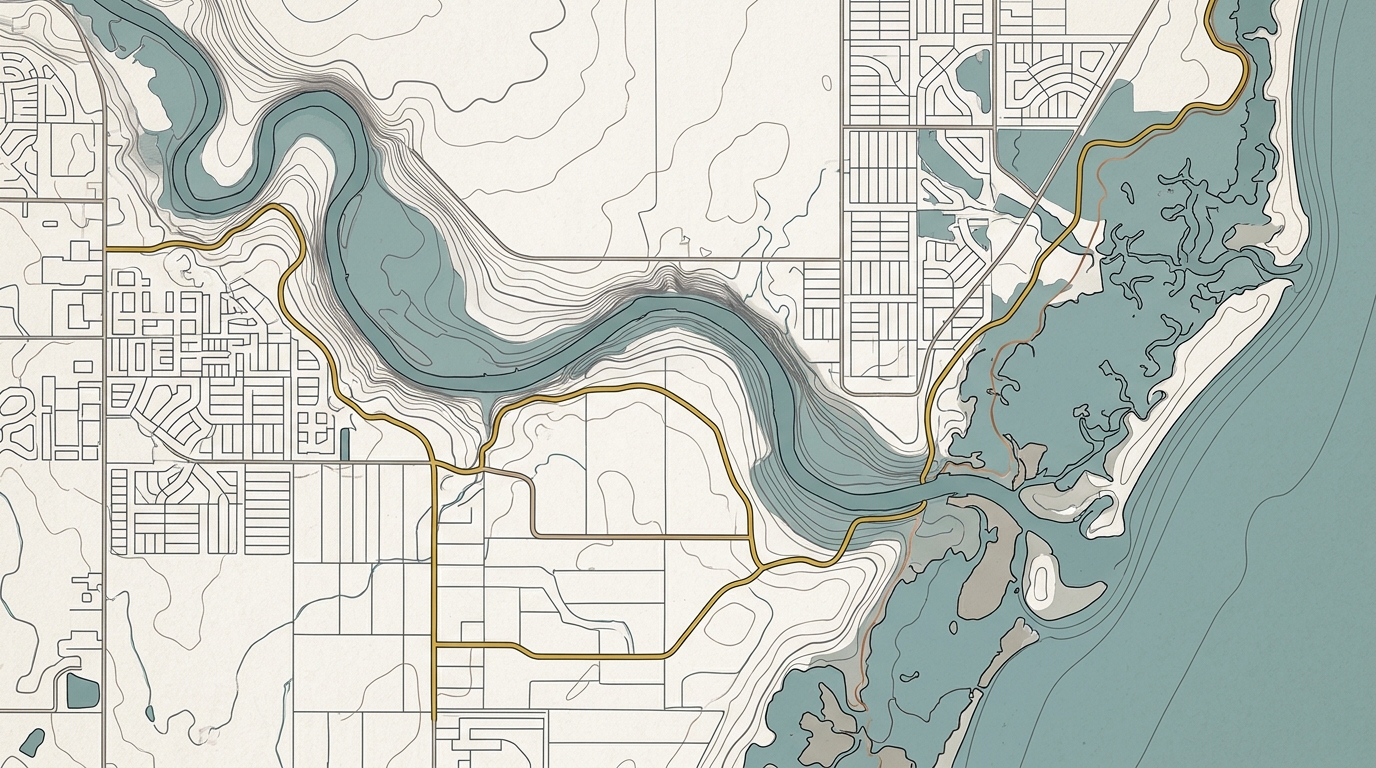
The county's flat terrain and year-round warm climate make it well-suited for trail use, but the environmental review will need to navigate sensitive features including the Manatee River corridor and coastal mangroves. How consultants resolve those questions will shape what gets built and where. Results from the study will set the course for whether Phase II moves toward construction or back to the drawing board.