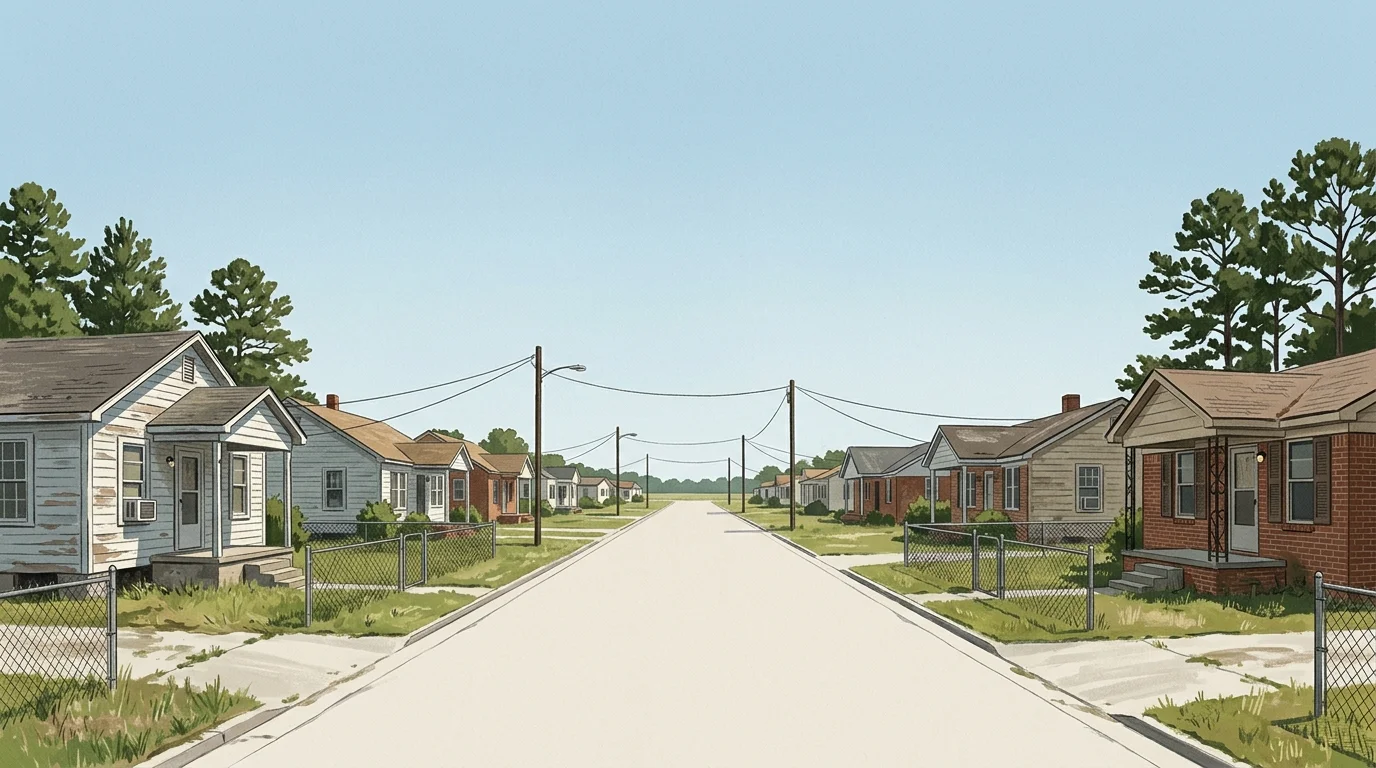
Residents of Barangay Mabiga in Hermosa, Bataan have learned to brace for flooding every monsoon season, a cycle that traces back to 1991, when Mount Pinatubo's catastrophic eruption buried Central Luzon's river systems under billions of cubic meters of volcanic ash and rock. More than three decades later, the municipality is now moving to rechannelize the Hermosa River through the village in hopes of finally breaking that pattern.
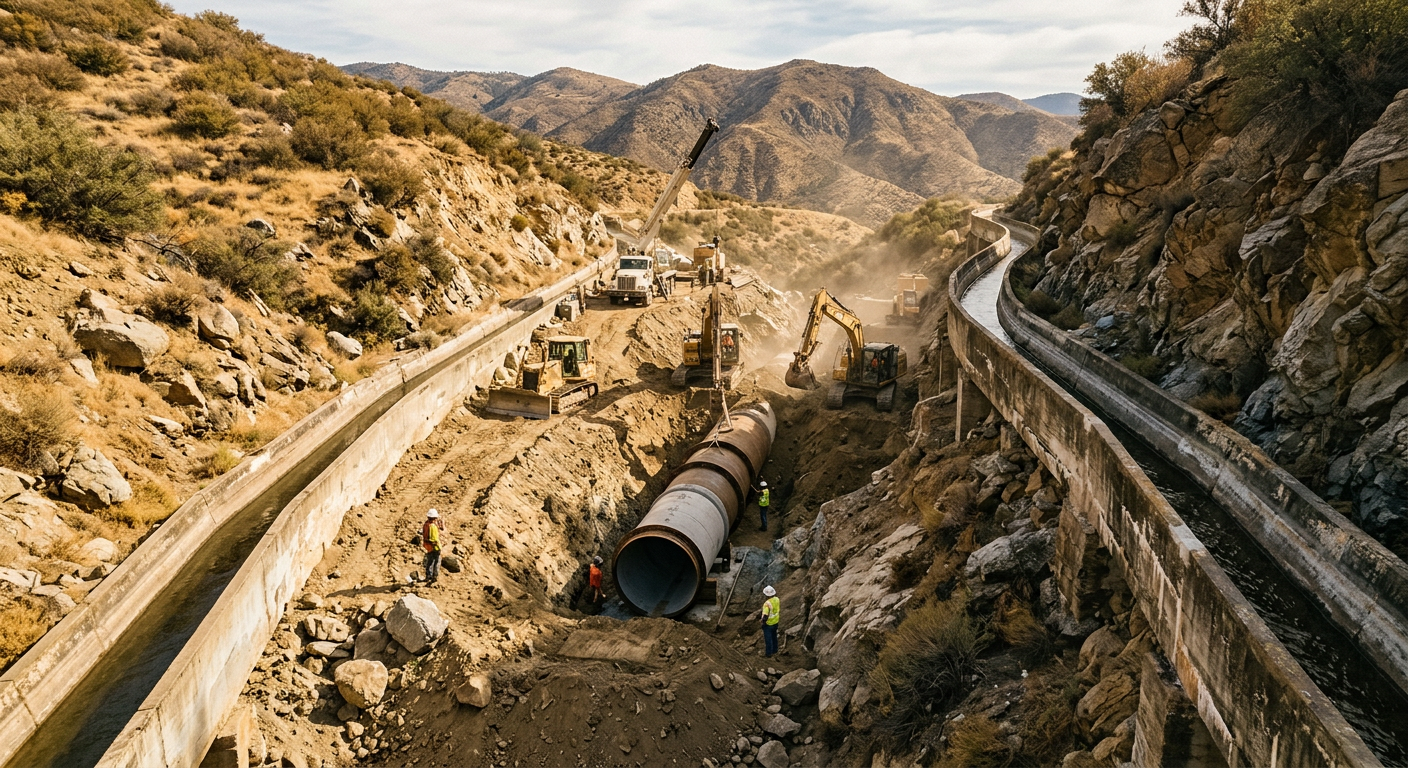
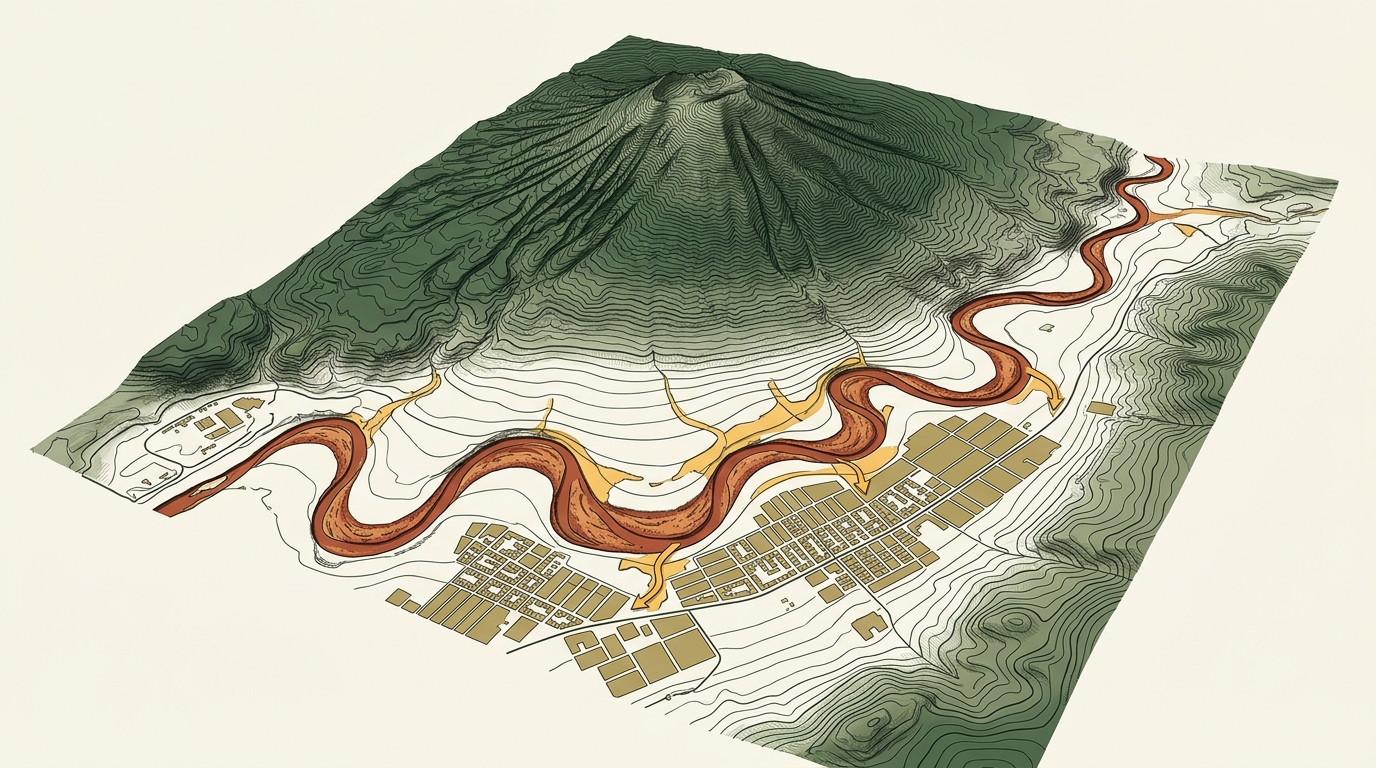
The project, published through the municipality's Bids and Awards Committee, calls for realigning and reinforcing the river channel through Mabiga, work that typically involves widening and deepening the waterway, stabilizing the banks with riprap or gabion walls, and clearing the sediment obstructions that lahar deposits have left behind for a generation. The goal is to increase the river's capacity to carry stormwater safely through the community before it spills into homes and farmland.
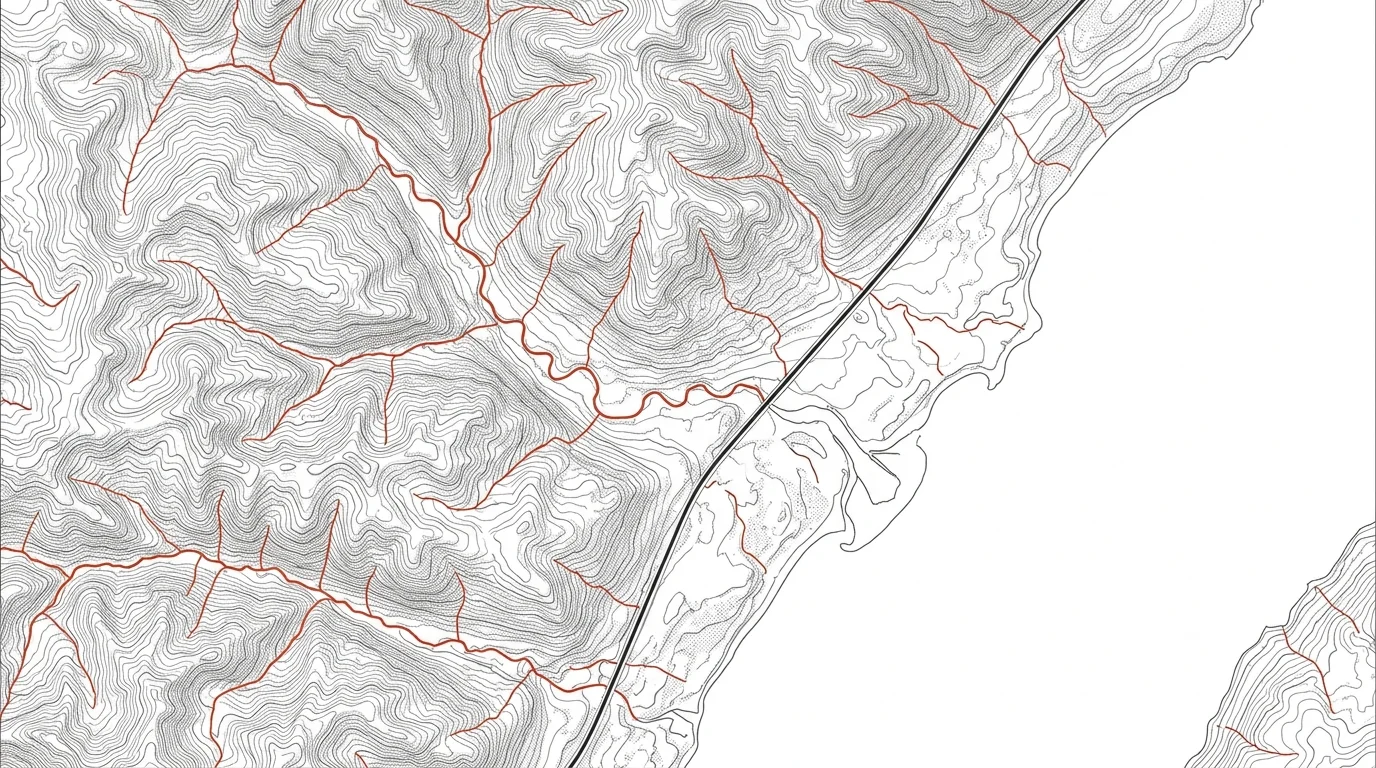
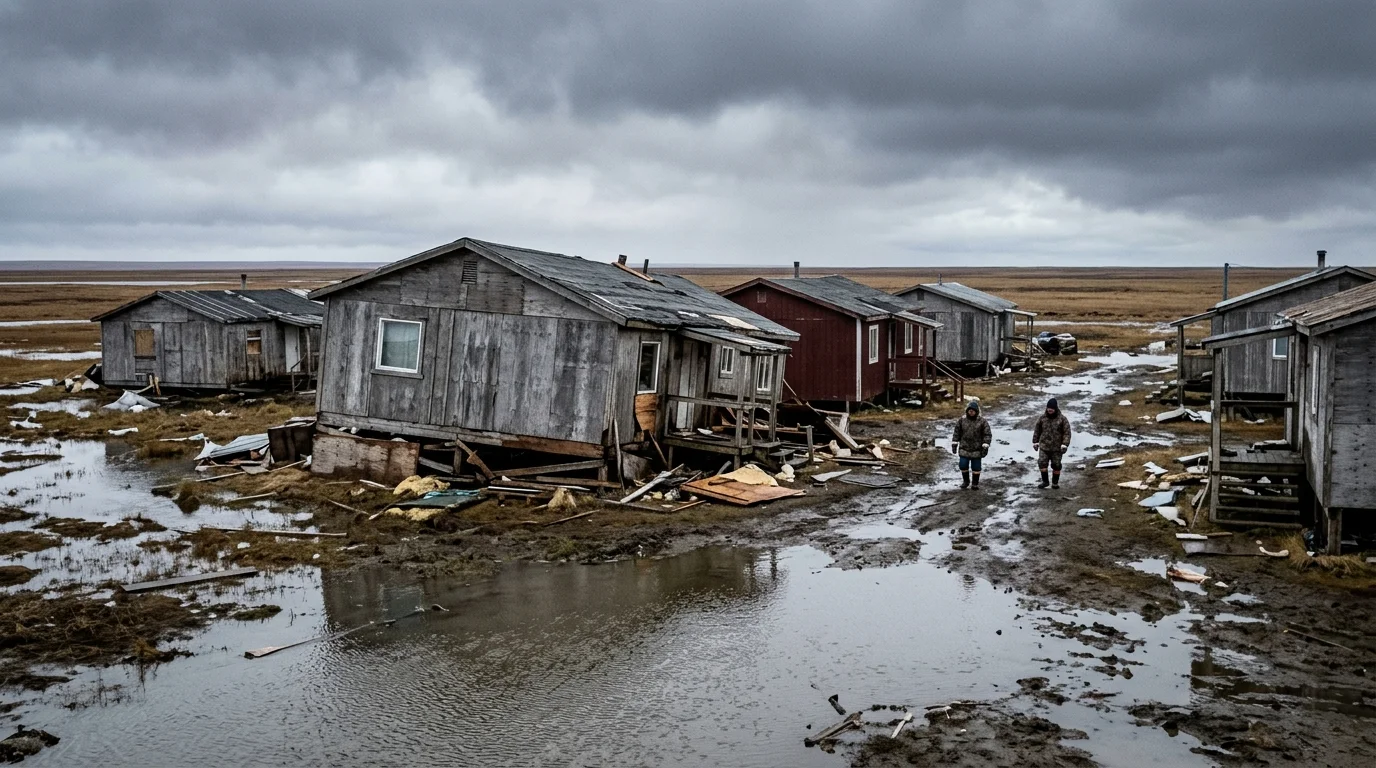
Hermosa sits in the lowland west of the Zambales mountains, directly in the drainage path of lahar flows that reshaped the region after Pinatubo. The sedimentation raised riverbeds, reduced channel capacity, and permanently altered flow patterns across Bataan province. Combined with the Philippines' exposure to roughly 20 tropical cyclones per year and increasingly intense monsoon rainfall driven by climate change, communities like Mabiga remain acutely vulnerable every June through November.
The municipality of roughly 60,000 to 70,000 residents is funding the project through a competitive public bidding process under the Philippine Government Procurement Reform Act. The specific contract budget was not confirmed in materials reviewed for this article and should be verified through the PhilGEPS national procurement portal or the municipal website directly.
Flood control spending at the local government level across the Philippines has drawn scrutiny from the Commission on Audit in recent years over delays and cost overruns, and projects of this kind are closely watched by the communities that depend on them. For Mabiga residents, the measure of success will be simpler: whether the next typhoon season passes without their streets underwater.