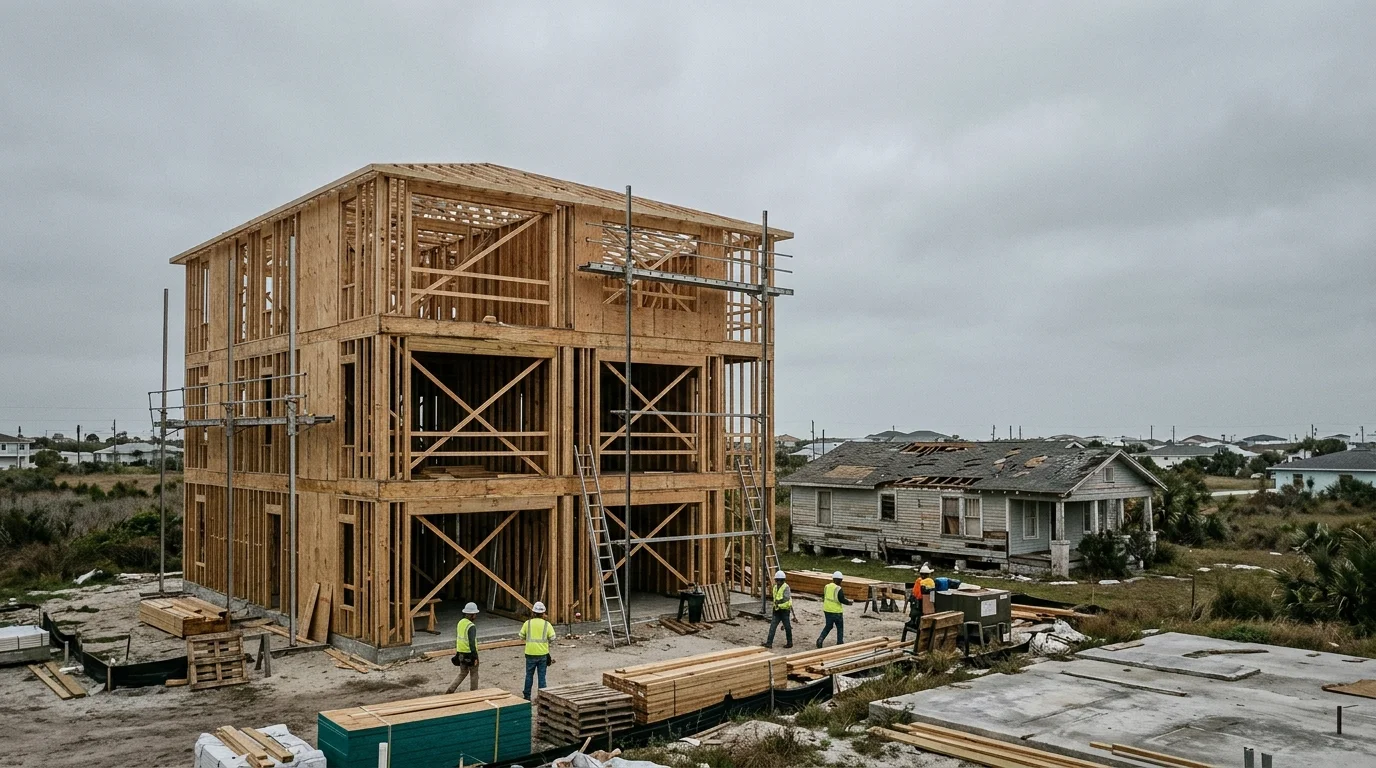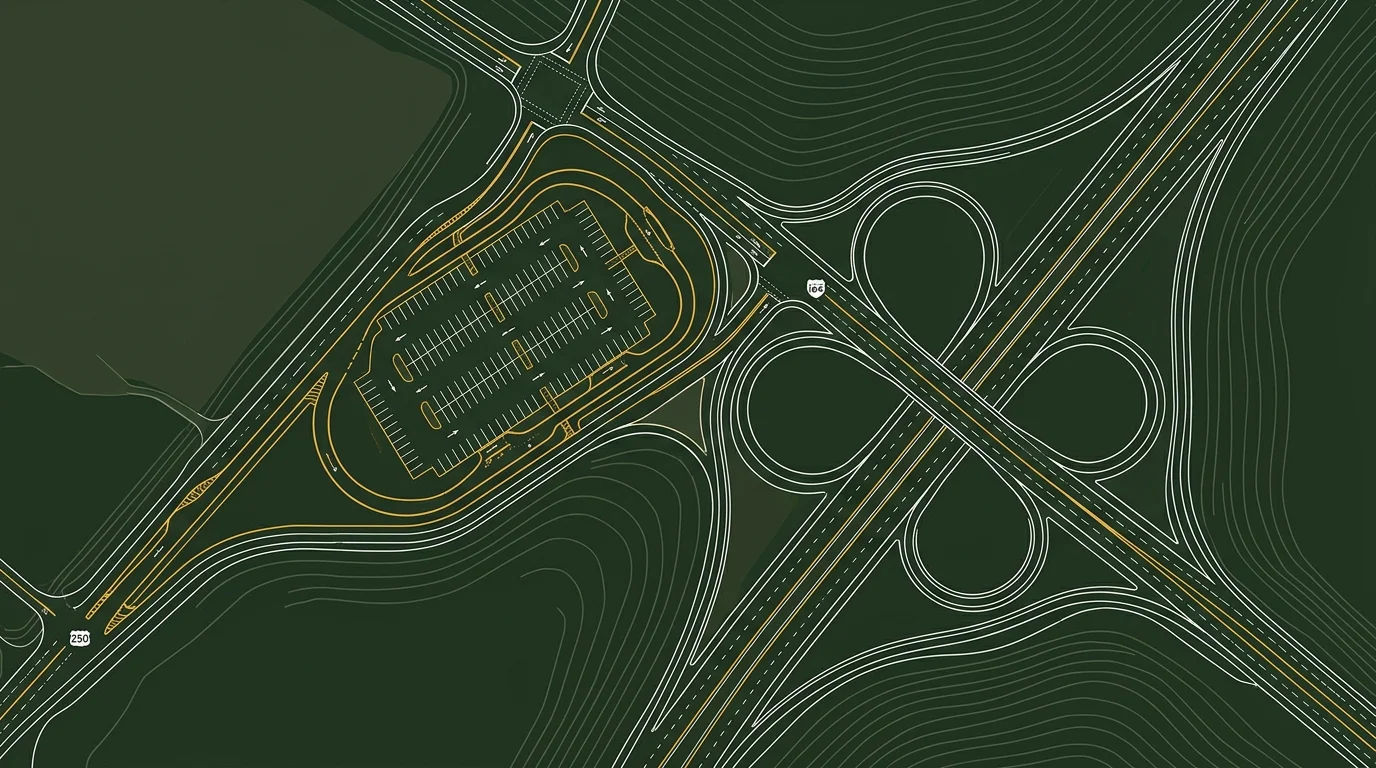
Albemarle County, Virginia is building a new park-and-ride lot off I-64 west of Charlottesville, backed by a $1.4 million federal grant aimed at cutting carbon emissions from the region's growing commuter traffic.
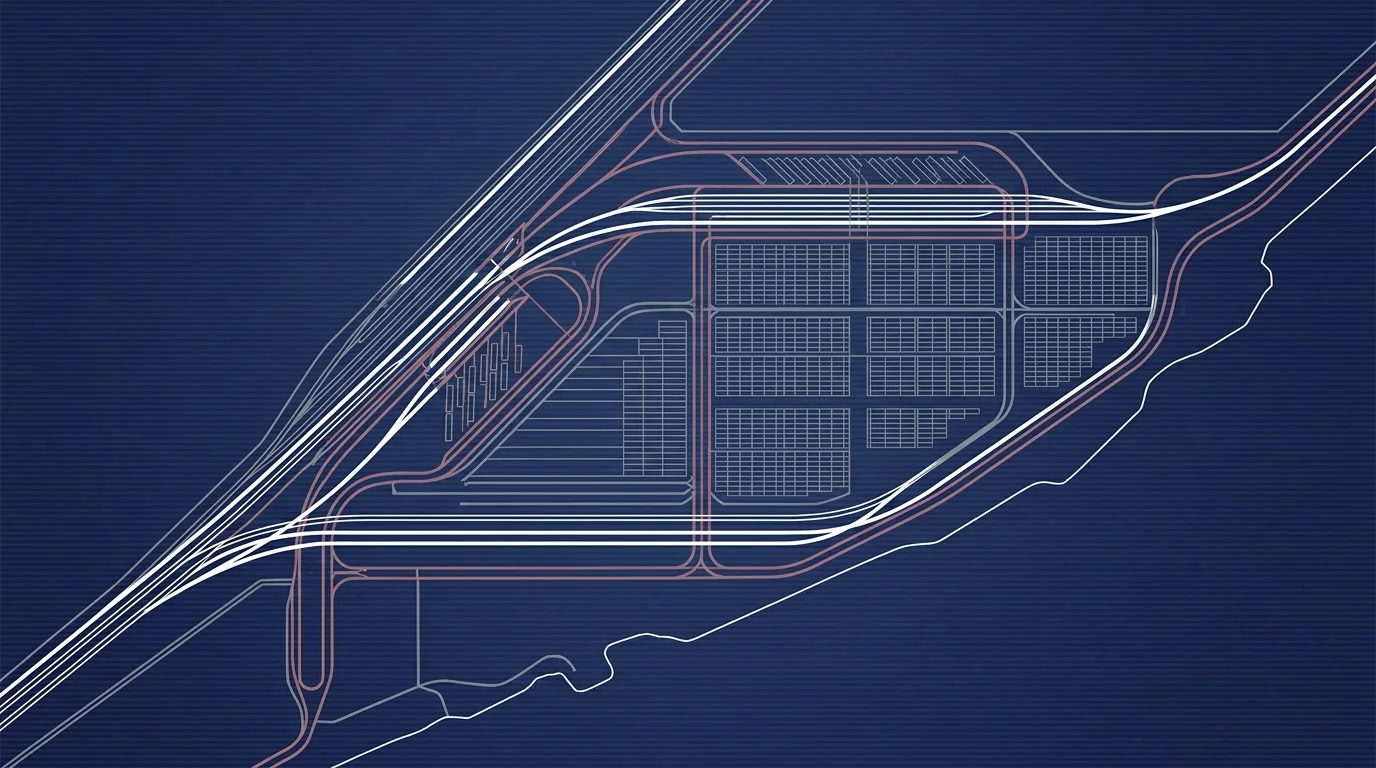
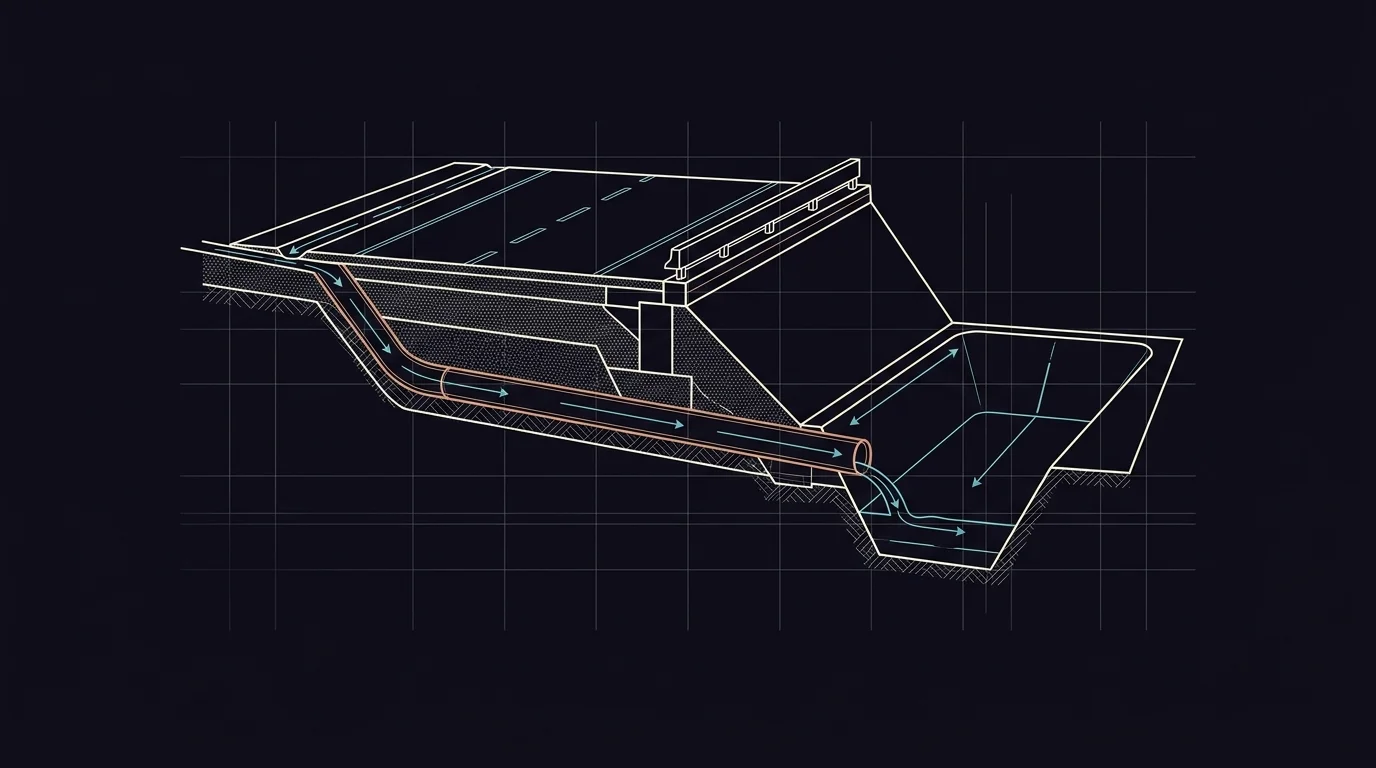
The facility, planned for Exit 107 at the Route 250 interchange, will offer 25 parking spaces and a bus pull-through, connecting drivers to regional transit options like Charlottesville Area Transit or the Jaunt network. The project will also extend the westbound left turn lane on Route 250, addressing a congestion bottleneck at the interchange.
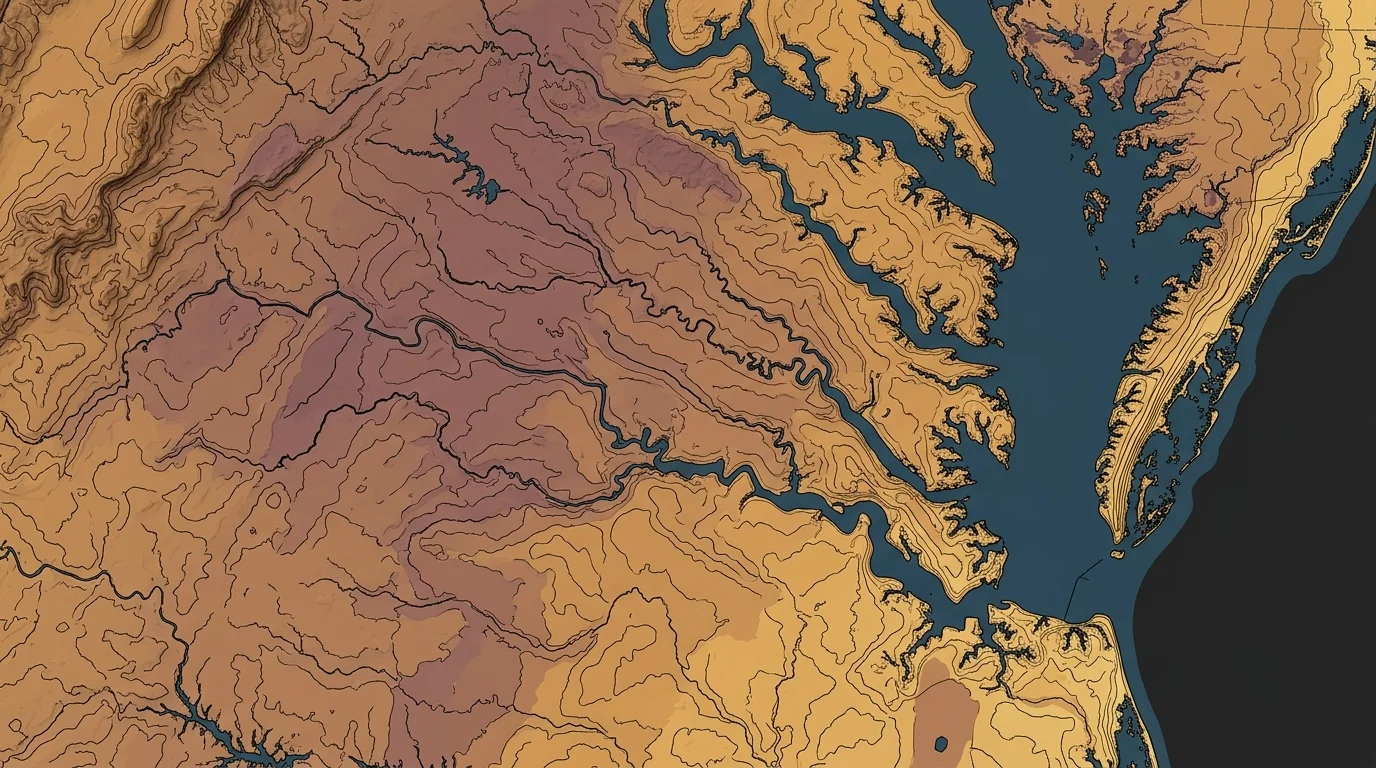
The modest scale reflects a specific commuter problem: housing costs in Charlottesville have pushed more residents westward along the I-64 and Route 250 corridor into rural Albemarle County and beyond, stretching commute distances and adding vehicles to a mountain interstate already known for heavy traffic. Existing park-and-ride lots in the region regularly fill up, leaving commuters with no practical alternative to driving alone.
The funding comes from the federal Carbon Reduction Program, created under the 2021 Bipartisan Infrastructure Law, which directs roughly $6.4 billion over five years to states for projects that measurably reduce highway emissions. Transportation accounts for about 29 percent of U.S. greenhouse gas output, and park-and-ride facilities are among the program's explicitly eligible project types. The logic is straightforward: every commuter who parks and carpools or boards a bus represents fewer miles driven and less carbon emitted.
The investment is a small but concrete example of how federal climate dollars are reaching communities where sprawl and housing affordability have become intertwined with emissions challenges. Virginia Governor Glenn Youngkin pulled the state out of the Regional Greenhouse Gas Initiative in 2023, but federally funded transportation projects under the Carbon Reduction Program have continued moving forward regardless.
VDOT will design and construct the facility. No completion date has been publicly announced, but with the grant posted in November 2025, planning and design work would typically precede construction by at least a year.