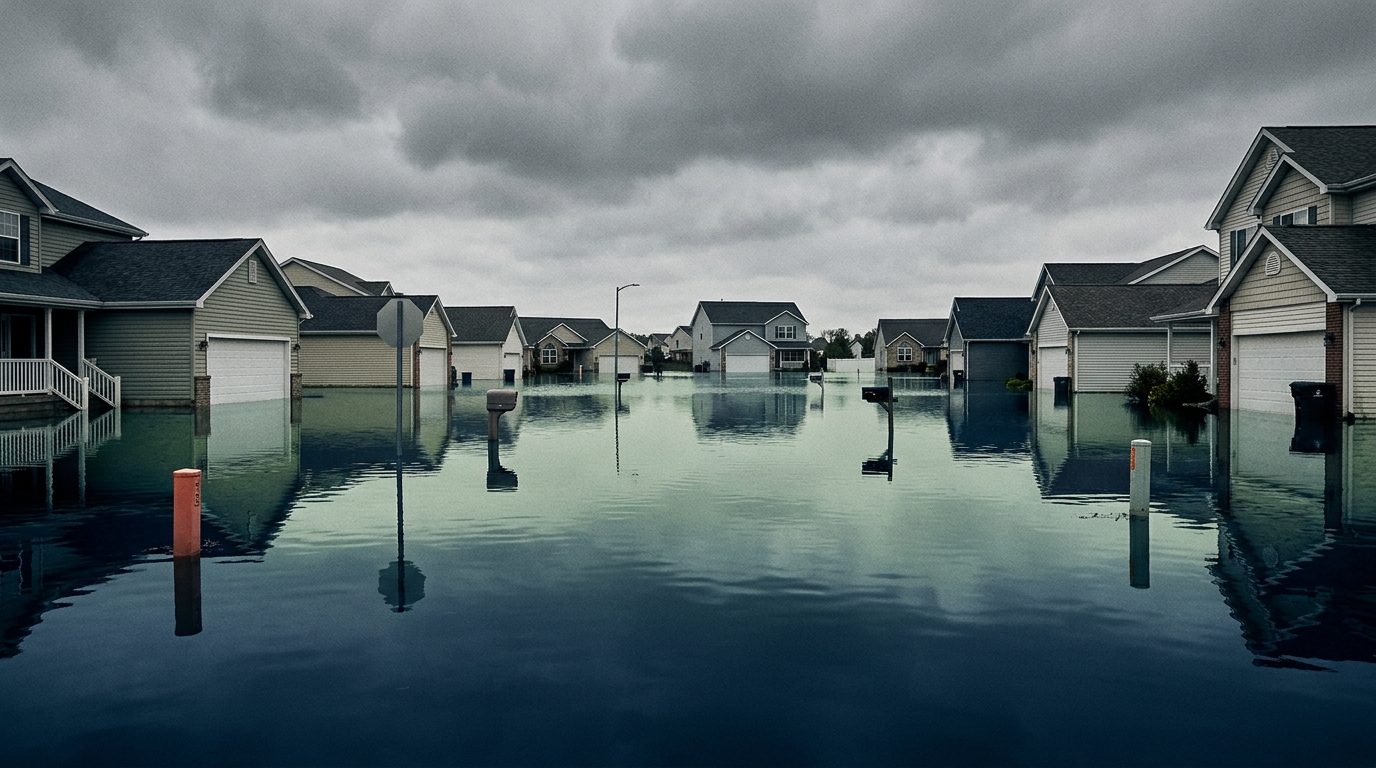
In Sugar Land, Texas, roughly 40 families on Plantation Bend Drive have learned to dread heavy rain. When storms hit, water doesn't just pool in their yards — it pondsup to six feet deep around their homes, cutting off the neighborhood and blocking police, fire, and ambulance crews from getting in. Now a $1 million federal grant is funding the new pipes the subdivision has long needed.
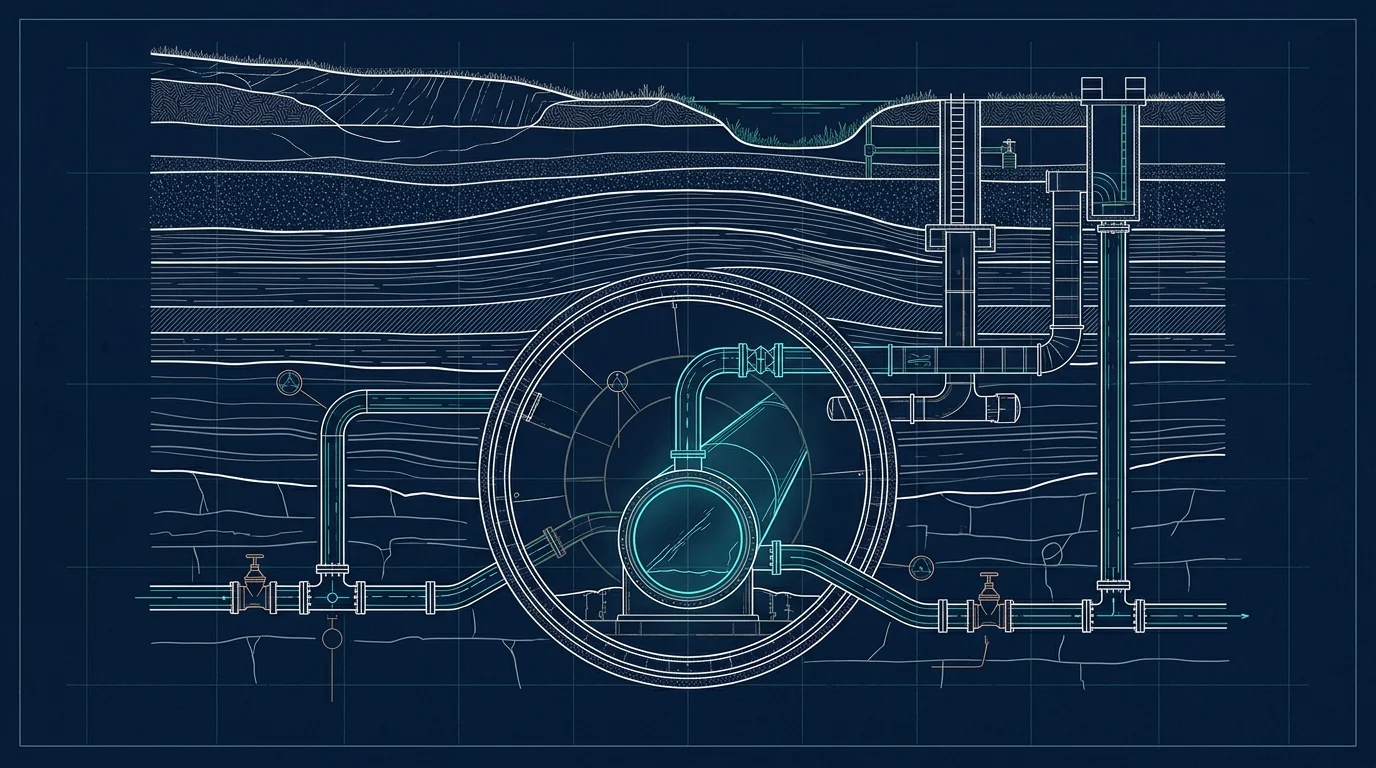
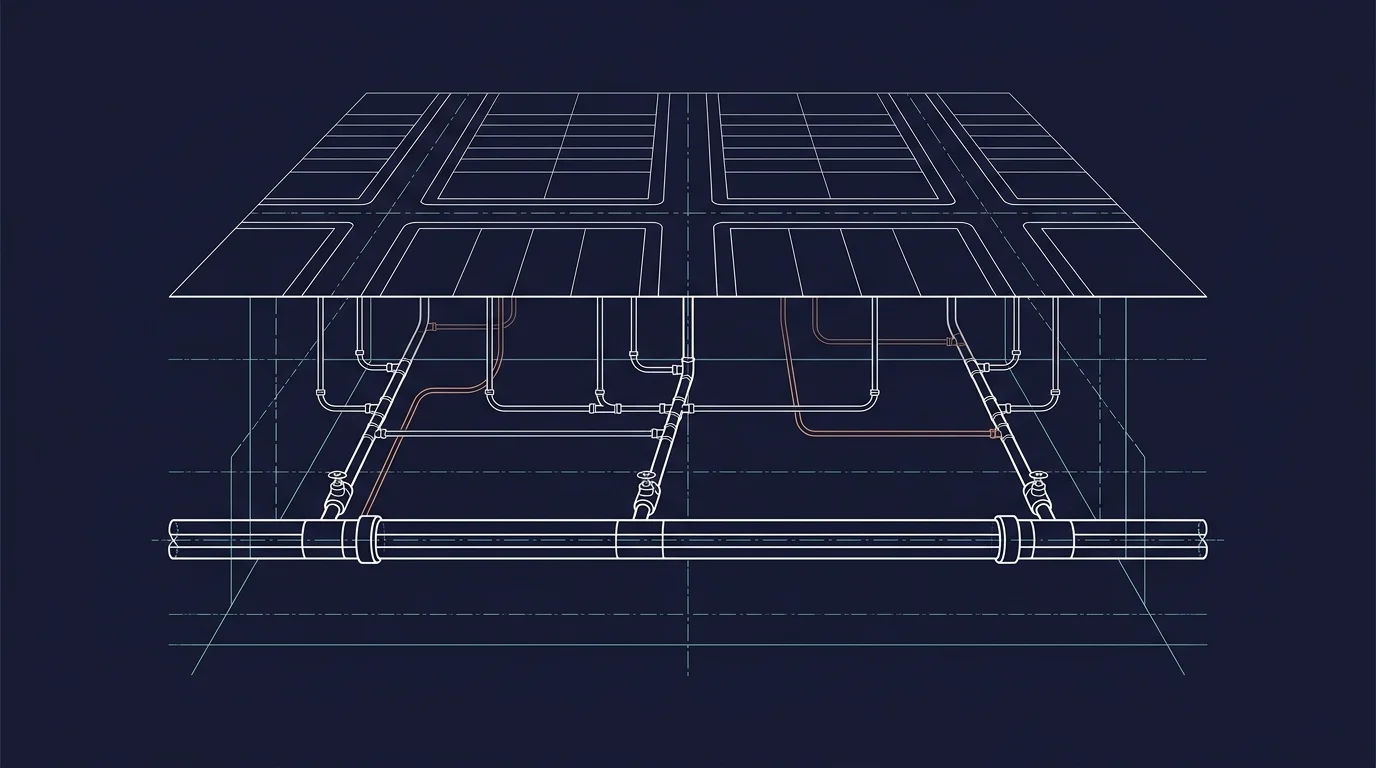
The money comes through the EPA via a congressional earmark in the 2024 Consolidated Appropriations Act, a mechanism Congress restored in 2021 after a decade-long ban on directed spending. The grant will pay for replacing 820 linear feet of undersized storm sewer along Plantation Bend Drive with larger reinforced concrete pipe — up to 48 inches in diameter — along with three new drainage inlets and about 2,000 square yards of repaved road.
The engineering case is stark. City modeling shows the upgraded system will cut ponding depths around homes by six feet. That's the difference between floodwater lapping at a foundation and floodwater swallowing a ground floor.
Plantation Bend sits in Fort Bend County, part of the greater Houston metro area — arguably the most flood-prone urban region in the country. Hurricane Harvey alone flooded roughly 150,000 homes across Harris and Fort Bend counties in 2017, and the region has absorbed multiple so-called 500-year floods within just a few years. Subdivisions built in the 1970s through 1990s, including Plantation Bend, were designed to drainage standards that assumed far less pavement upstream and far less intense rainfall than the area now regularly sees. Fort Bend County's population roughly doubled between 2000 and 2020, converting prairie and farmland to impervious surfaces and sending more runoff into systems never built to handle it.
Sugar Land has been working through a comprehensive drainage master plan since Harvey, and Fort Bend County passed a $218.5 million flood bond in 2018. But the backlog of undersized neighborhood systems across the region is long, and local drainage fees don't stretch to cover everything. Federal earmarks have become one of the few ways specific subdivisions reach the front of the line, similar to how Portales, New Mexico used federal funds to begin designing a flood fix for a single problem street.
Beyond protecting homes, the project carries a secondary benefit that residents may not have considered: shorter emergency response times. When Plantation Bend floods, first responders can't reach people who need them. Reducing how long the street ponds means ambulances and fire trucks get through faster.
Construction timelines have not been publicly announced, but the grant was posted in November 2026, meaning work is expected to move forward in the near term.