Chicago O'Hare International Airport, which handles more than 2,600 aircraft movements a day, is moving to repair a stretch of aging taxiway pavement on its south airfield before deterioration slows operations or creates safety problems.
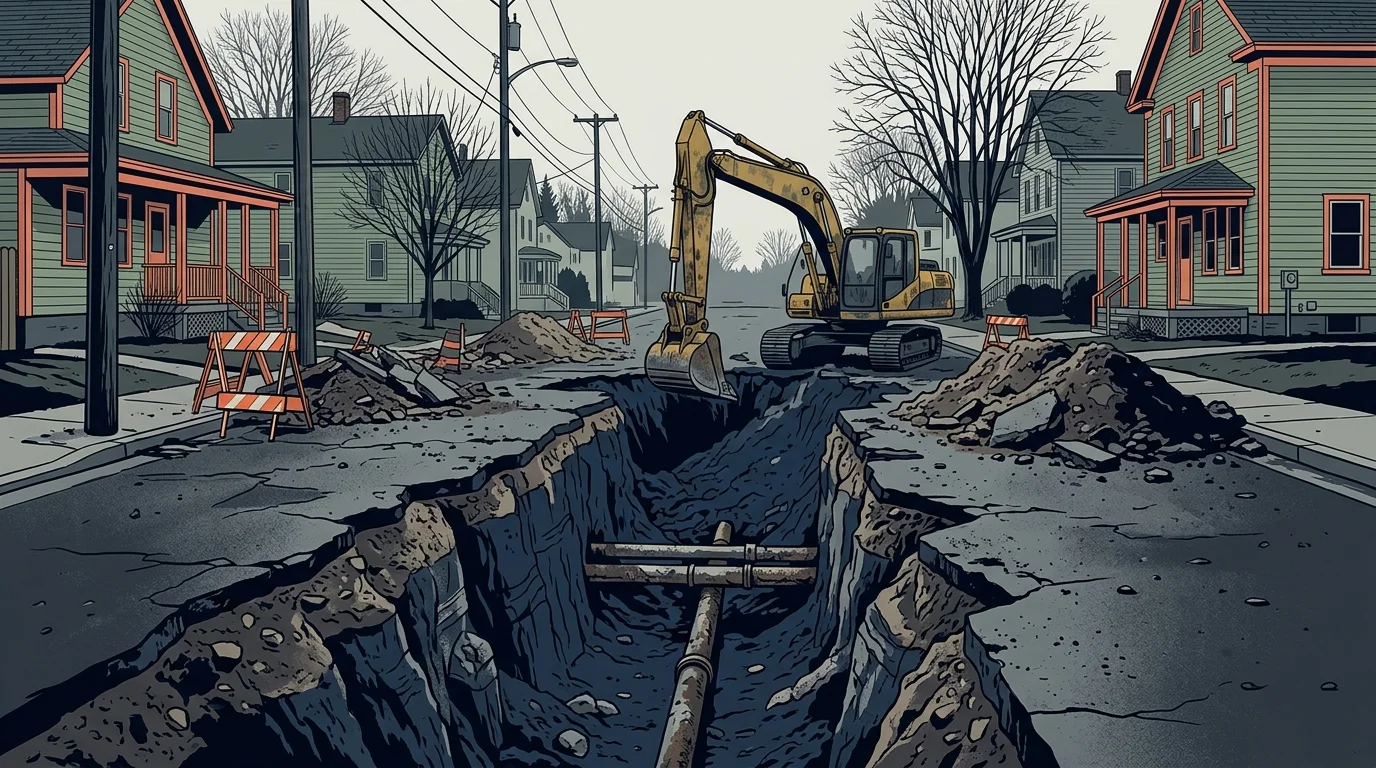
The project covers Taxiway Y South and two connector taxiways, Y3 and Y4, which channel aircraft between the runways and terminal areas. Taxiways are the airfield equivalent of city streets: when they crack or settle, aircraft slow down, sequencing backs up, and delays ripple across the national air system. O'Hare is already one of the country's most delay-prone airports, and keeping its pavement in working order is a constant obligation.
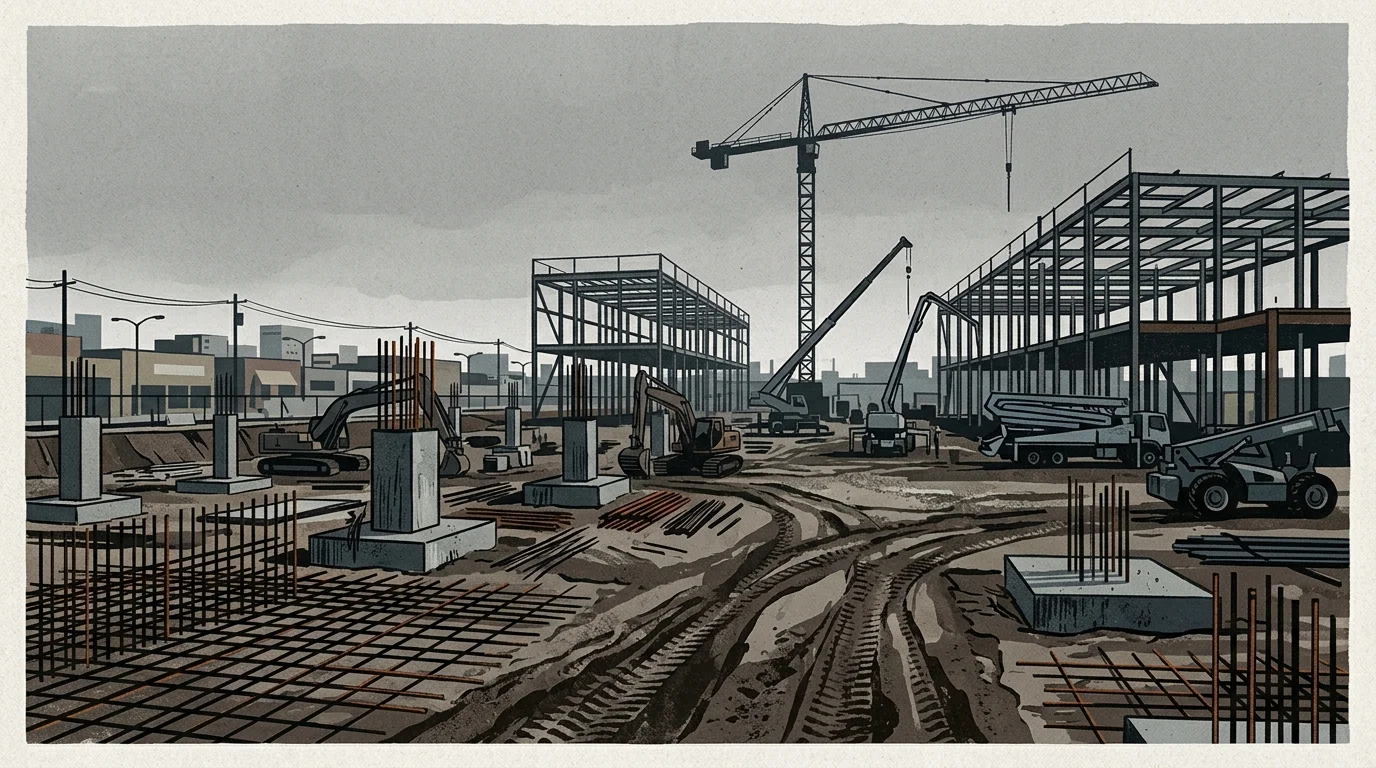
The timing is notable. Chicago is simultaneously pushing forward with the O'Hare 21 Terminal Area Plan, an $8.5 billion program to build a new Global Terminal and satellite concourses approved by the city council in 2019 and now in active construction. As that work reshapes how aircraft move through the airport, the taxiways that already exist need to hold up. Pavement sections built or last rehabilitated in the early 2000s, during the previous round of O'Hare modernization, are now hitting the end of their typical 15-to-25-year service life.
Chicago's climate makes the problem worse. The city averages more than 100 freeze-thaw cycles per year, which crack and heave concrete faster than at airports in milder climates. Wide-body jets can weigh more than 800,000 pounds, and repeated de-icing chemical applications eat away at pavement over time. All of it adds up to a rehabilitation cycle that airport operators can't defer for long.
The project is funded through airport revenues and federal grants rather than city taxpayer dollars. O'Hare operates on a self-sustaining financial model, with costs ultimately borne by airlines like United and American, both of which maintain major hubs there. Federal infrastructure funding has also expanded in recent years, with the 2021 Bipartisan Infrastructure Law directing $15 billion toward airport improvements nationwide over five years.
The city is now seeking a contractor to carry out the work. How long the project will take and what it will cost have not been publicly disclosed in the solicitation documents.