More than a year after a tornado tore through Christian County, Kentucky, federal dollars are finally arriving to clear debris from local waterways and restore damaged watersheds, a recovery effort that has taken on added urgency in a region battered by repeated severe storms.
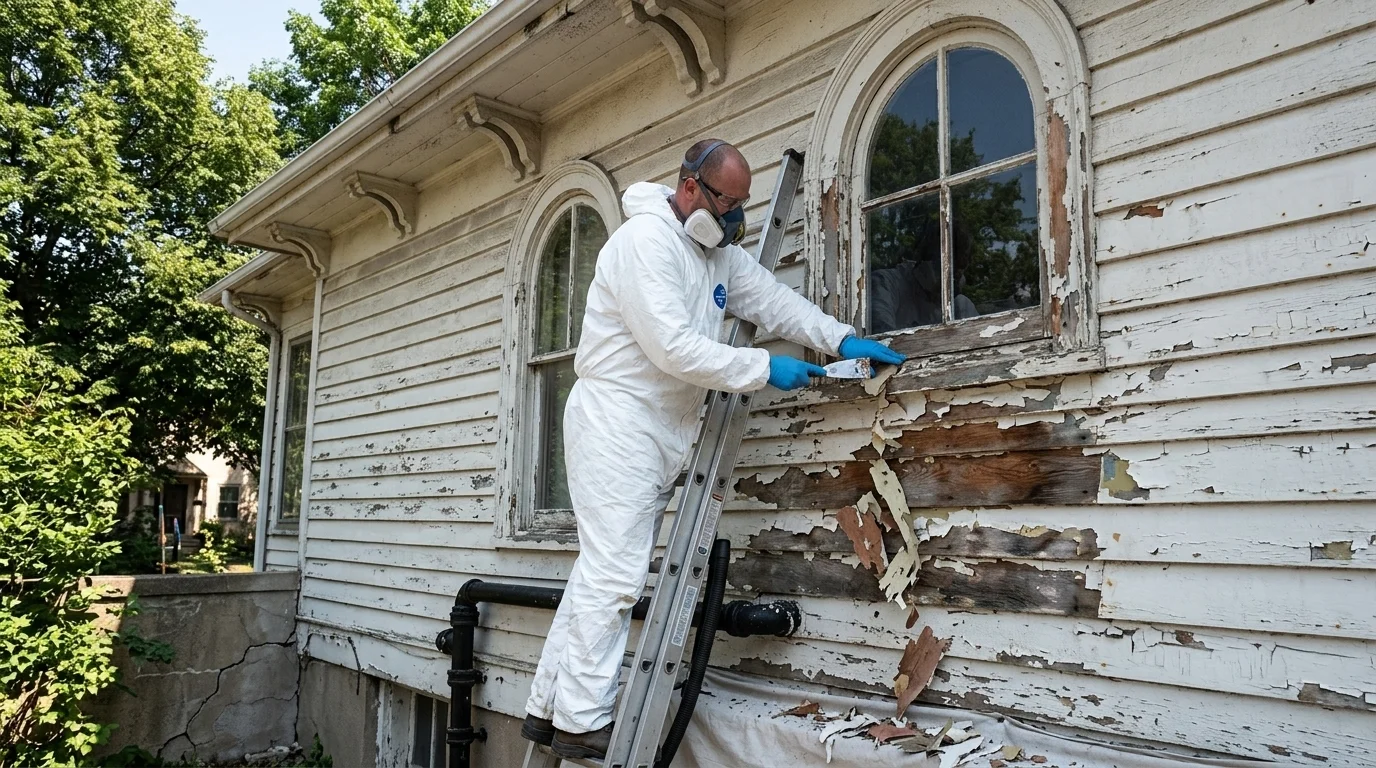
The USDA's Natural Resources Conservation Service is funding the cleanup through its Emergency Watershed Protection Program, which helps communities recover from disasters that damage streams, channels, and floodplains. The May 26, 2024 tornado left debris choking local waterways, a condition that raises flood risk, degrades water quality, and threatens downstream property if left unaddressed.
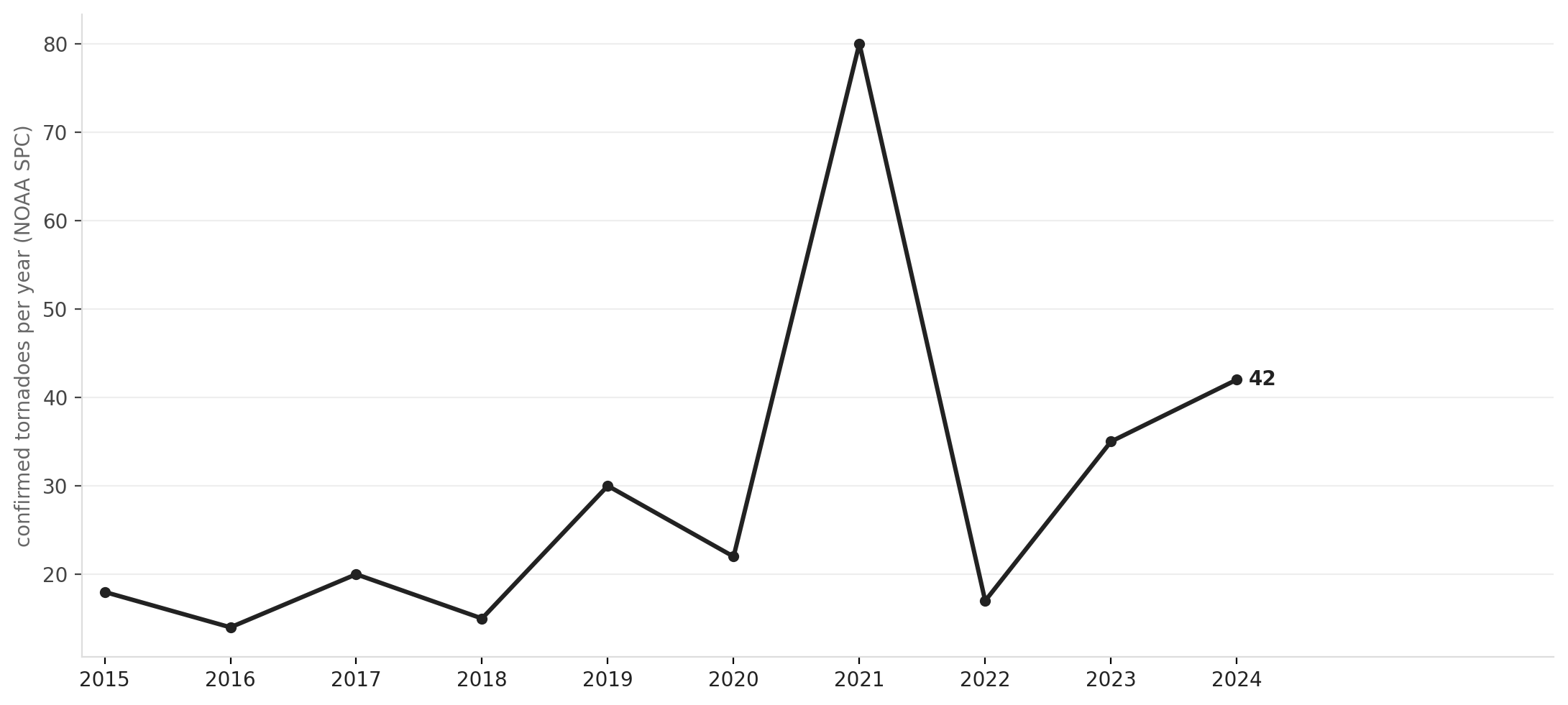
Christian County, home to roughly 72,000 people in western Kentucky's Pennyrail region, sits squarely in what meteorologists call "Dixie Alley," a stretch of the South and lower Midwest that rivals the traditional Great Plains tornado belt for storm frequency and lethality. The region's vulnerability came into devastating focus during the December 2021 outbreak, when a quad-state tornado killed dozens and prompted hundreds of millions in federal disaster aid across western Kentucky. The county seat, Hopkinsville, is also home to infrastructure serving Fort Campbell, the Army installation on the Kentucky-Tennessee border, making watershed health a concern beyond agriculture alone.
Source: NationGraph.
The 14-month gap between the tornado and this award is long, but typical. EWP projects move through local damage assessments, sponsor applications, engineering reviews, and federal approvals before any work begins, and NRCS field offices managing multiple simultaneous disaster responses often face significant backlogs. A 2023 USDA inspector general report flagged slow EWP delivery times and recommended reforms to speed the process. Similar federal watershed grants have funded debris removal in nearby Greenville, Kentucky following tornado damage, reflecting the scale of the storm recovery challenge facing western Kentucky as a whole.
Under the program's standard cost-sharing structure, the federal government covers 75% of construction costs, with the remaining 25% falling to a local sponsor, typically the county government or a soil and water conservation district. For a county with a modest tax base, that local match is a real financial commitment.
The specific dollar amount of this award was not disclosed in the public record. As the project moves into implementation, residents and downstream communities can expect debris removal and watershed stabilization work to follow.