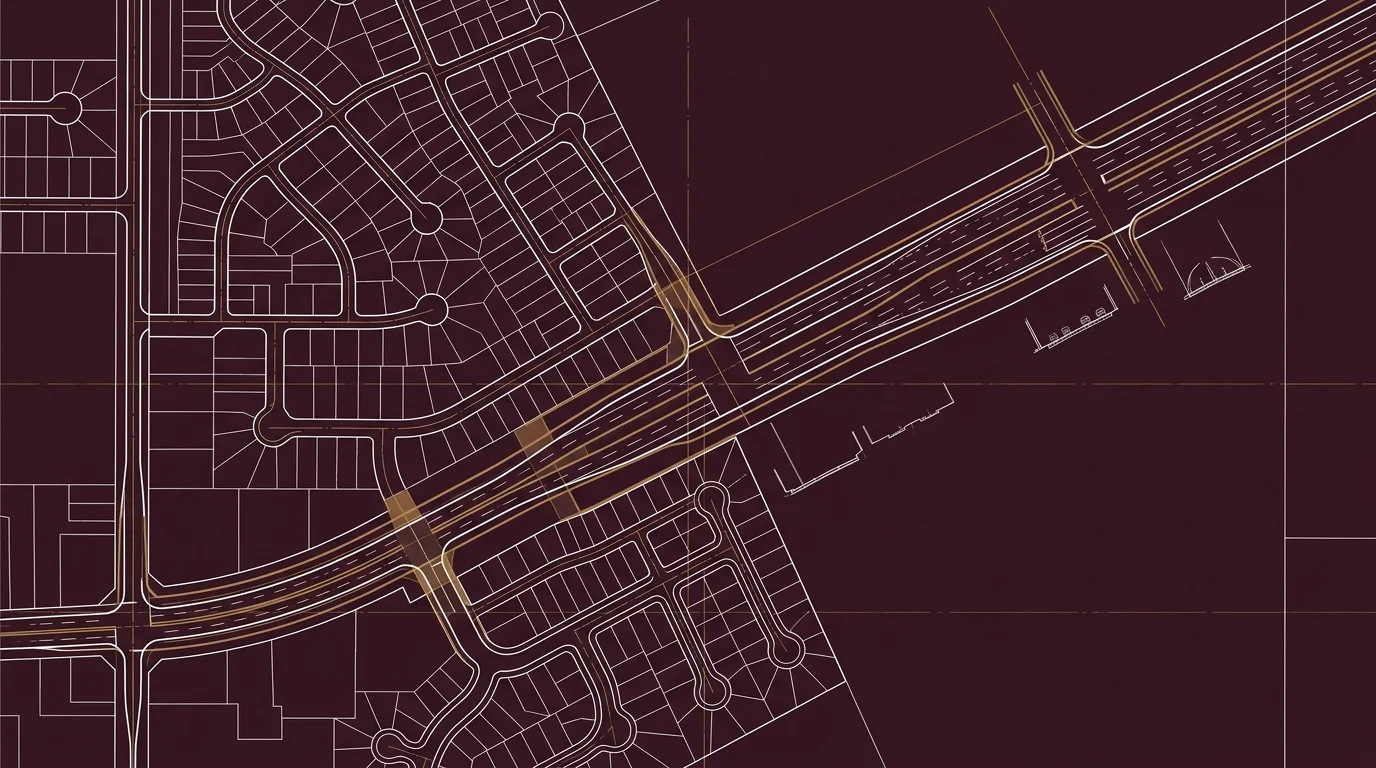
Neola, a rural community of roughly 500 to 700 people in Duchesne County, Utah, is moving forward with a comprehensive overhaul of its water system, replacing pipes so old and undersized they fall far short of what modern standards require.
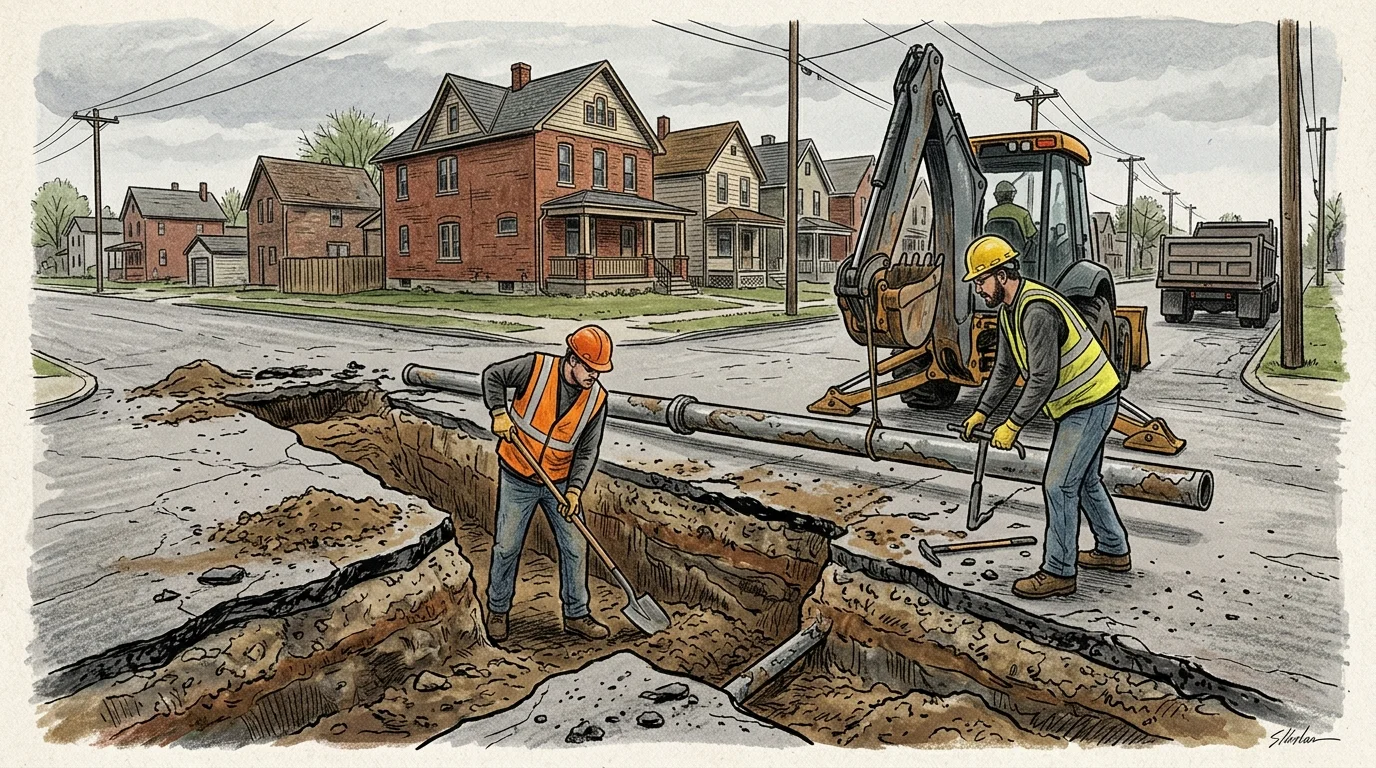
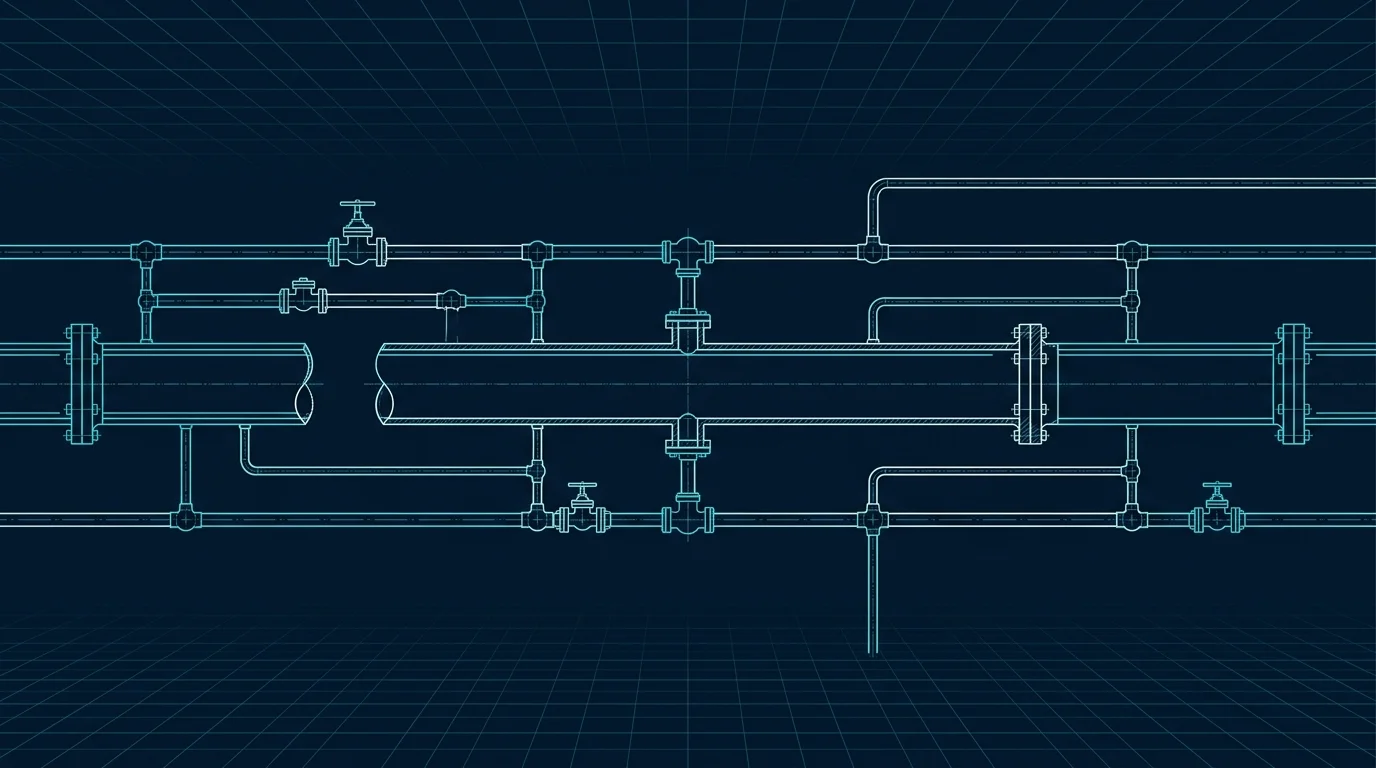
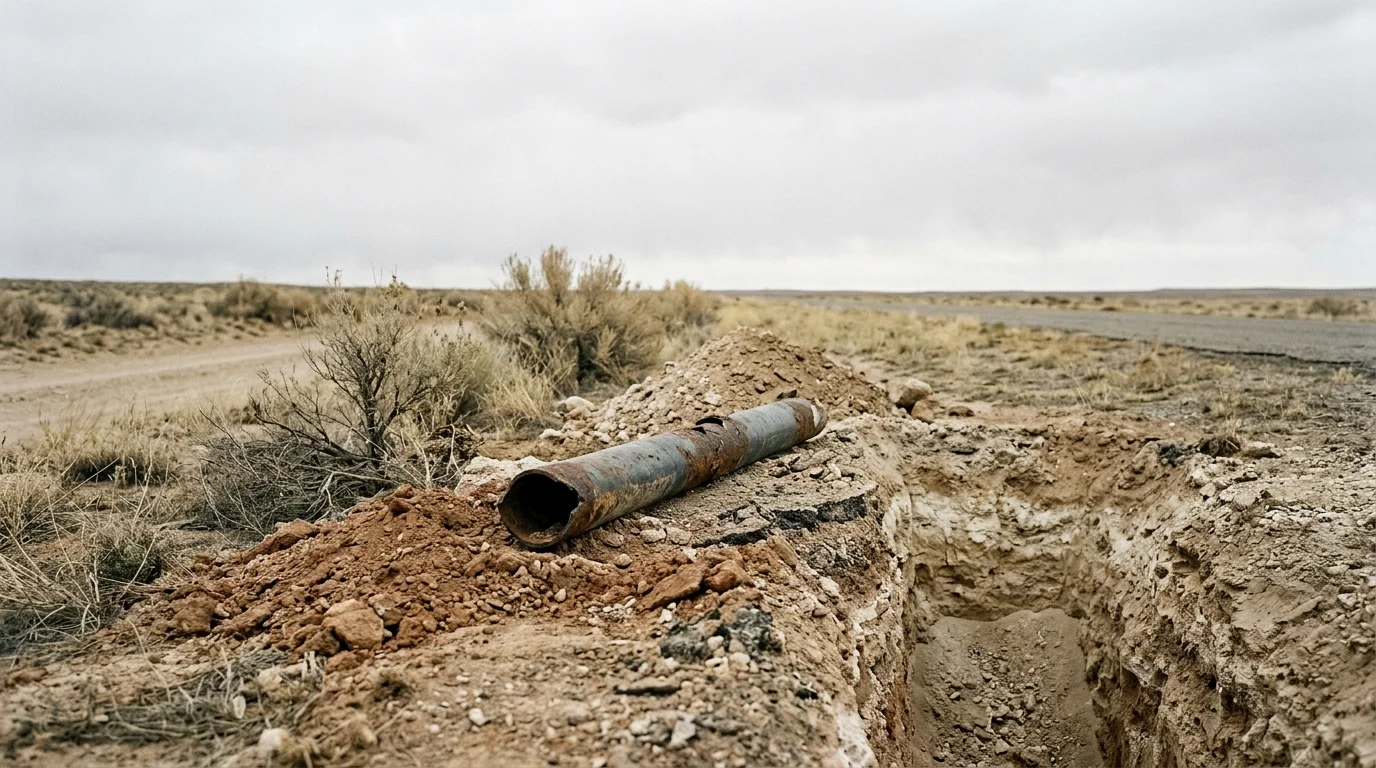
The Neola Water & Sewer District is replacing approximately 13,500 linear feet, about 2.5 miles, of distribution mains throughout town. Some of the pipes being pulled out measure just 1.5 inches in diameter, a fraction of the 6-to-8-inch minimum that current engineering standards call for. Alongside the pipe replacements, the project includes equipping a new water well with a submersible pump, replacing aging water meters and service connections, and boring under a canal and roads to route the new lines.
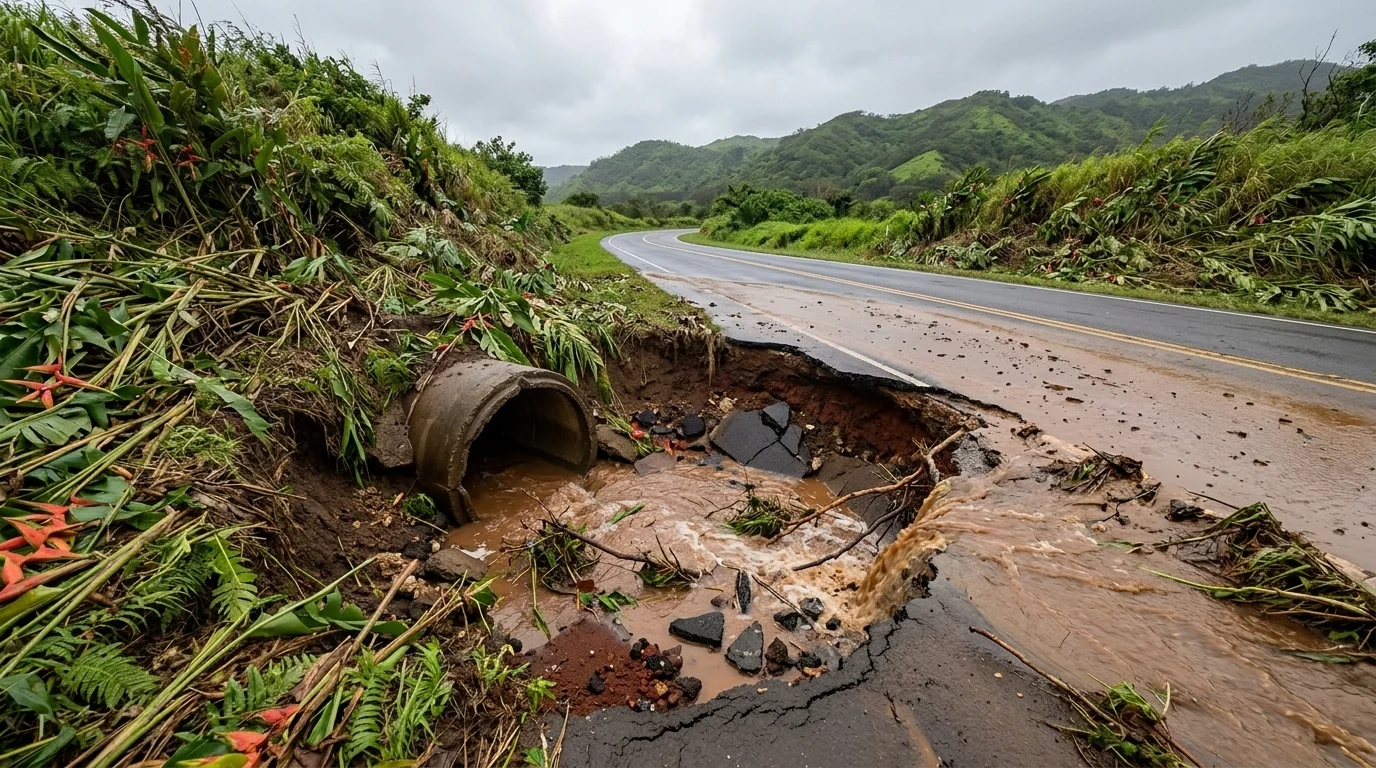
The consequences of letting the system deteriorate this long are real. Pipes that narrow and that old lose far more water through leaks than they deliver, meaning the system has been pumping substantially more water than residents actually receive. The new well addresses what appears to be a supply reliability problem on top of the distribution issues.
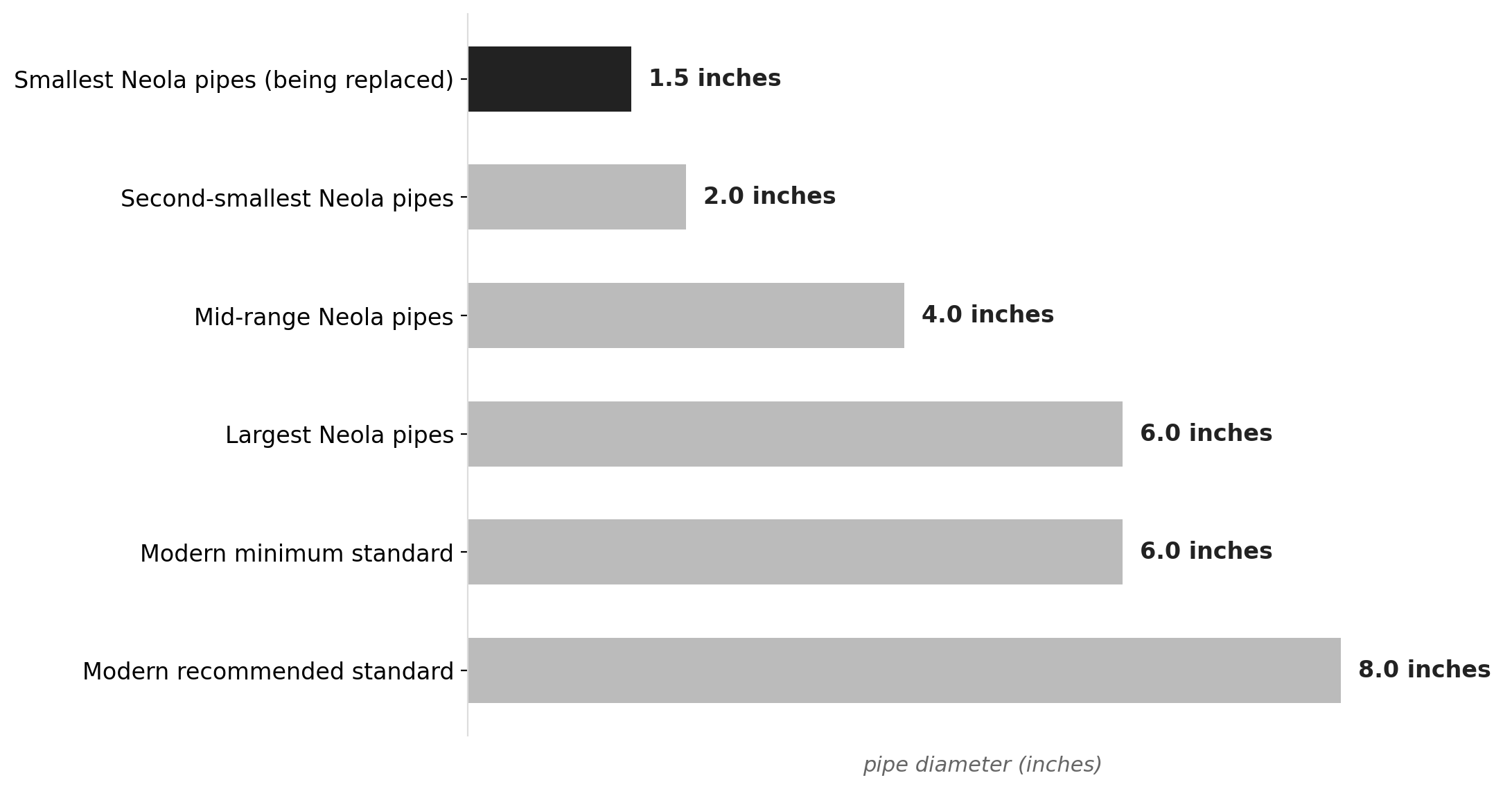
Source: NationGraph.
Funding is coming from two sources that have long served as lifelines for rural Utah communities: Utah's Division of Drinking Water, which channels federal Safe Drinking Water Act dollars boosted significantly by the 2021 Bipartisan Infrastructure Law, and the Community Impact Board, which distributes royalties from oil and gas production on federal lands back to affected communities in eastern Utah. Duchesne County, sitting atop the Uinta Basin's substantial energy reserves, has relied on CIB funding for decades. For a community with Neola's small tax base, that combination of state and federal money makes a project of this scale possible in a way that local water rates alone never could.
Construction is expected to begin in July 2026, with the full project targeted for completion by the end of the year. The project is listed on the Sunrise Engineering plan room, where contractors can review bid documents.
Once work begins, residents should expect several months of disruption to streets and service connections as crews work through the system. The question is whether the project finishes on schedule before winter conditions in the high-elevation Uinta Basin complicate construction.