Some of America's rarest wildlife, including a butterfly found almost nowhere else on Earth, lives alongside paratroopers and special operations forces on a 161,000-acre Army base in the Sandhills of North Carolina. Keeping those species healthy is now the subject of a new contracting effort led by Auburn University.
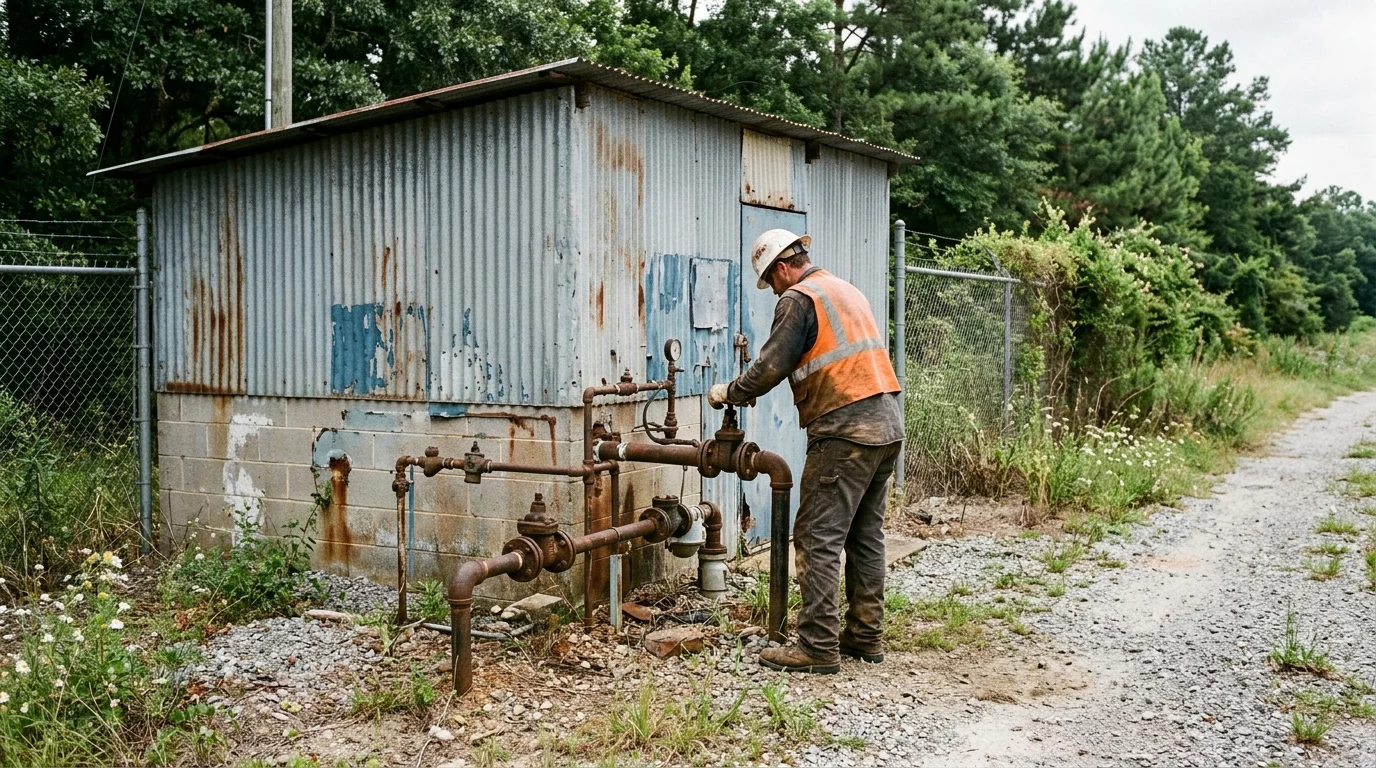
Auburn, based in Alabama, is seeking a service provider to carry out protection and restoration work for endangered species sites at Fort Liberty, the sprawling installation formerly known as Fort Bragg that serves as home to the 82nd Airborne Division and U.S. Army Special Operations Command. The university posted the solicitation on March 25, though it did not disclose the contract's dollar value or specify which species the work will target.
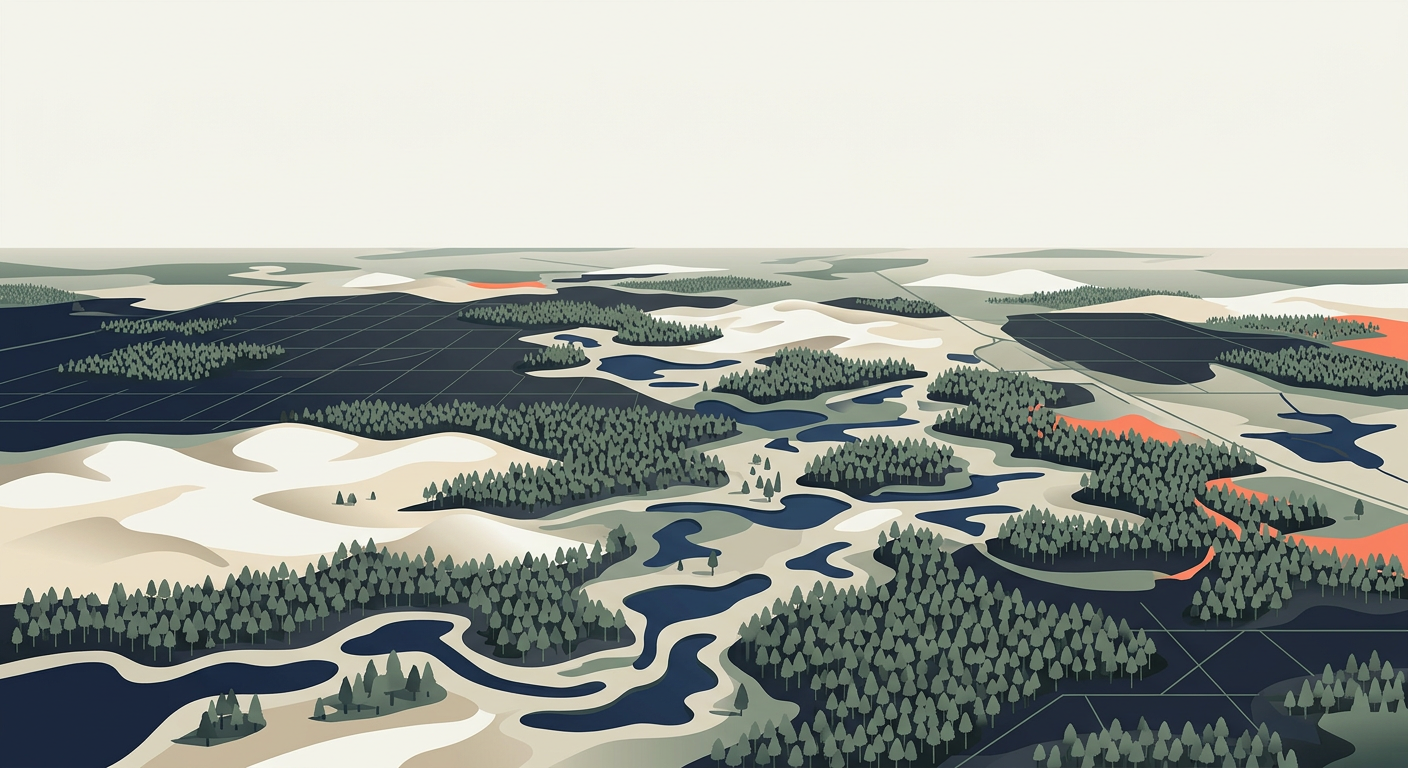
The likely focus is the base's longleaf pine ecosystem and the rare creatures that depend on it. Fort Liberty harbors one of the two largest populations of the red-cockaded woodpecker, a bird that nests exclusively in mature pine trees. The installation is also the primary refuge for the Saint Francis' satyr butterfly, one of the rarest in the world, which thrives in wetland areas created, ironically, by artillery impacts.
The project reflects a well-established but little-known pipeline between the Pentagon and research universities. The Department of Defense manages more land than any federal agency except the Interior Department and Forest Service, with over 500 federally listed species living on military installations nationwide. Under the Sikes Act, every base must develop a natural resources management plan in cooperation with the U.S. Fish and Wildlife Service. Fort Liberty's plan has been considered a national model.
The logic is straightforward: if endangered species decline on a base, the Endangered Species Act can trigger restrictions that limit where and how soldiers train. Proactive conservation keeps the ranges open. Programs like the Pentagon's Readiness and Environmental Protection Integration initiative have channeled hundreds of millions of dollars into this work across the country.
Auburn University's School of Forestry and Wildlife Sciences has long partnered with the military on exactly this kind of ecological management across southeastern bases, providing scientific expertise and field crews that the Army itself does not maintain in-house. Defense funding flows to the university through cooperative agreements, and Auburn then contracts out specialized fieldwork.
The longleaf pine savanna that dominates Fort Liberty once blanketed 90 million acres of the Southeast. Today, only about 3 to 5 million acres remain. Restoring this fire-dependent ecosystem, primarily through prescribed burns and invasive species removal, has been a regional conservation priority since the launch of the America's Longleaf Restoration Initiative in 2009.
Fort Liberty's conservation track record offers reason for optimism. The base's red-cockaded woodpecker population has more than doubled since the late 1990s, growing from roughly 238 breeding clusters to over 500. Still, the tension between expanding training demands at one of the military's busiest installations and the ecological needs of fragile species remains an ongoing challenge. Details on the scope, timeline, and budget for the new restoration work have not yet been released.