Starkville, Mississippi is pushing its small municipal airport into a new era, moving the runway extension project at George M. Bryan Field into full construction with paving and lighting work set to begin.
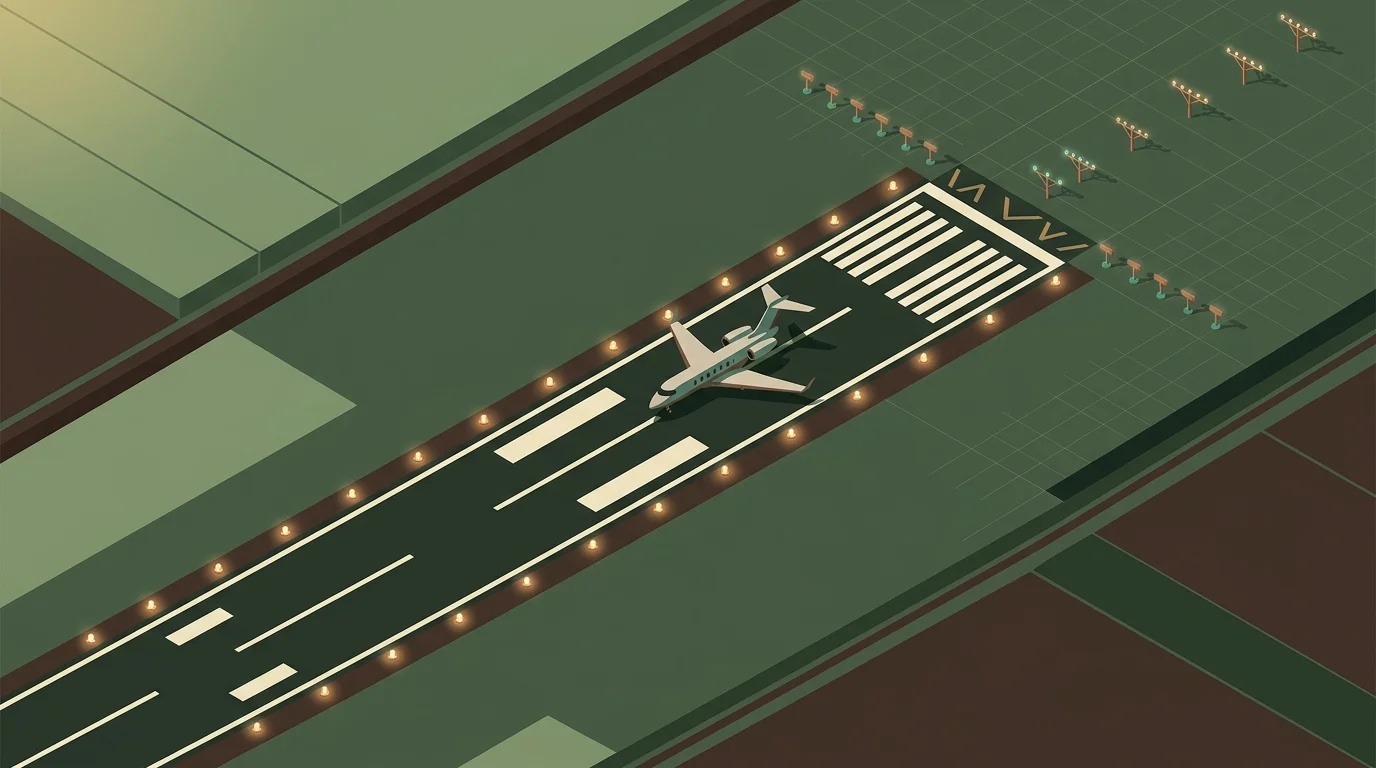
The project focuses on Runway 18/36, the airport's primary north-south runway. Phase II covers the core construction work: preparing the subgrade, laying the base course, paving the extended runway surface, and upgrading the lighting system. The lighting improvements are expected to bring the airport in line with FAA standards for energy-efficient LED runway and approach lights, making night operations safer and cheaper to maintain.
The exact cost of Phase II has not been publicly disclosed in available project documents, but airport improvement projects of this scope typically run into the millions and draw heavily on FAA Airport Improvement Program grants. Federal funding for small airports has expanded significantly since the 2021 Bipartisan Infrastructure Law directed $15 billion into the AIP, with a specific focus on general aviation and non-hub airports that had gone underfunded for decades.
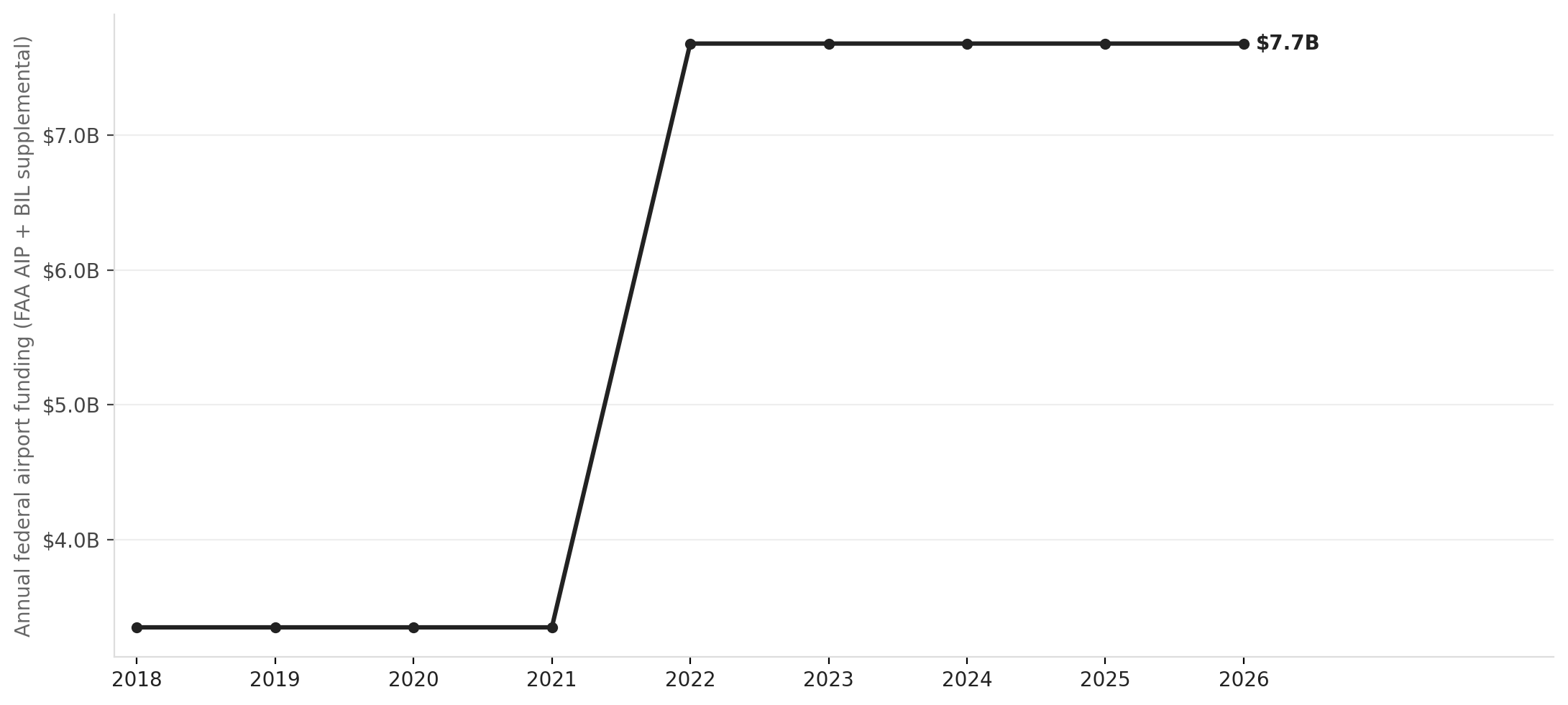
Source: NationGraph.
For Starkville, home to Mississippi State University and its roughly 23,000 students, the stakes go beyond basic maintenance. George M. Bryan Field handles no commercial airline service, but it punches above its weight as a gateway for SEC athletics charters, corporate jets tied to the university's research park, and industrial aviation serving the broader Golden Triangle region. A longer, more capable runway means heavier aircraft can operate safely, opening the door to the kind of traffic that currently bypasses the airport for larger facilities.
The Golden Triangle, which includes Starkville, Columbus, and West Point, has been drawing serious industrial investment in recent years, and local economic developers frequently point to airport capacity as a factor in site selection decisions. Mississippi State's own research enterprise, classified as a top-tier R1 research university, generates a steady stream of visiting scientists, corporate partners, and university officials who depend on reliable regional aviation access.
Phase I of the runway project handled earlier groundwork. With construction contractors now being sought through the city's project portal, Phase II represents the visible, physical transformation of the airport. How quickly work gets underway will depend on contractor selection and any coordination required with state aviation officials at the MDOT Aeronautics Division.