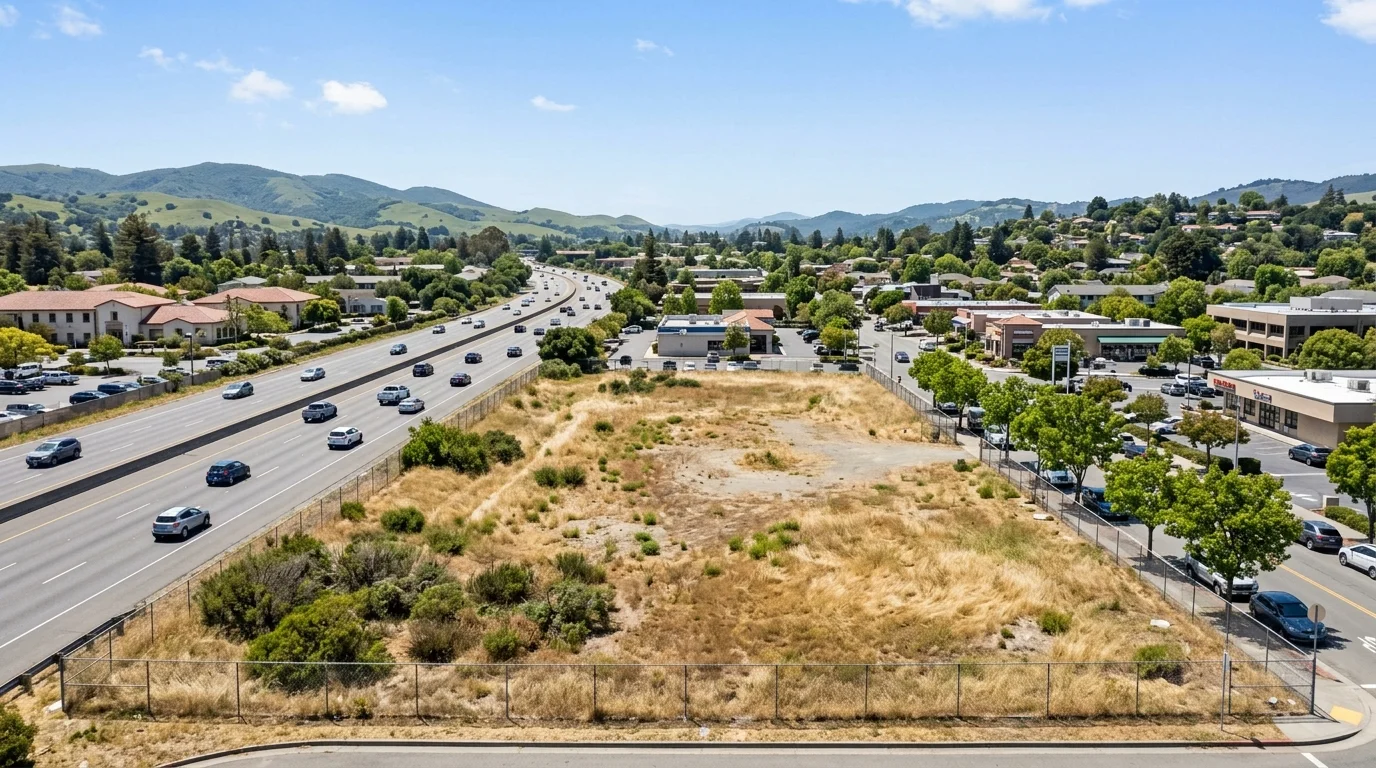
San Rafael, California is opening up a city-owned property near the Marin Civic Center for affordable housing development, a move that signals how seriously the Marin County seat is taking a state-imposed mandate to dramatically expand its housing stock.
The parcel at 350 Merrydale Road/3833 Redwood Highway sits along the Highway 101 corridor, an area San Rafael has identified as a key growth opportunity. The city has posted an RFP inviting developer proposals, with submissions due May 1, 2026. Specific unit counts and affordability targets are expected to be detailed in the full solicitation document.
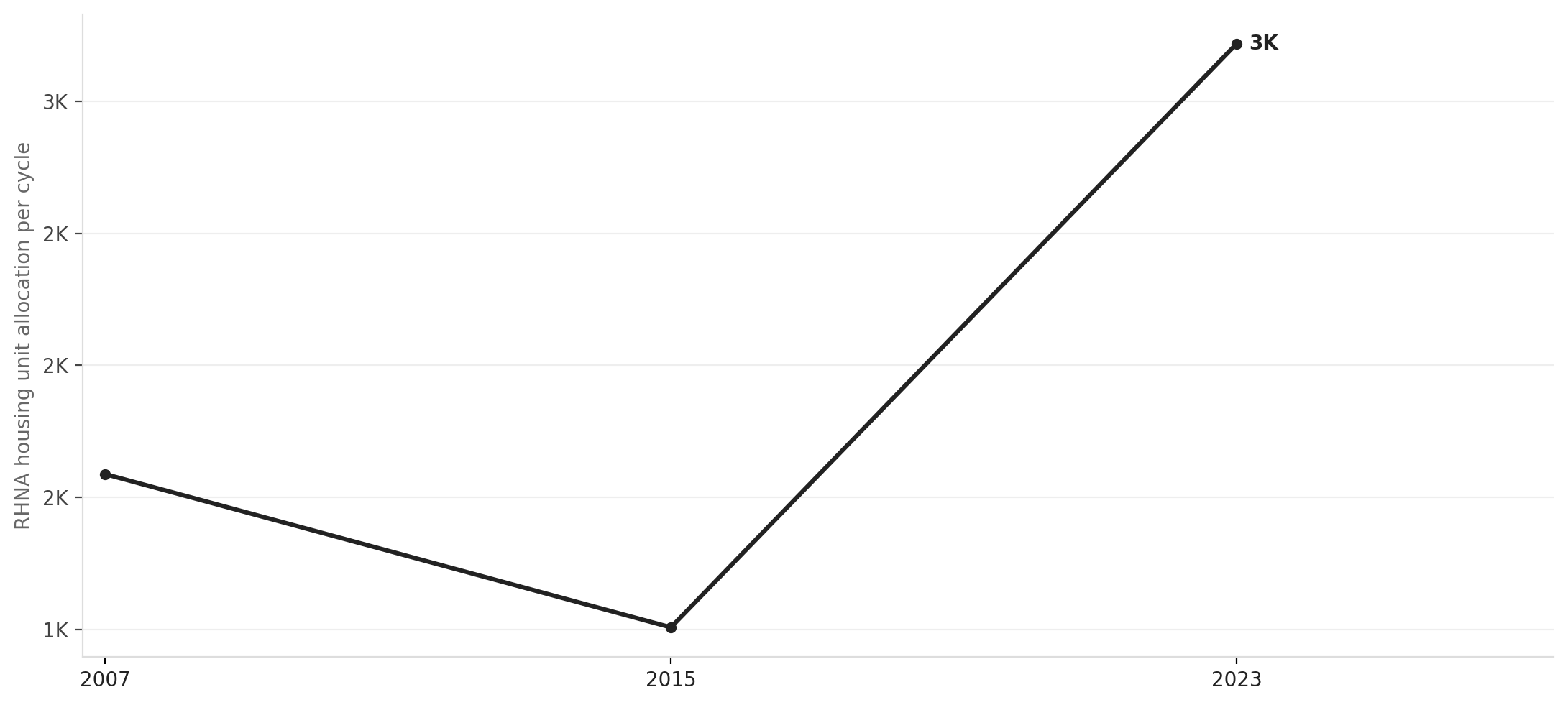
The stakes behind the move are significant. California has assigned San Rafael a target of roughly 3,220 new homes for the 2023-2031 planning cycle, more than triple its previous target of around 1,007 units. For a city of about 62,000 people in one of the wealthiest counties in the Bay Area, where median home prices exceed $1 million, that kind of production requires creative strategies.
Source: NationGraph.
Offering city-owned land is one of the most effective tools available. Land acquisition typically accounts for 20 to 40 percent of total project costs in expensive California markets, so removing that barrier makes affordable projects far more financially viable for developers. The approach has spread to cities across the state, from San Jose to Sacramento, as RHNA targets have tightened.
The timing is still challenging. Developers who respond will need to piece together complex financing arrangements involving state housing programs, federal tax credits, and county housing funds at a moment when construction costs remain elevated and interest rates have only recently begun to ease.
Marin County has faced longstanding criticism for exclusionary land use practices that kept affordable housing scarce for decades, leaving many lower-income workers, including a substantial Latino population in San Rafael's Canal neighborhood, severely cost-burdened. San Rafael's willingness to put its own land into play is a notable shift, though community resistance to density has historically complicated even modest projects.
Developers have until May 1 to submit proposals. How many viable bids the city attracts will be an early test of whether public land can move the needle in one of California's most expensive and politically resistant housing markets.