Muhlenberg County, Kentucky is finally getting federal help to clear tornado debris from its waterways, more than 13 months after a tornado tore through the western Kentucky county on May 26, 2024.
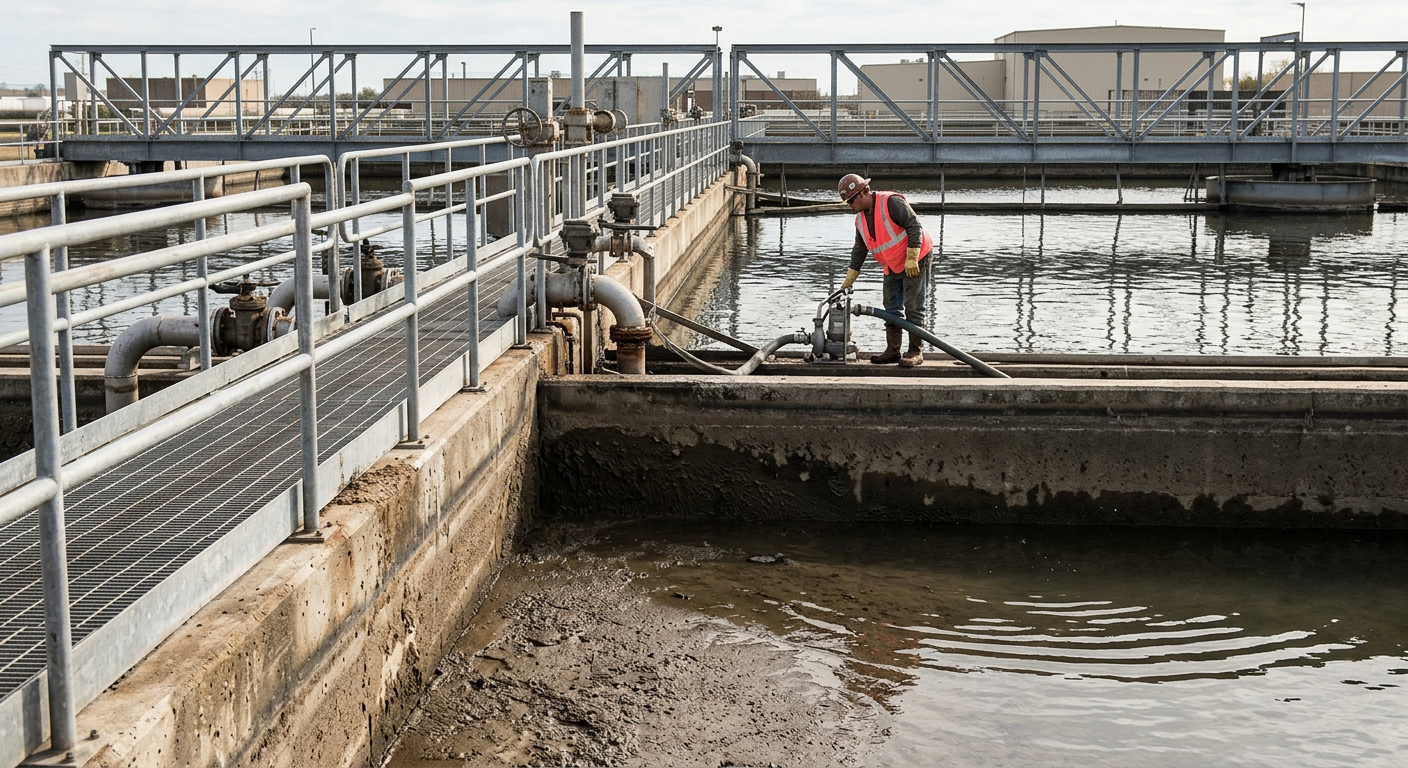
The funding comes through the USDA's Emergency Watershed Protection Program, administered by the Natural Resources Conservation Service. The program pays for debris removal from streams, stabilization of eroding banks, and restoration of damaged infrastructure that protects water quality and prevents downstream flooding. When tornadoes down trees and scatter debris into waterways, the resulting logjams and destabilized banks can back up water and cause flooding long after the storm itself has passed.
Muhlenberg County sits in the rolling hills of western Kentucky's coal country, where streams and creeks drain into the Green River system. That topography makes watershed damage from severe storms especially consequential for downstream communities.
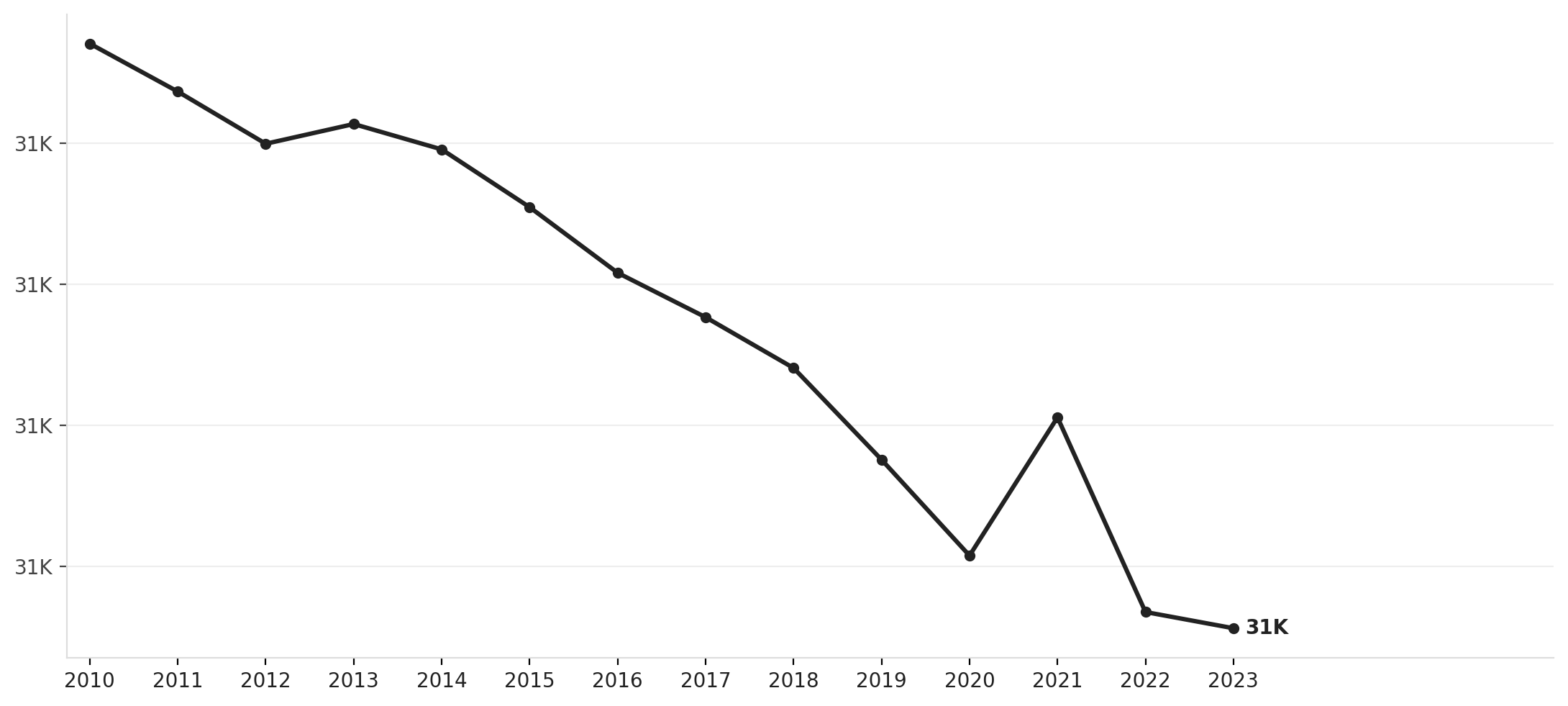
Source: U.S. Census Bureau, American Community Survey.
The 13-month gap between disaster and funding is not unusual for this program. Before dollars can be obligated, USDA requires damage surveys, site assessments, engineering reviews, environmental compliance checks, and cost-sharing agreements to be finalized. The county, like most local sponsors, is responsible for covering 25% of construction costs, a significant burden for a rural community where the poverty rate already exceeds state and national averages and where decades of coal industry decline have steadily eroded the local tax base.
Kentucky has been through an extraordinary stretch of disasters. The December 2021 tornado outbreak killed 77 people statewide, and catastrophic flooding in eastern Kentucky in July 2022 killed 44 more. That repeated cycle of destruction has strained both state and local recovery capacity. Similar federal watershed recovery grants have gone to Hopkins County and Christian County in Kentucky following tornado events, reflecting how broadly the region has been affected.
Climatologists have documented a shift in peak tornado activity away from the traditional Great Plains toward the Southeast and lower Ohio Valley, a zone sometimes called "Dixie Alley" that includes western Kentucky. If that trend continues, communities like Muhlenberg County can expect more of these events, and more waits for recovery funds to follow.