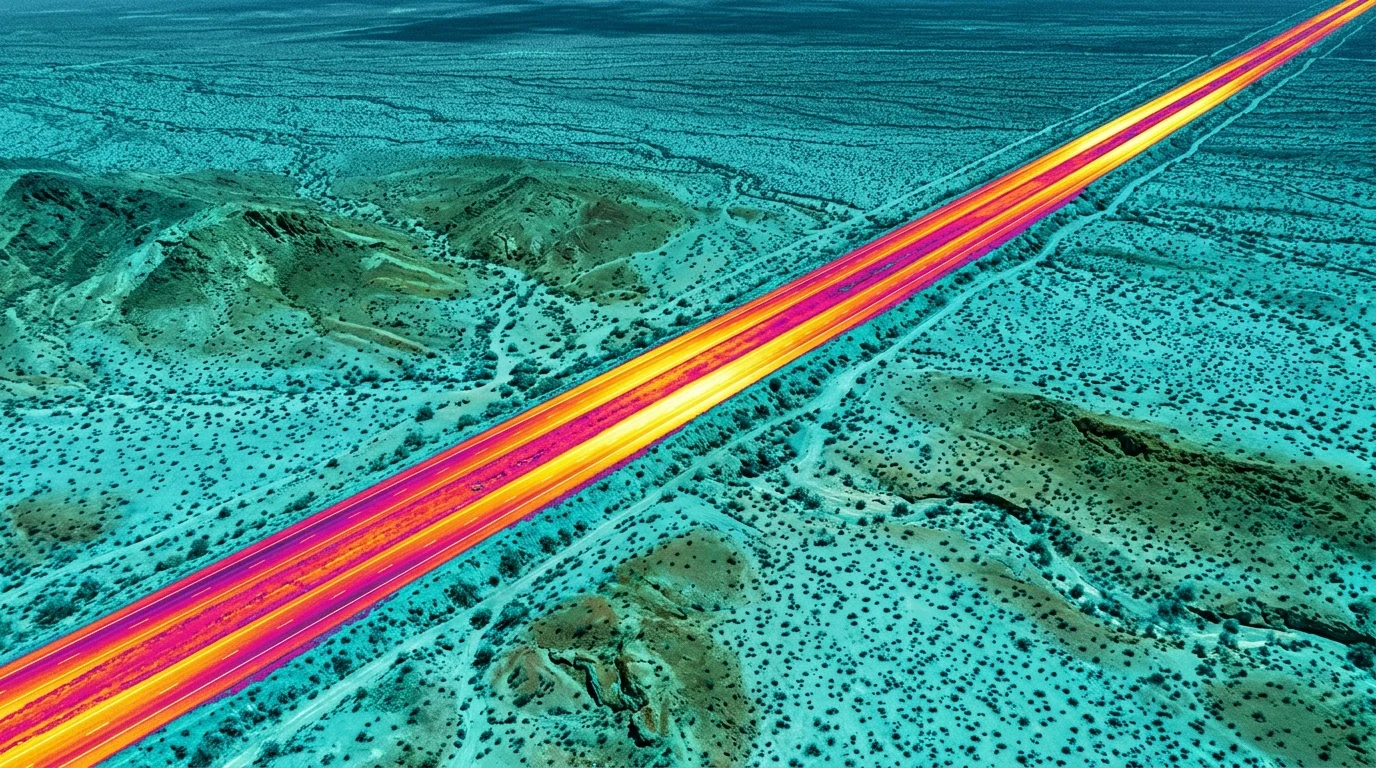
A punishing stretch of Interstate 10 at Arizona's western edge, where summer temperatures routinely top 115°F and heavy freight trucks roll through around the clock, is getting $11 million in federal repairs.
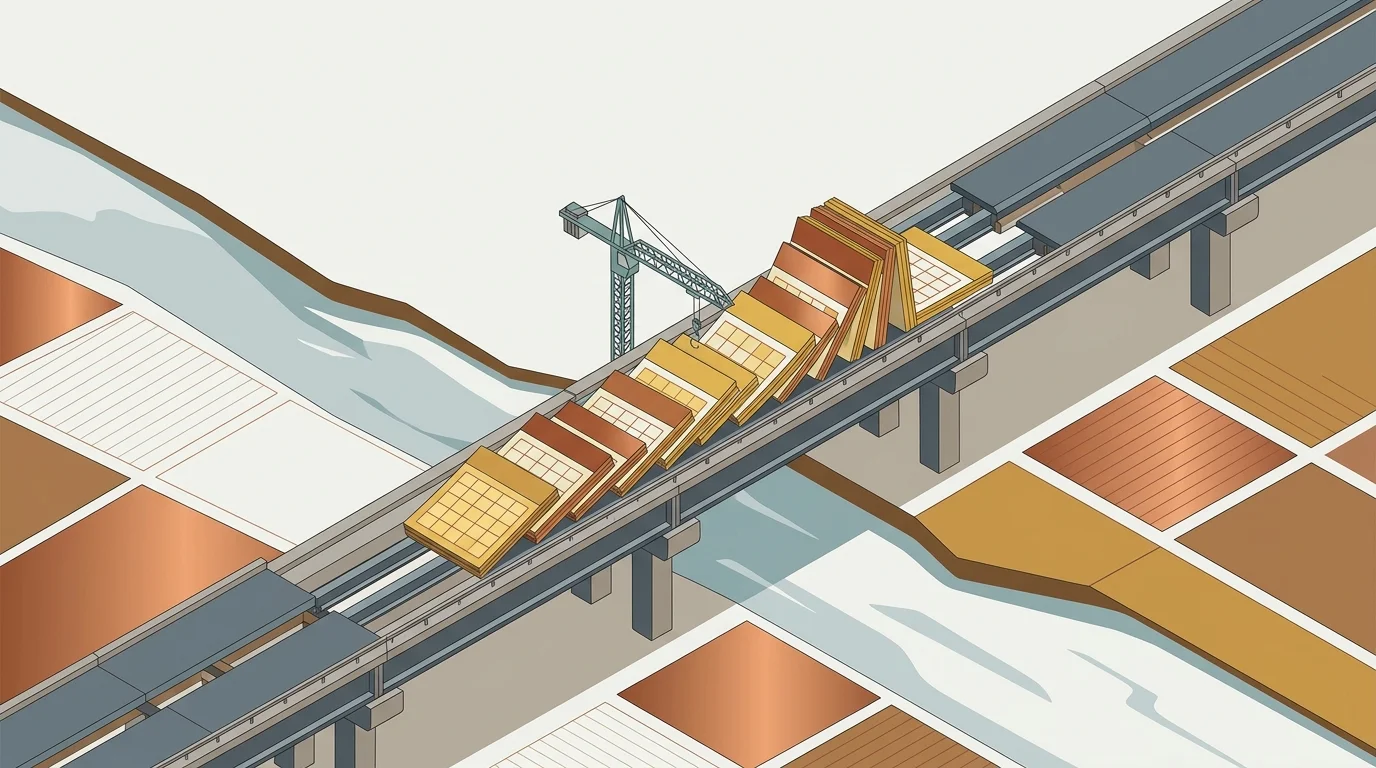
The funding, awarded through the Surface Transportation Block Grant Program, will pay for pavement rehabilitation on I-10 between the California state line and Dome Rock Road, near the small border community of Ehrenberg in La Paz County. The work involves milling down the existing road surface, resurfacing it, and repairing the underlying base where needed, a treatment that can extend a highway's life by 10 to 15 years without the cost of full reconstruction.
The stakes are significant. This segment of I-10 is one of the main arteries linking Phoenix to Los Angeles and carries a heavy load of commercial freight moving between the ports of Los Angeles and Long Beach and markets across the Sun Belt. Agricultural goods from California's Imperial Valley, e-commerce shipments, and consumer products all move through this corridor. Truck volumes have grown steadily over the past two decades alongside population growth in Arizona, now the second-fastest-growing state in the country.
The desert environment makes the wear especially destructive. Extreme heat causes pavement to expand, contract, rut, and crack far faster than in cooler climates, and Arizona's roads have struggled for years with deferred maintenance. The American Society of Civil Engineers has given Arizona's roads a D+ rating, estimating that deteriorated road conditions cost state drivers billions annually in extra vehicle wear and fuel.
For Ehrenberg itself, a community of roughly 1,500 people whose economy depends almost entirely on I-10 traffic, the highway is everything. La Paz County, one of Arizona's smallest and poorest, has little local tax base to fund infrastructure on its own. The nearby town of Quartzsite draws hundreds of thousands of visitors each winter for gem and mineral shows, and all of that traffic flows over the same pavement.
Arizona's gas tax, fixed at 18 cents per gallon since 1991, has lost substantial purchasing power as construction costs have risen, making federal grants like this one increasingly essential for keeping the state's highway system in working condition. The grant flows from the Bipartisan Infrastructure Law signed in 2021, which provided roughly $72 billion for the Surface Transportation Block Grant program over five years.
Arizona DOT, which will administer the project, has prioritized preservation of existing highways in its long-range planning, and this rehabilitation fits that approach. A construction timeline has not been publicly announced.