Dangerous open mine shafts, toxic acid drainage, and land that can suddenly collapse underfoot: these are the leftovers of Colorado's coal mining era, and nearly $10 million in federal money is now headed to the state to start cleaning them up.
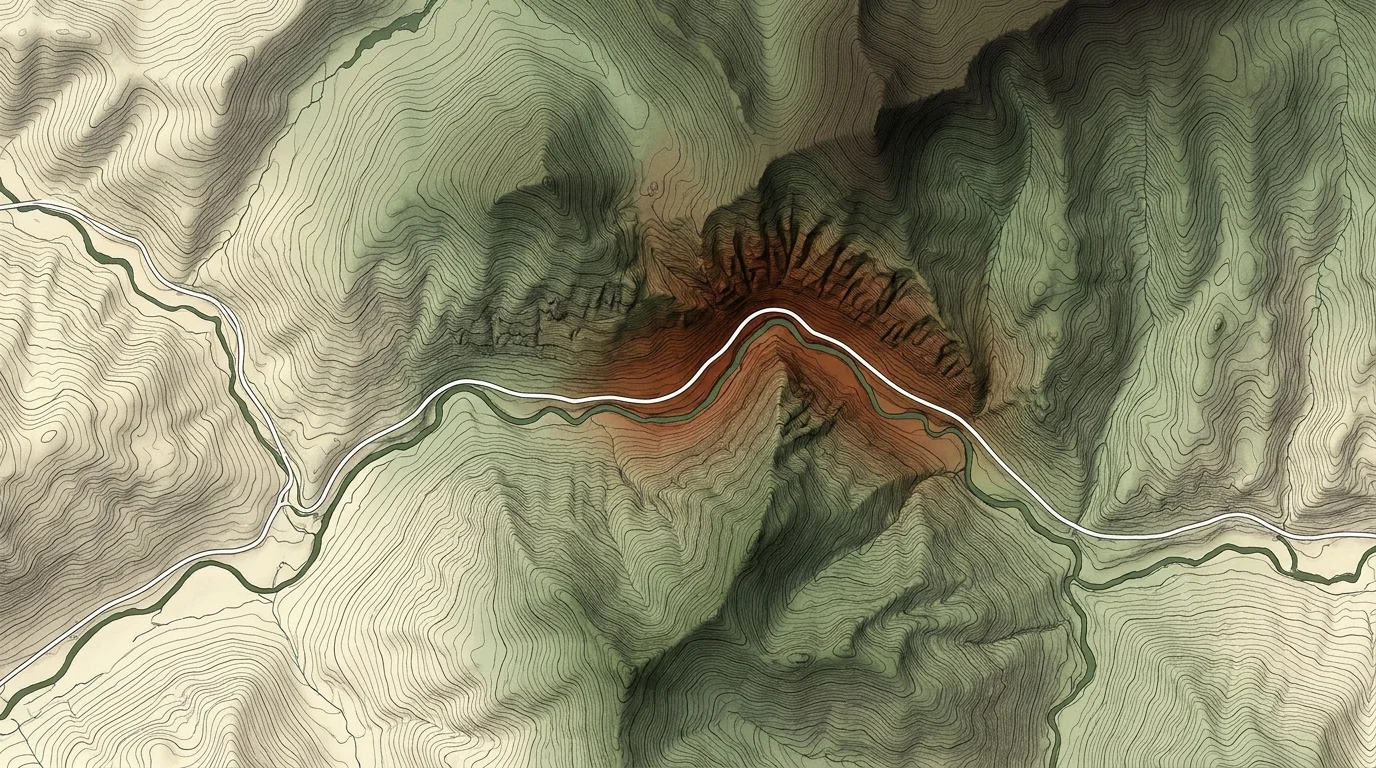
The U.S. Department of the Interior has awarded Colorado $9,961,913 for its fiscal year 2025 round of abandoned mine land reclamation, part of a 15-year, $11.3 billion national program created by the 2021 Infrastructure Investment and Jobs Act. Colorado's share will go toward reclaiming coal mine hazards including crumbling highwalls, unstable ground prone to subsidence, open portals, waste piles, and streams contaminated by acid mine drainage.
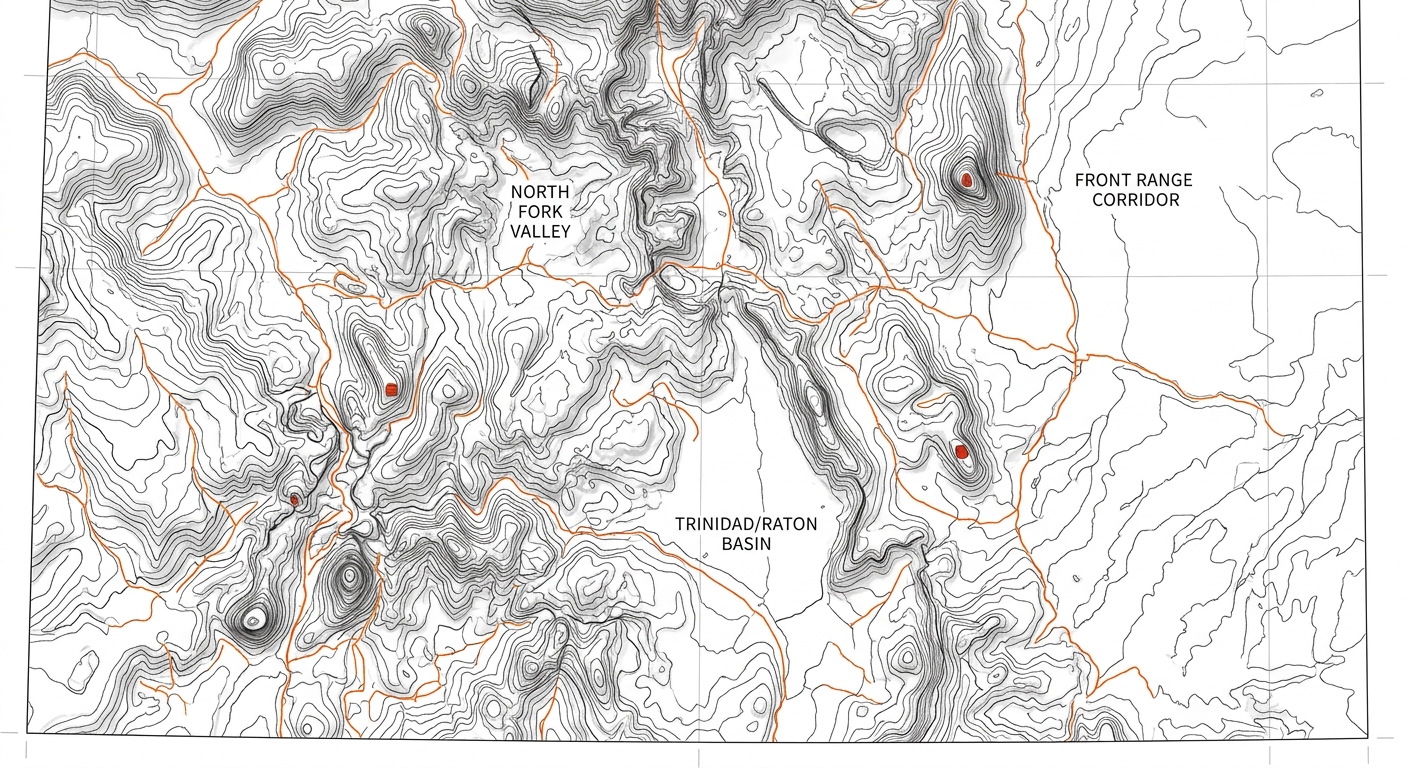
The need runs deep. Colorado's coal mining history stretches back to the 1860s, with major operations concentrated in the North Fork Valley of the Western Slope, the Trinidad and Raton Basin area of southern Colorado, and the Boulder-Weld county corridor along the Front Range. When those mines closed over the course of the 20th century, many operators simply walked away, leaving behind hazards that remain dangerous today. Southern Colorado's former coal communities around Trinidad are among the state's poorest, and the North Fork Valley lost hundreds of mining jobs when operations shut down in the 2010s.
The federal program explicitly encourages Colorado to prioritize projects that put former and current coal workers on the cleanup crews, framing mine reclamation as both a safety effort and an economic lifeline for communities still reeling from coal's decline.
Colorado's awareness of abandoned mine hazards extends well beyond coal. The 2015 Gold King Mine spill near Silverton, in which an EPA cleanup crew accidentally released 3 million gallons of toxic water into the Animas River, remains one of the most dramatic examples of what legacy mining can leave behind. That was a hardrock mine, not coal, and IIJA funds are restricted to coal sites, but the disaster underscored just how costly and complicated old mines can be. Similar federal grants have funded coal mine cleanup in states across the region, including a comparable $8.6 million award to Tennessee for work on the Cumberland Plateau.
Before the IIJA passed, the national abandoned mine land program ran on fees collected from active coal producers, generating roughly $200 to $300 million a year, far short of what was needed. OSMRE estimated more than $10 billion in unfunded reclamation needs remained nationally as of 2021. The IIJA's 15-year commitment, distributing about $725 million annually across eligible states and tribes, represented the largest single investment in mine cleanup in U.S. history.
Colorado's Division of Reclamation, Mining and Safety administers the state's AML program and will manage how this installment gets spent. Because state finances are constrained by Colorado's Taxpayer Bill of Rights, which limits how much revenue state government can retain and spend, federal grants like this one carry extra weight in funding work the state couldn't easily cover on its own.
OSMRE publishes annual evaluation reports for each state's program on its website, where residents can track how the money is being used and what sites have been reclaimed.