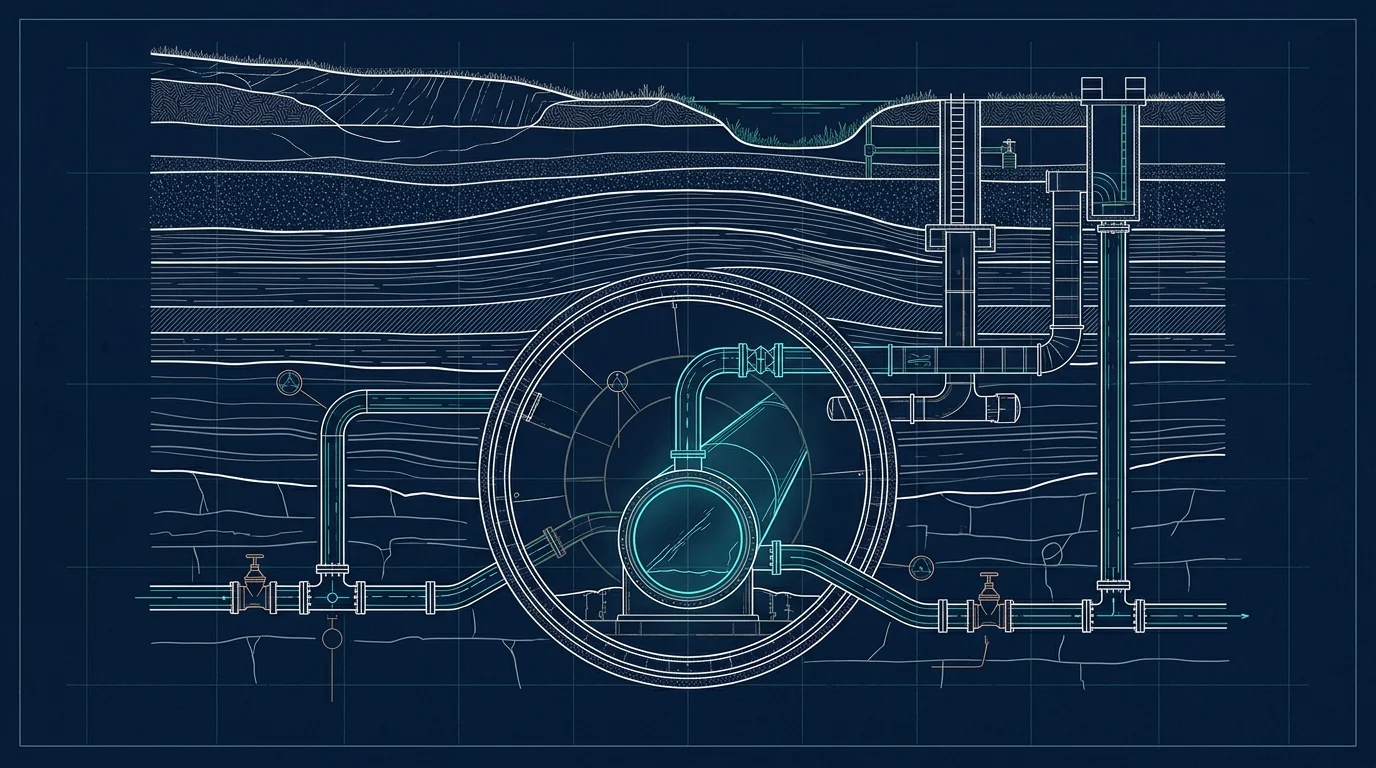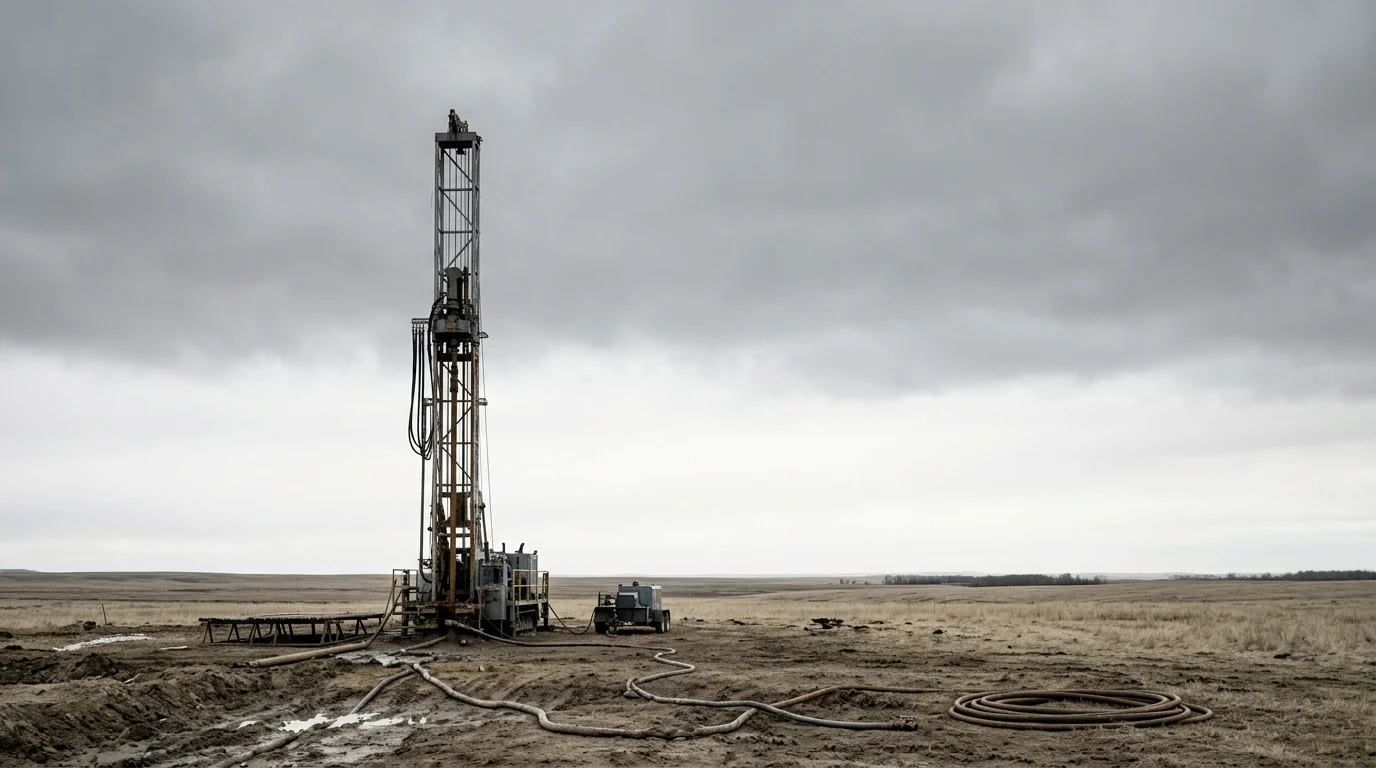
Beneath the streets of suburban Maryland, thousands of miles of sewer pipes built during the postwar boom are quietly failing. The Washington Suburban Sanitary Commission, which provides water and wastewater service to about 1.8 million residents across Prince George's and Montgomery counties, is now moving to replace and rehabilitate a stretch of aging sewer infrastructure along Barnaby Run in Prince George's County as part of its ongoing push to overhaul a system that in many places is 50 to 70 years old.
WSCC Water, known as WSSC, has posted a solicitation for a contractor to handle the Barnaby Run work, which involves a mix of full pipe replacement in the worst sections and rehabilitation where the lines are still salvageable. The project reflects the uncomfortable reality facing the utility: pipes designed for mid-century subdivisions were never meant to last this long, and the consequences of letting them fail further include raw sewage overflows into the streams and rivers that feed the Chesapeake Bay.
That's not a hypothetical risk. WSSC entered into a federal consent decree with the EPA and the Maryland Department of the Environment back in 2005 after chronic sewer overflows violated the Clean Water Act. The utility has been operating under that agreement, and subsequent amendments to it, ever since, directing billions of dollars into repairs that would otherwise have been deferred. The Chesapeake Bay's water quality mandates, established by EPA in 2010, add another layer of regulatory pressure to get the work done.
The scale of the challenge is enormous. WSSC's capital improvement program runs between $700 million and $1 billion annually, with sewer work making up a major share. That spending has to be recovered somewhere, and for residents, it shows up in water and sewer rates that have climbed steadily in recent years, generating pushback from ratepayers and scrutiny from local elected officials. Prince George's County, a majority-Black jurisdiction with household incomes below neighboring Montgomery County, faces particular affordability pressures as those costs mount.
Federal infrastructure funding has provided some relief. The 2021 Bipartisan Infrastructure Law directed roughly $55 billion into water and wastewater systems nationally through EPA's revolving loan programs, and Maryland has drawn significantly on those dollars to help utilities like WSSC finance exactly this kind of work.
The American Society of Civil Engineers gave the nation's wastewater infrastructure a D+ in its most recent report card, estimating the country needs $271 billion in investment over the next 20 years. The Barnaby Run project is one small piece of that larger national backlog, playing out one contract at a time across the suburbs of Washington.