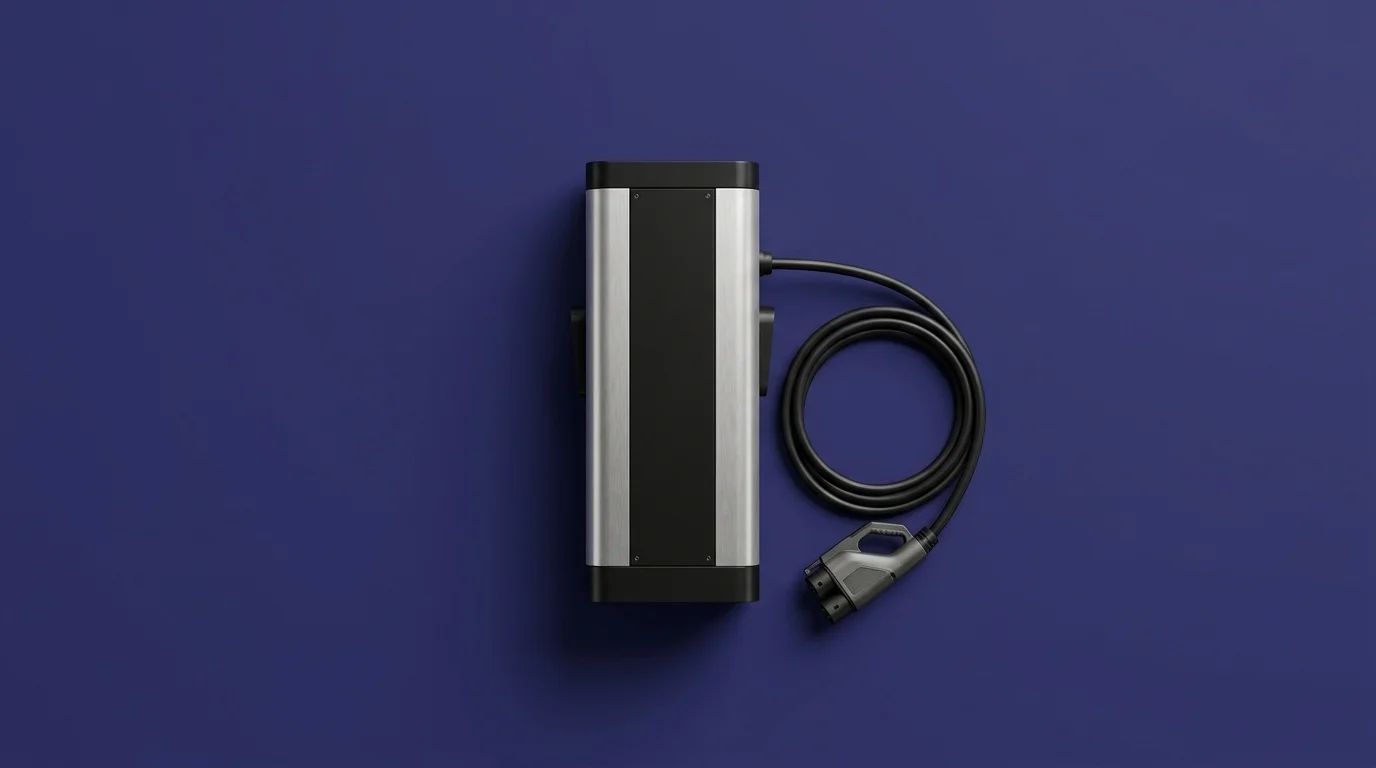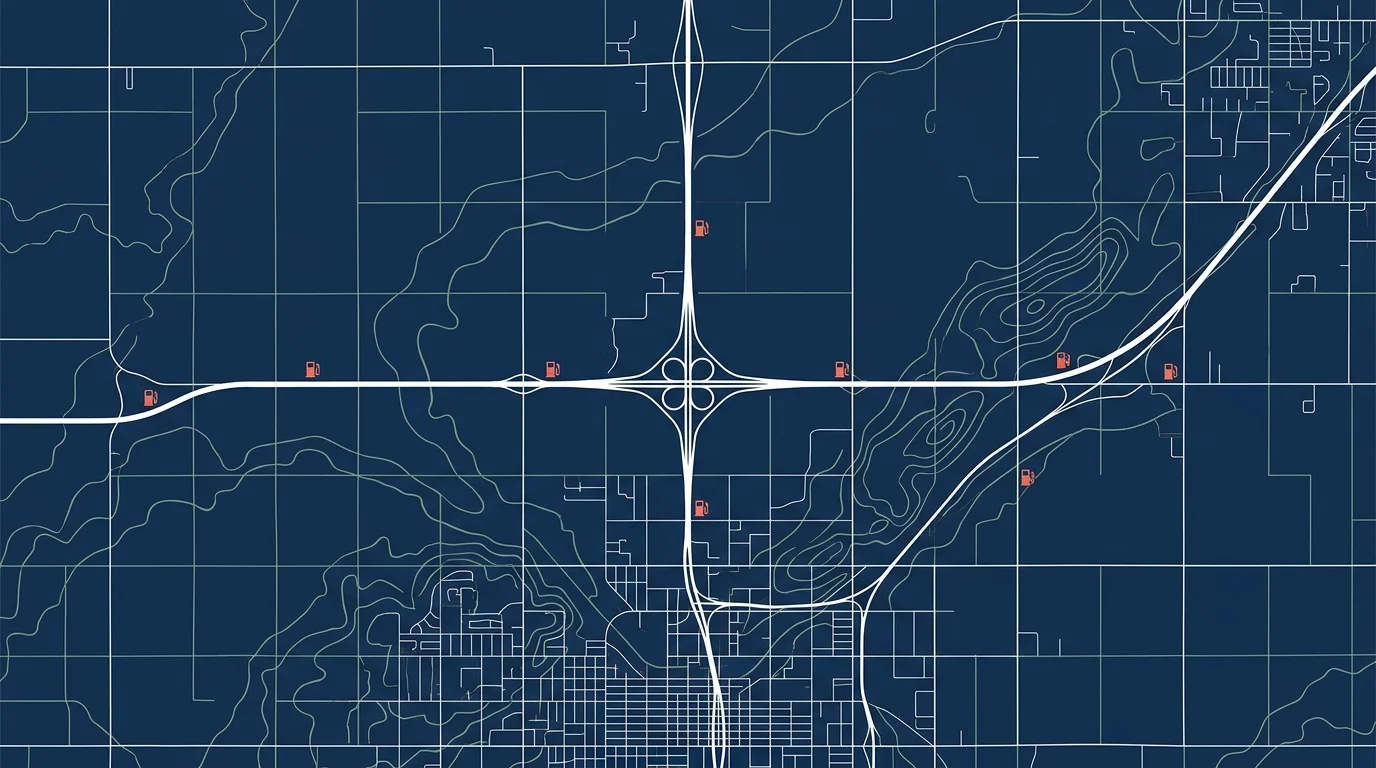
A Sinclair gas station on the edge of Park City, Kansas is about to become one of the state's newest electric vehicle charging sites, funded by a $607,480 federal grant from the Department of Transportation's National Electric Vehicle Infrastructure program.
The chargers will go in at 6209 North Broadway Avenue, near the I-135/K-254 interchange just north of Wichita. For a city of roughly 8,000 people with a modest budget, the grant represents a significant capital investment. But the location is also strategic: I-135 is a main artery connecting Wichita to Salina and central Kansas, and without reliable charging along that corridor, long-distance EV travel in the state remains impractical.
Kansas has one of the lower EV adoption rates in the country, with electric vehicles making up roughly 1 to 2 percent of new vehicle registrations as of 2024. The federal NEVI program was designed precisely for situations like this. Rather than waiting for private charging networks to build where the business case is thin, the program uses public dollars to fill gaps in rural and suburban corridors where companies like Tesla and Electrify America have little incentive to invest on their own.
Placing the chargers at an existing gas station reflects deliberate program logic: drivers can use restrooms and grab food during a charging session, and stations like Sinclair already have the traffic and infrastructure to support it. Nationally, the NEVI program has faced criticism for a slow rollout. By early 2024, only a handful of stations had opened despite billions in allocated funding, though the pace picked up as states moved through planning and procurement. A similar grant brought $892,000 in NEVI funding to Ottawa, Kansas for chargers along I-35, suggesting the state is making incremental progress filling out its priority corridors.
Kansas also has an underappreciated climate advantage when it comes to EV charging: wind power generated more than 40 percent of the state's electricity in recent years, meaning EVs charged here carry a lower carbon footprint than in many other states.
The grant's April 2026 posting date adds some uncertainty. The Trump administration has signaled skepticism toward EV-related federal spending, and the future of unobligated NEVI funds has been a subject of legal and political debate. It is unclear whether this award was obligated earlier and recently entered the public spending database, or whether it represents a new disbursement. Construction and installation timelines have not been publicly announced.