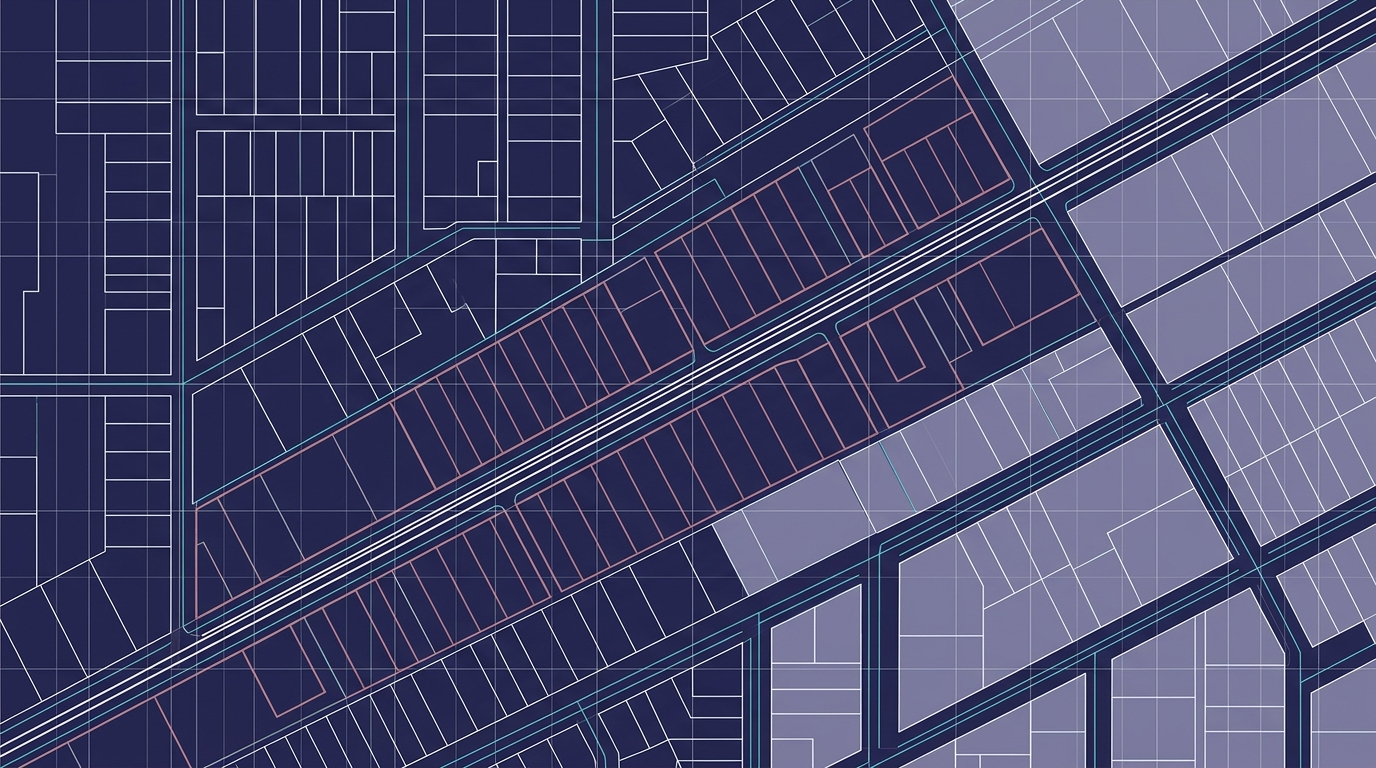
San Antonio, Texas is moving deeper into the construction pipeline for its first-ever rapid transit line, with VIA Metropolitan Transit now working to reconfigure property boundaries along the Green Line corridor on San Pedro Avenue.
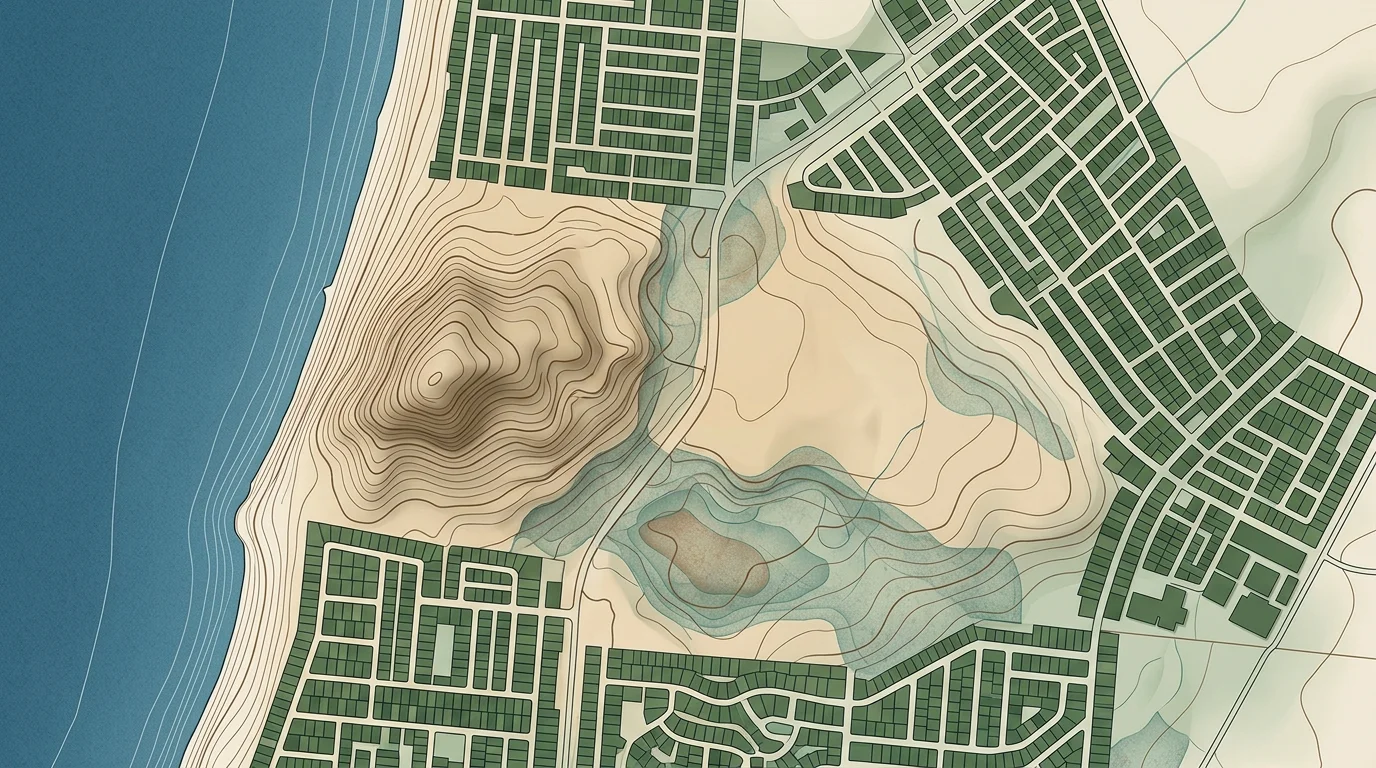
The work, known as re-platting, involves legally redrawing parcel lines to accommodate dedicated bus lanes, stations, and other infrastructure. It's a technical but consequential step: engineers and attorneys must carve out precise slivers of land from existing properties, adjust easements, and clear the legal path for construction. For property owners along San Pedro Avenue, it can mean negotiations, disruptions, and in some cases, partial land takes.
As previously reported, VIA has been advancing land acquisition work along the corridor. The re-platting phase signals that preparation is intensifying ahead of construction.
San Antonio holds an unusual distinction among American cities: at roughly 1.5 million residents and the country's seventh-largest city, it remains the largest U.S. metro without a modern rapid transit system. No light rail, no subway, no bus rapid transit. That gap has shaped decades of car-dependent sprawl and strained commutes for a city that has been among the fastest-growing in the country.
The Green Line, running along San Pedro Avenue from the North Side into downtown, is the centerpiece of VIA's Advanced Rapid Transit program. Voters made it possible in November 2020, narrowly approving a one-eighth-cent sales tax increase that generates roughly $38 million a year for the project. VIA has also pursued federal funding through the Federal Transit Administration's Capital Investment Grant program, seeking more than $100 million to supplement local dollars.
San Pedro Avenue is not a blank slate. The corridor runs through a mix of established neighborhoods, small businesses, and historically significant areas, and some property owners and community groups have already raised concerns about construction impacts and how much say they've had in the process. Getting the right-of-way geometry right now will shape how smoothly those relationships hold through the build.
How quickly VIA can complete the property work will be a key factor in determining when construction can begin in earnest.