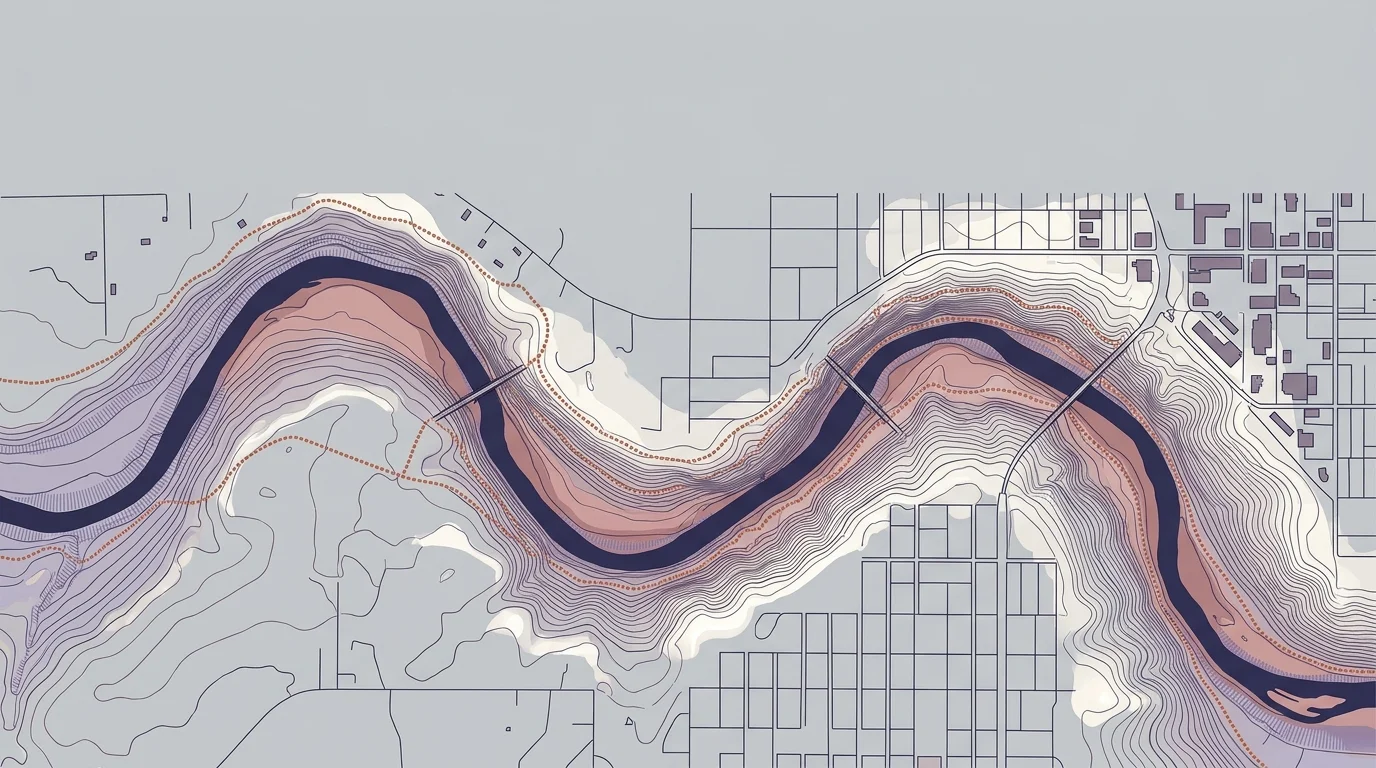
Tempe, Arizona is moving forward with a new pedestrian bridge over the Rio Salado, the latest step in a quarter-century effort to turn a neglected stretch of the Salt River into the heart of one of the Phoenix metro's most walkable cities.
The city is now hiring engineers and designers for the project, which would cross the river upstream (west) of Tempe Town Lake, according to a solicitation posted April 27. The bridge is in its earliest planning stages, and no construction cost has been publicly announced.
The location matters. The upstream corridor has seen growing development pressure as the Town Lake waterfront fills in with mixed-use towers and office buildings, pushing interest further west along the river. Connecting that area with a dedicated pedestrian and cycling crossing would extend Tempe's existing trail network and link residents to the Rio Salado Habitat Restoration Area, a rare riparian greenway in an otherwise arid metro landscape.
The roots of that transformation go back to the late 1990s, when the city launched the Rio Salado Project to reclaim a dry, debris-filled riverbed that had been used for gravel mining and illegal dumping. The effort created Tempe Town Lake around 2005, a 2-mile reservoir that anchored billions of dollars in surrounding development. Pedestrian infrastructure along the corridor has grown steadily since, but gaps remain, particularly west of the lake.
For a city of about 185,000 people that is largely built out, connectivity projects like this have become a primary tool for improving livability. Tempe has earned recognition for its bike infrastructure and has leaned heavily into multimodal transit, including the Valley Metro light rail. River-adjacent paths are especially valuable in a region where summer heat regularly exceeds 110°F: shaded, water-adjacent corridors are among the few places people can reasonably walk or bike outdoors for much of the year.
The project will draw scrutiny as it advances. Pedestrian bridges in the Phoenix area have sometimes raised questions about cost and purpose. A comparable structure near the Scottsdale Waterfront, the Soleri Bridge, ran about $5 million when it opened in 2010. Whether Tempe's upstream bridge serves genuine transportation needs or functions primarily as a recreational amenity is a question residents and city officials will need to answer as design develops and a price tag emerges.
With the project still in the design phase, the full scope, timeline, and budget remain unknown. Those details will come into clearer view as the city works through engineering and environmental review in the months ahead.