Faith communities and nonprofit organizations across the country are installing bulletproof windows, reinforced doors, and surveillance cameras as hate crimes reach levels not seen in two decades. A federal security grant program now awards $305 million annually to help protect at-risk groups, but demand far outstrips available funding.
The Department of Homeland Security distributed $14.3 million this month through its Nonprofit Security Grant Program, which helps organizations pay for physical security improvements and armed guards. Created in 2005 to protect Jewish institutions after post-9/11 threats, the program has expanded dramatically following the 2018 Tree of Life synagogue massacre that killed 11 people in Pittsburgh.
FBI data shows attacks on religious institutions jumped 35% between 2015 and 2021. The program now covers synagogues, mosques, churches, LGBTQ+ community centers, reproductive health clinics, and cultural organizations that face terrorist threats. Grants typically range from $50,000 to $150,000 per organization.
Federal funding for the program has increased nearly tenfold since 2017, from $25 million to this year's $305 million. But thousands of eligible nonprofits still wait for protection. Organizations must document specific threats and coordinate with local law enforcement to qualify, a process many small groups struggle to navigate.
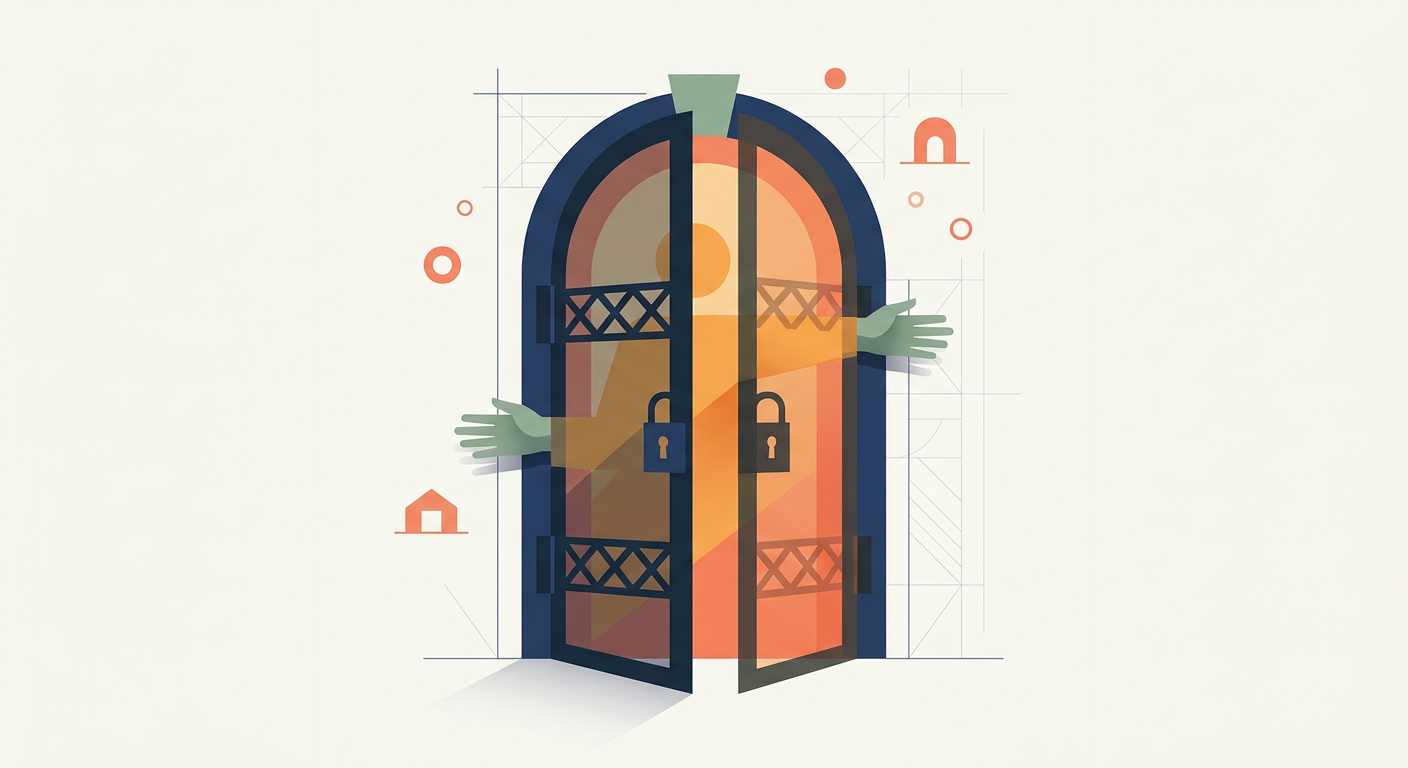
The money pays for shatterproof glass, security cameras, alarm systems, and training programs. Some organizations hire armed guards. The program reflects a fundamental shift: community spaces that once operated with open doors now require hardened perimeters.
Applications for the next funding cycle open in early 2026. FEMA administers the grants through state agencies, which conduct threat assessments before awarding funds.