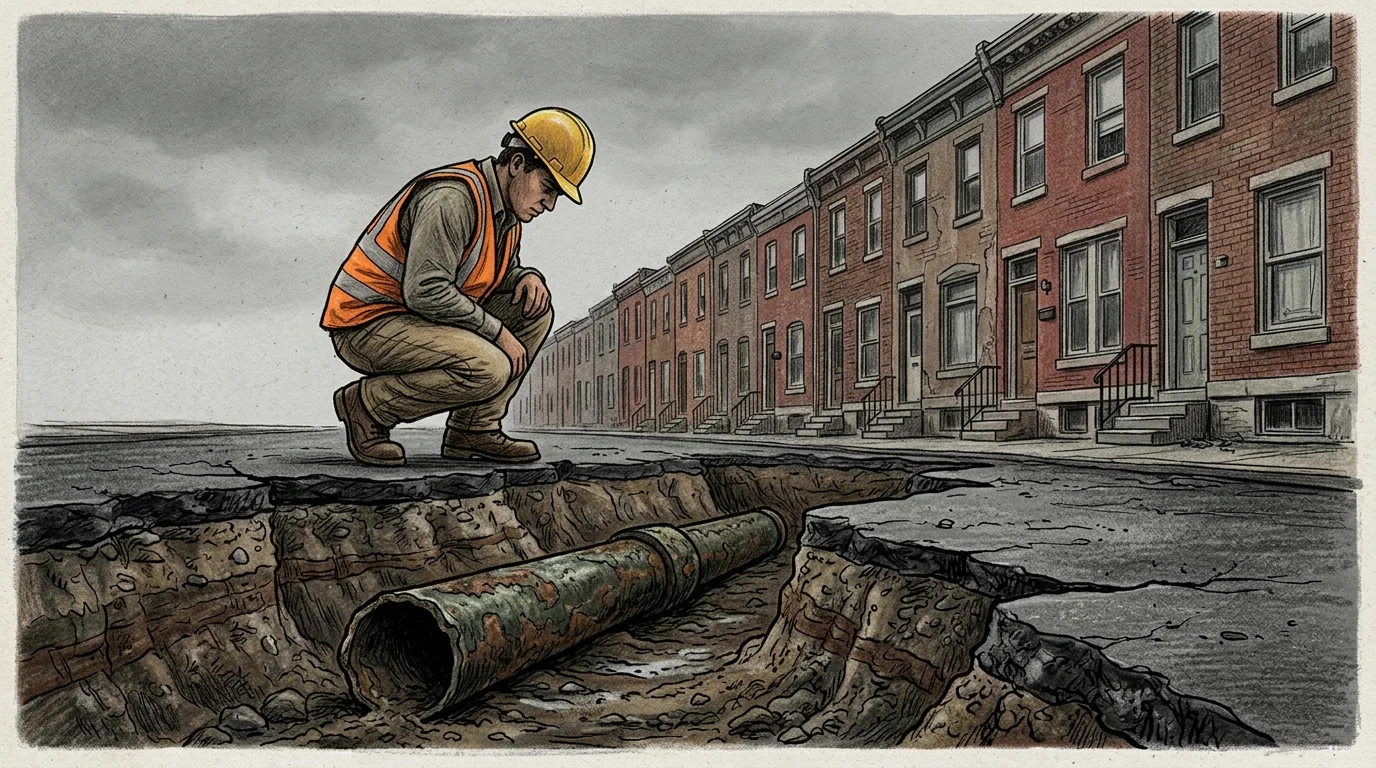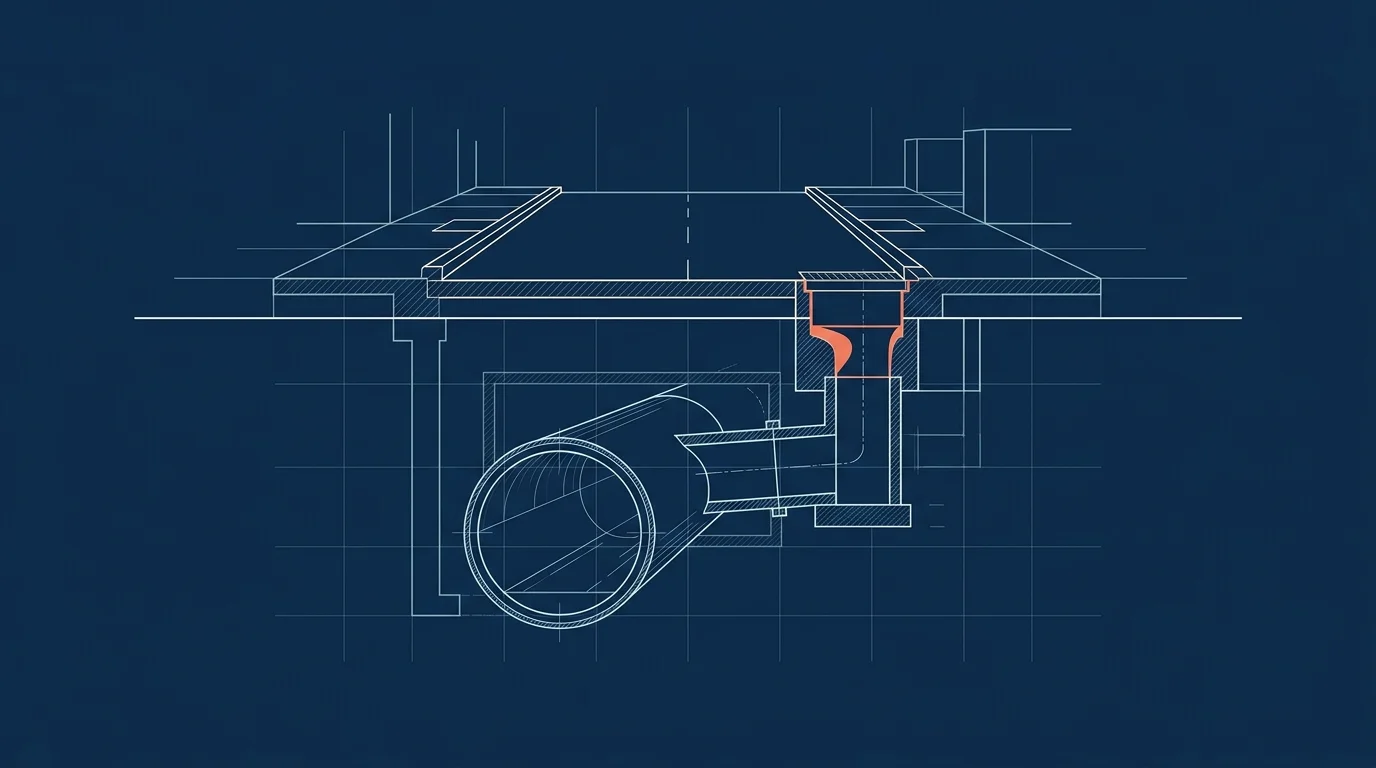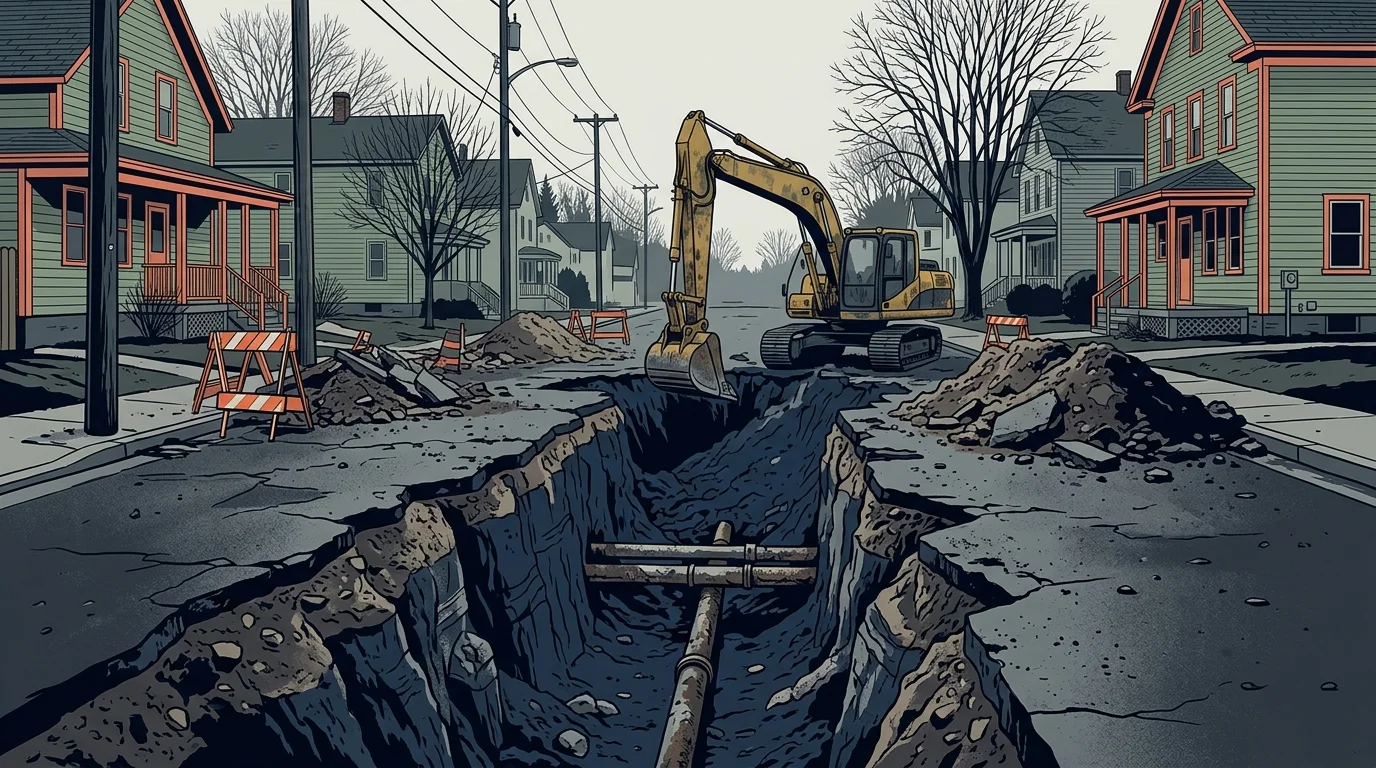
Mifflinburg, Pennsylvania is tearing up two blocks of Walnut Street to replace the aging water mains, sewer lines, and storm drains running underneath, a million-dollar-plus overhaul that illustrates the mounting infrastructure pressure on small boroughs across the state.
The project covers the 200 and 300 blocks of Walnut Street in this Union County borough of roughly 3,500 residents. Rather than patch individual systems piecemeal, Mifflinburg is taking a "dig once" approach: opening the street a single time to replace all three underground utilities before repaving. It costs more upfront but avoids tearing up a newly resurfaced road a few years later when the next pipe fails.
For a borough with an annual general fund budget likely in the range of $2 to $3 million, a project of this scale is a major financial undertaking. A telling detail in the bid notice suggests the borough isn't paying for it alone: bids can be held for up to 120 days if a grant award is still pending, a standard provision when municipalities are waiting on outside funding approvals. Possible sources include PENNVEST, the state's infrastructure financing authority, Community Development Block Grants, or ARPA funds that many Pennsylvania municipalities have been programming into capital projects through 2026.
Mifflinburg operates its own water and sewer systems, which means the full cost of maintaining aging infrastructure falls on a small ratepayer base with a median household income around $45,000 to $50,000. That financial reality is common across Pennsylvania's 2,500-plus municipalities, many of them small boroughs sitting atop water and sewer systems installed 50 to 100 years ago. The American Society of Civil Engineers has repeatedly given Pennsylvania's infrastructure poor marks, and the gap between what small towns need and what local budgets can cover has made state and federal grant programs increasingly critical.
Walnut Street sits near Mifflinburg's historic downtown, an area the borough has invested in cultivating as a local commercial and tourism hub, home to events like its annual Christkindl Market. Keeping the underground systems beneath those streets functional is as much an economic concern as a public works one.
Contractors are expected to be selected after bids are evaluated, with the 120-day hold period indicating a final funding decision could still be weeks away.