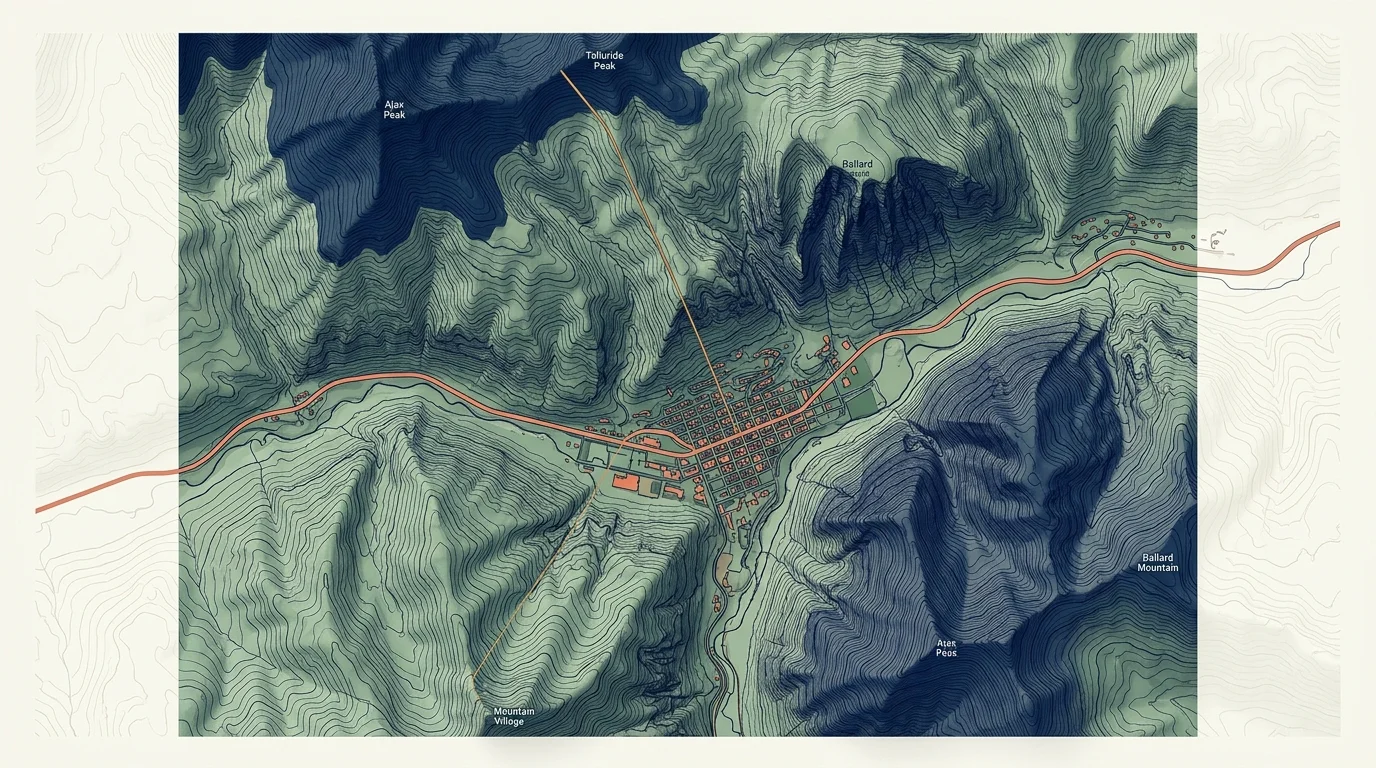
Telluride, Colorado has one road in and out of town, a permanent population of about 2,400, and a median home price that has surged past $2 million. The math has been punishing for years: workers priced out of the box canyon resort town drive in from communities 30 to 60 miles away, packing Highway 145 during ski season and the town's famous summer festivals until the canyon's single access corridor grinds to a halt.
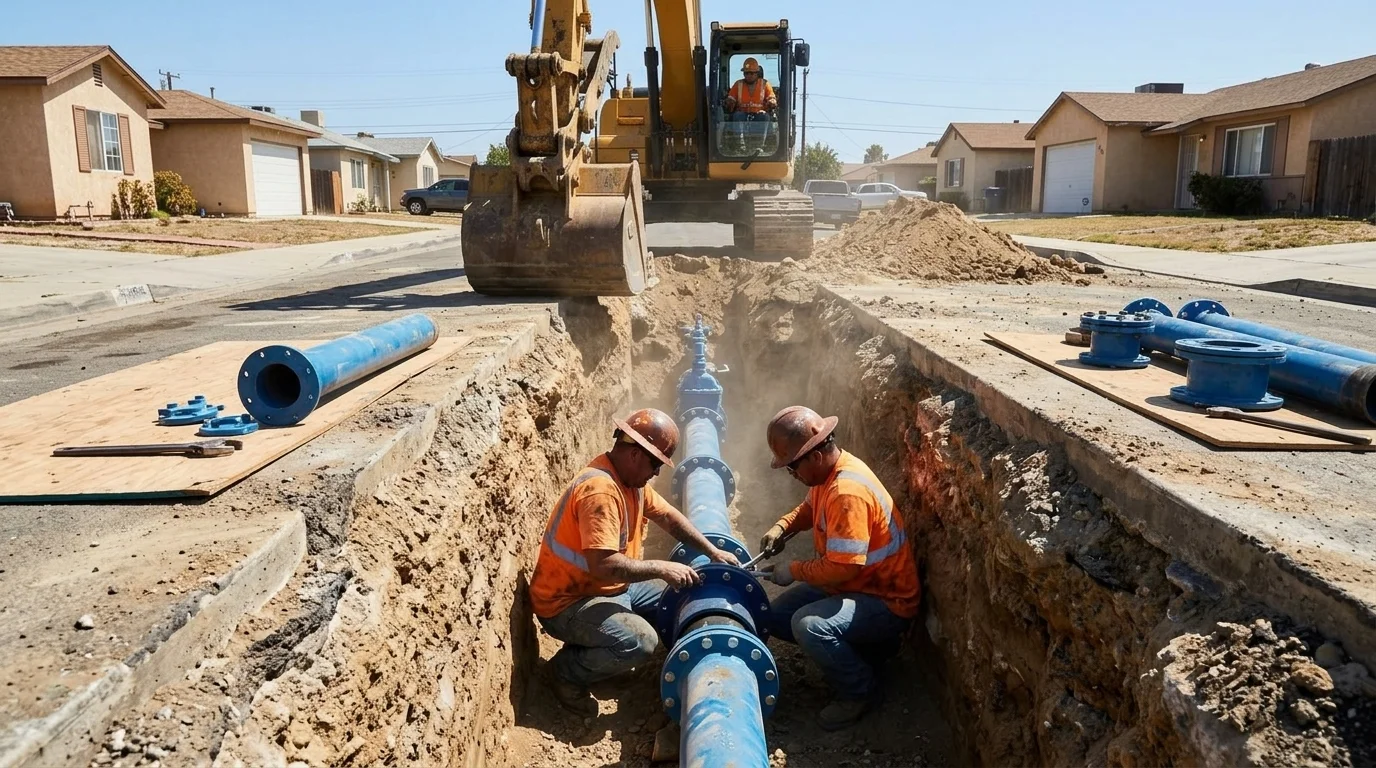
Now the town is moving to permanently expand its transit capacity. Telluride's Public Works department posted a solicitation in late May 2026 for what appears to be a physical transit addition, likely a facility such as a bus barn, maintenance building, or transit hub rather than a new service route. A construction project of this kind signals a long-term commitment to growing the system's capacity, not just adding a few more runs on existing lines.
The need is not hard to understand. During peak periods, Telluride's effective population swells many times beyond its small permanent base as visitors arrive for the Telluride Film Festival, Bluegrass Festival, and winter ski season. The workers who staff hotels, restaurants, ski lifts, and shops largely can't afford to live nearby. Many commute from Norwood, Sawpit, Placerville, and even Ridgway, communities that the San Miguel Authority for Regional Transportation already connects to Telluride by bus. But as the workforce housing crisis has deepened through the 2020s, demand has outpaced what the regional bus network can handle.
The town has a history of ambitious transit thinking. The free gondola connecting Telluride to Mountain Village, which has run since 1996, is one of the most-cited examples in the country of a small town solving a geography problem with public infrastructure. Any new facility would expand on that foundation.
Colorado has also made statewide transit funding easier to access in recent years. The legislature's 2021 transportation bill directed new revenue toward transit, with mountain corridor congestion specifically in mind, and the state has pushed greenhouse gas reduction targets that favor getting cars off mountain highways.
The specific budget and full scope of Telluride's project were not disclosed in publicly available information about the solicitation. What happens next depends on which firms respond and how the town proceeds through design and construction, but the project represents Telluride's clearest signal yet that it intends to build transit infrastructure sized for the demand it actually faces, not the small mining town it used to be.