Lorain, Ohio is building a skate park at Longfellow Park, adding a free recreational option in a city where many families can't afford private sports leagues or club memberships.
The project, now out to bid, would transform part of the existing park on Cleveland Boulevard into a purpose-built skating facility. For a working-class city of about 65,000 people on the shore of Lake Erie, roughly 30 miles west of Cleveland, the investment reflects a broader push to improve quality of life as a way to hold onto residents and attract new families.
Lorain's demographics make the case for free public amenities especially sharp. More than 25% of the city's residents live below the poverty line, and median household income falls well below state and national averages. About one in four residents is under 18, meaning a large share of the population stands to benefit from accessible recreation that doesn't come with registration fees or equipment costs.
The skate park fits into a pattern playing out across Ohio and the country. Since skateboarding debuted at the Tokyo Olympics in 2021, cities including Toledo, Akron, and several Columbus suburbs have built or expanded skate facilities. Parks and recreation professionals have come to view skate parks as high-value, low-maintenance infrastructure that draws a wide age range. Organizations like The Skatepark Project, founded by Tony Hawk, have specifically advocated for facilities in lower-income communities like Lorain.
The city hasn't disclosed a budget for the project or identified its funding source. Many Ohio municipalities have used American Rescue Plan Act dollars for parks and recreation projects since 2021, and the state capital budget periodically funds local park improvements. Whether Lorain is tapping federal relief money, state grants, or its own general fund remains an open question.
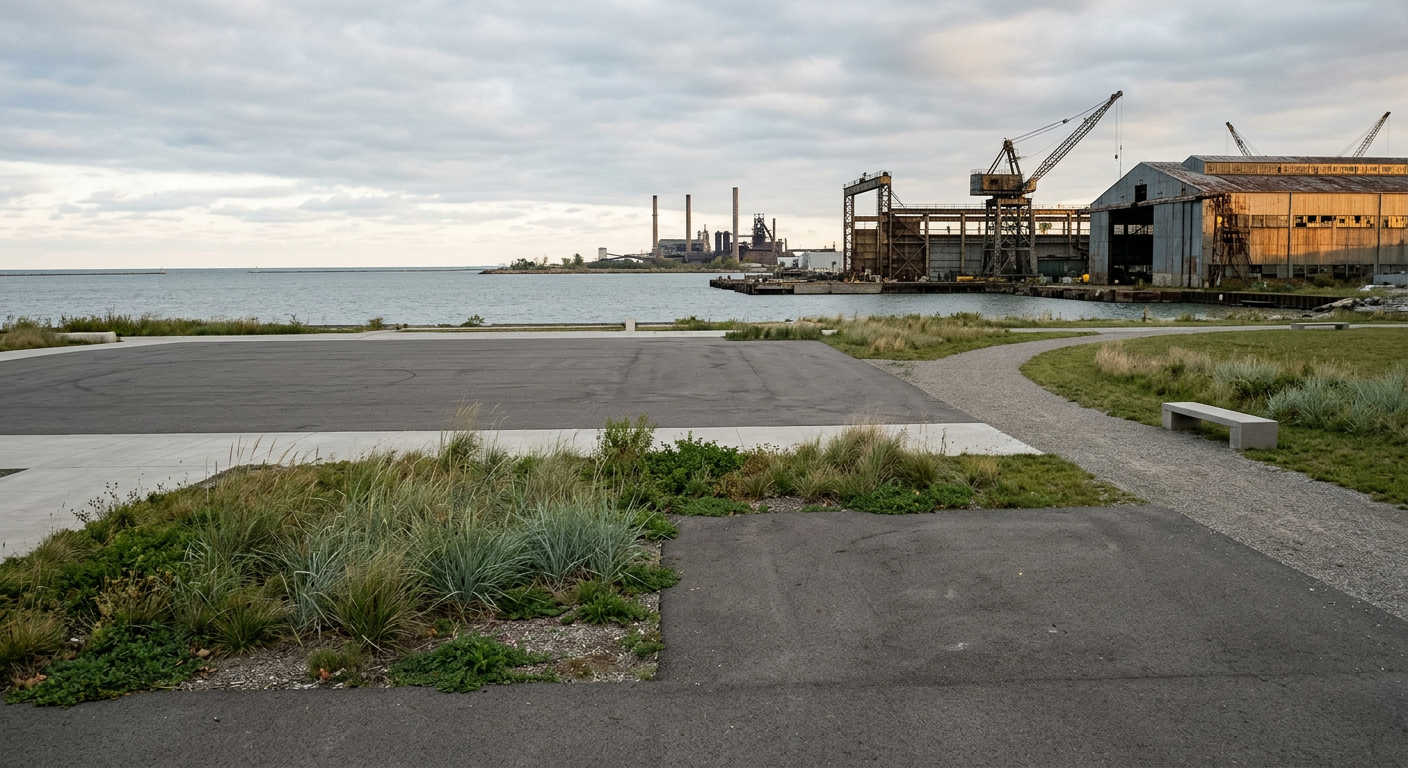
Lorain, once a steel and shipbuilding powerhouse, has seen its population fall from a peak near 78,000 in the 1970s to around 65,000 today. In recent years, city leaders have turned to parks, waterfront development, and downtown revitalization as tools for stabilizing neighborhoods after decades of industrial decline. The city is one of the most racially and ethnically diverse in Ohio, with significant Hispanic, Black, and white working-class communities shaped by generations of factory employment.
The project is now moving forward, with the city seeking contractors for the construction work. Details on the timeline, public input process, and total cost have not yet been made available.