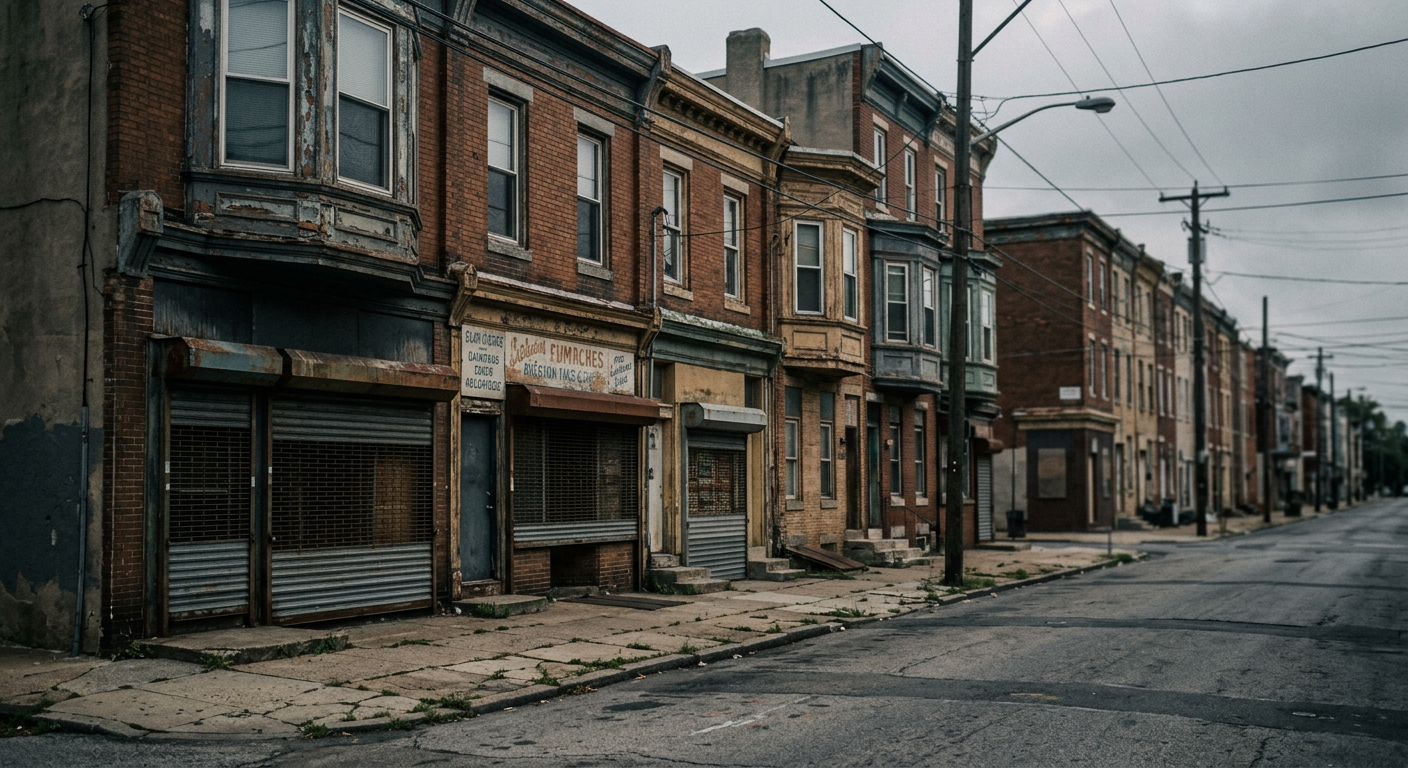
Philadelphia is looking for a contractor to run homeless outreach in Kensington, the neighborhood that has become the most visible face of the city's overlapping drug and homelessness crises.
The Department of Behavioral Health and Intellectual disAbility Services is seeking a provider to start comprehensive street outreach in June 2026, working directly with people living in encampments around Kensington and Allegheny Avenues. The area has been called the largest open-air drug market on the East Coast, where fentanyl and the animal tranquilizer xylazine have created what health workers describe as the most severe addiction crisis they've seen.
Philadelphia has roughly 5,000 people experiencing homelessness on any given night, with 40 percent unsheltered, one of the highest rates among East Coast cities. Kensington holds a disproportionate share of both the encampments and the city's 1,200 annual overdose deaths.
The contract comes as Mayor Cherelle Parker, who took office in January 2024 promising to clean up Kensington, faces pressure to show progress. Previous clearance efforts in 2023 drew criticism from advocates who said the city displaced people without providing housing alternatives. The neighborhood's median household income sits below $30,000, and decades of factory closures left behind economic devastation that the drug market filled.
The work will be funded entirely with city money, not federal homeless assistance grants, suggesting Philadelphia is covering costs the federal government typically helps pay for. Outreach teams typically do street engagement, crisis intervention, and referrals to shelter, treatment, or housing, though Philadelphia's treatment system has an estimated 2,000-person waitlist for publicly funded beds.
The city has not disclosed the contract value. Interested providers had until mid-March to submit questions about the solicitation.