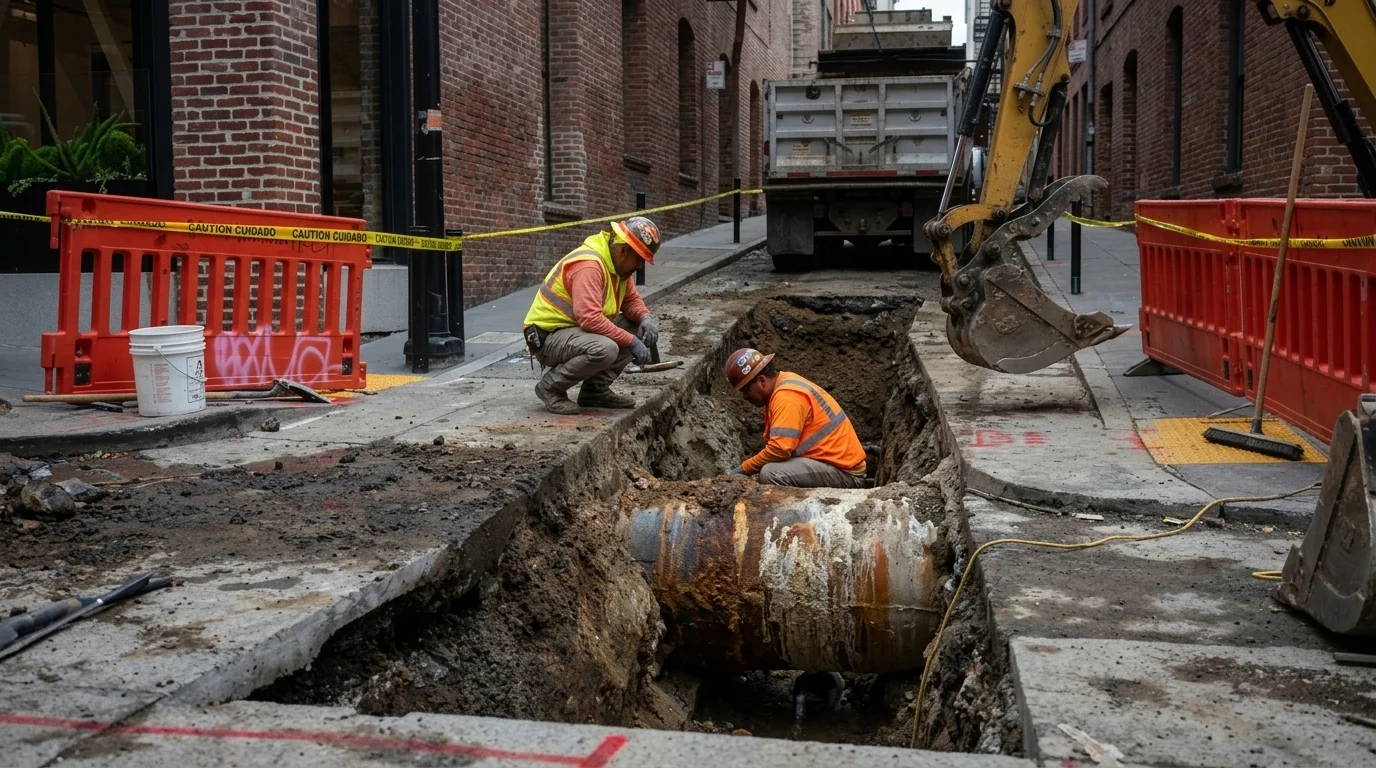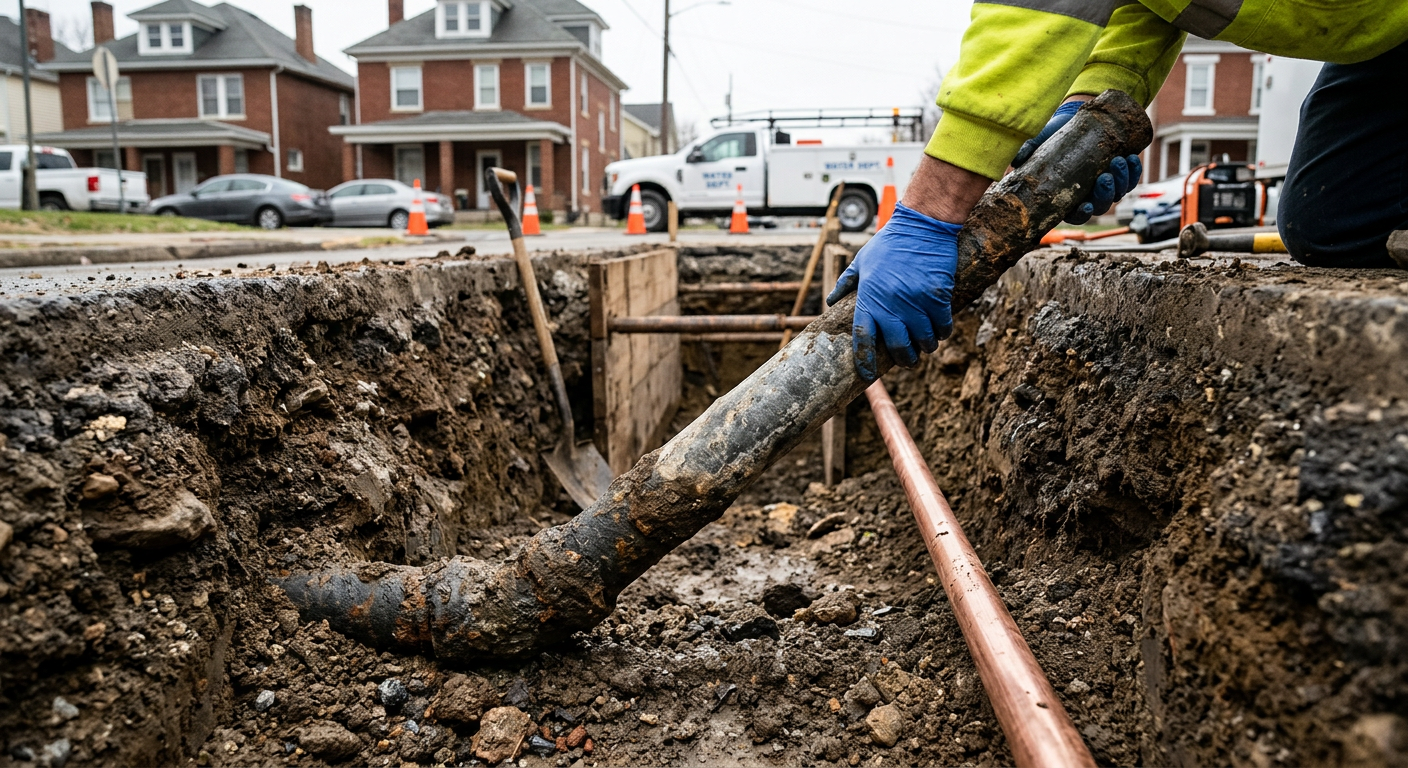
Duluth is starting to replace lead water pipes in the Endion neighborhood, launching what appears to be the first phase of a systematic effort to remove thousands of toxic service lines installed when the city was built out in the early 1900s.
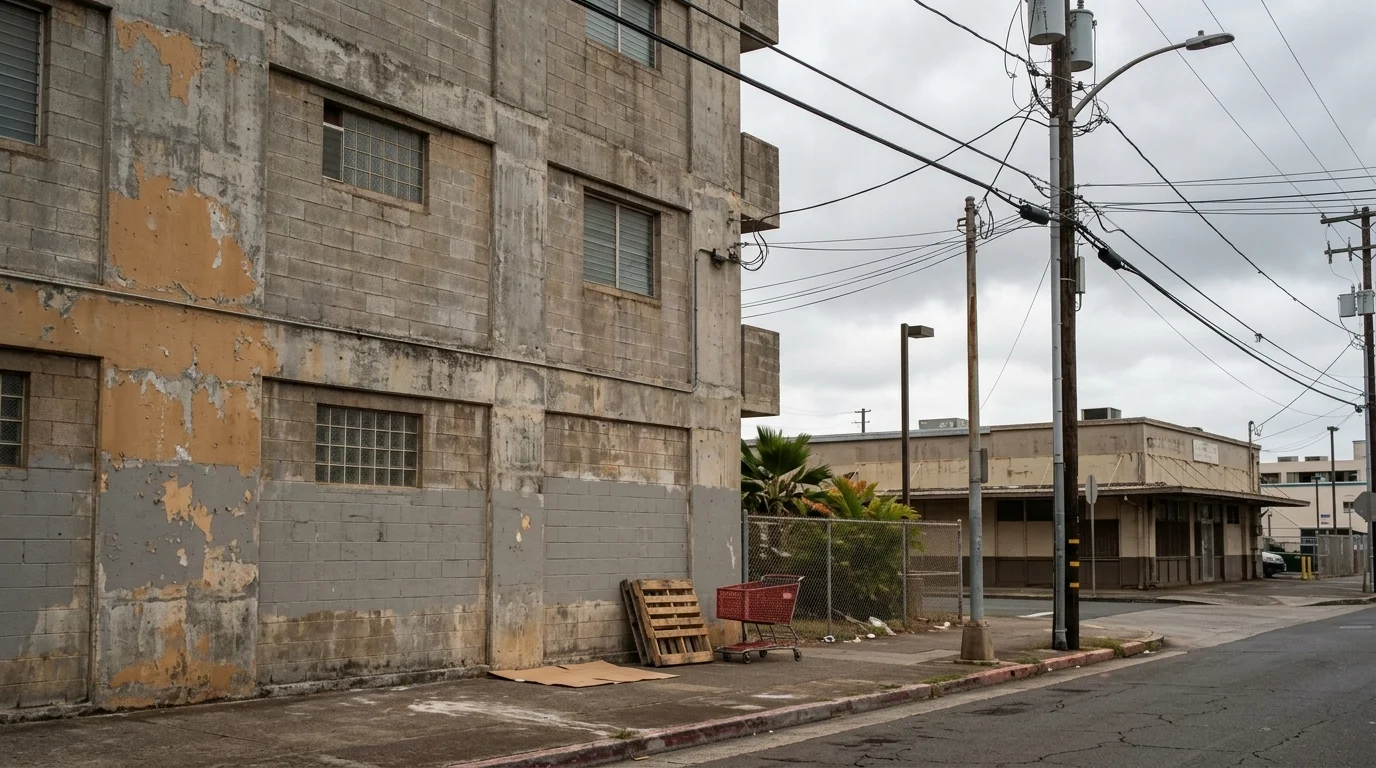
The city is seeking contractors for lead service line replacement in Endion, the working-class neighborhood east of downtown where most homes date to 1900-1930. That housing stock matches the era when lead pipes were standard construction across American cities, a practice federal law didn't ban until 1986.
Lead service lines connect water mains to individual homes. Even low-level lead exposure damages children's brain development and has no safe threshold. Duluth, like most older Rust Belt cities, has thousands of these lines still in service. The "Endion 1" designation signals this is the first slice of a larger program, the kind of block-by-block approach cities nationwide are adopting to tackle the problem systematically.
The push comes after years of federal pressure and new funding. EPA rules now require cities to inventory all lead lines and replace them on a mandatory schedule if lead levels spike. The 2021 infrastructure law put $15 billion toward replacement nationally, with Minnesota getting roughly $213 million. That created a funding pathway that didn't exist before: replacing a single service line costs $3,000 to $12,000, prohibitively expensive for most homeowners and cash-strapped cities.
Duluth's population has dropped from 106,000 in 1960 to 86,000 today, leaving the city maintaining infrastructure built for more people with a smaller tax base. Endion's median incomes run below the city average, meaning many residents will need help covering the private-side portion of replacements.
Contractor selection for this first phase begins soon, though the city hasn't published specific costs or how many lines will be replaced.