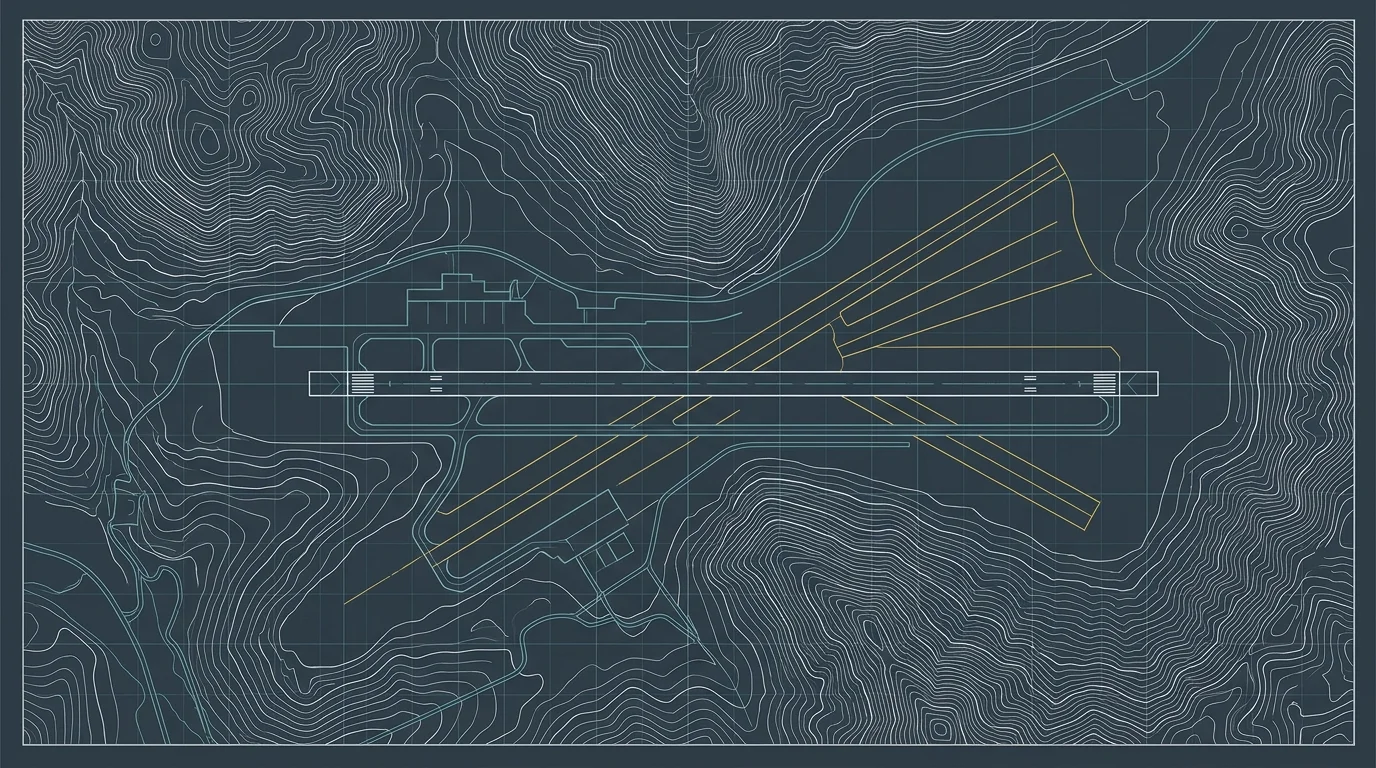
Bonners Ferry, Idaho's only local airport is getting a significant upgrade that could reshape emergency response for one of the most isolated corners of the American West. Boundary County Airport is moving forward with a rehabilitation and 1,200-foot extension of its main runway, a project that would meaningfully expand what kinds of aircraft can operate there.
The airport's Runway 2/20 currently stretches about 3,400 feet, short enough to exclude many larger single-engine and light twin-engine aircraft, particularly in the demanding conditions created by surrounding mountain terrain. Extending it to roughly 4,600 feet would make the airport more viable for medevac flights, wildfire suppression staging, and regional cargo, a consequential change for a county of about 12,500 people where the nearest commercial airports are in Spokane, Washington and Kalispell, Montana, each roughly two to three hours away.
The project goes beyond just adding pavement. Crews will reclaim and recycle the existing asphalt on the runway and connecting taxiways before relaying new surface, a cost-efficient approach that has become standard practice on federally funded airport projects. The runway lighting system and navigational aids will also be rehabilitated and expanded, a detail that suggests the airport may gain improved instrument approach capabilities, critical for a mountain airport that regularly contends with low visibility.
The strategic value of the upgrade extends beyond everyday aviation. Northern Idaho's Selkirk and Cabinet mountain ranges have seen increasingly severe wildfire seasons in recent years, and rural airports like Bonners Ferry's serve as staging areas for aerial firefighting operations. The extension would allow larger air tankers and support aircraft to use the facility. For medical emergencies in a county with no trauma center, a more capable airport can mean the difference between a timely evacuation and a dangerous ground transport over mountain roads.
Federal investment in small airports like this one accelerated after the 2021 Bipartisan Infrastructure Law directed $15 billion toward airport infrastructure nationwide, with rural facilities that had deferred maintenance for decades receiving particular attention. FAA Airport Improvement Program grants have long been the primary funding source for projects of this kind, and Boundary County's limited local tax base makes that federal support essential.
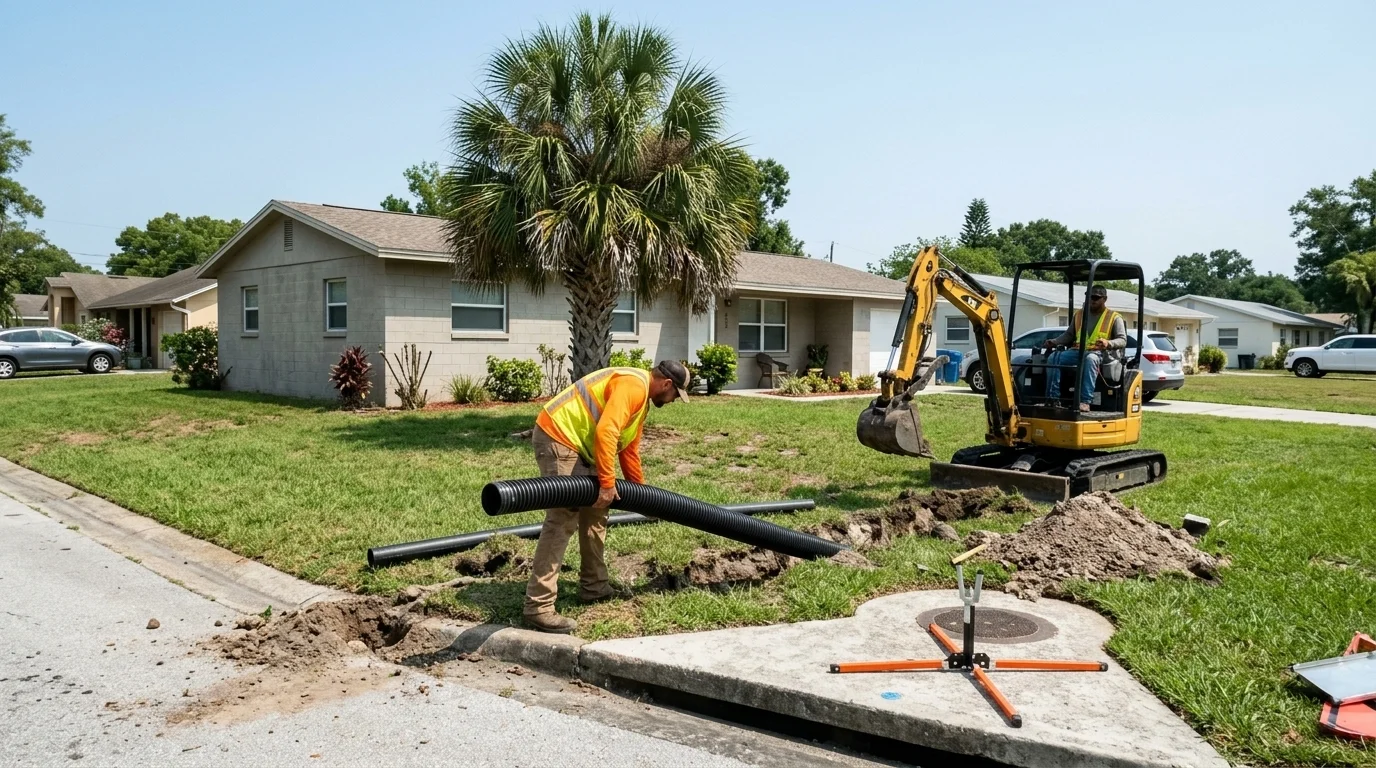
S&L Underground Inc., a Washington state-based contractor, is serving as the prime contractor on the project. Construction work is expected to begin this construction season. The project scope also includes stormwater improvements, slope armoring, safety area grading, and updated fencing and pavement markings.