DeSoto County, Mississippi is getting federal help to clean up a flood-damaged watershed site, with the U.S. Department of Agriculture stepping in to remove debris and restore drainage at the Belmont site before the damage compounds future flood risk.
The work is funded through a USDA Emergency Watershed Protection grant obligated in early March 2025, targeting damage that was surveyed in 2024. The program, administered by the USDA's Natural Resources Conservation Service, covers 75% of recovery costs, with DeSoto County or a local conservation district picking up the remaining 25%.
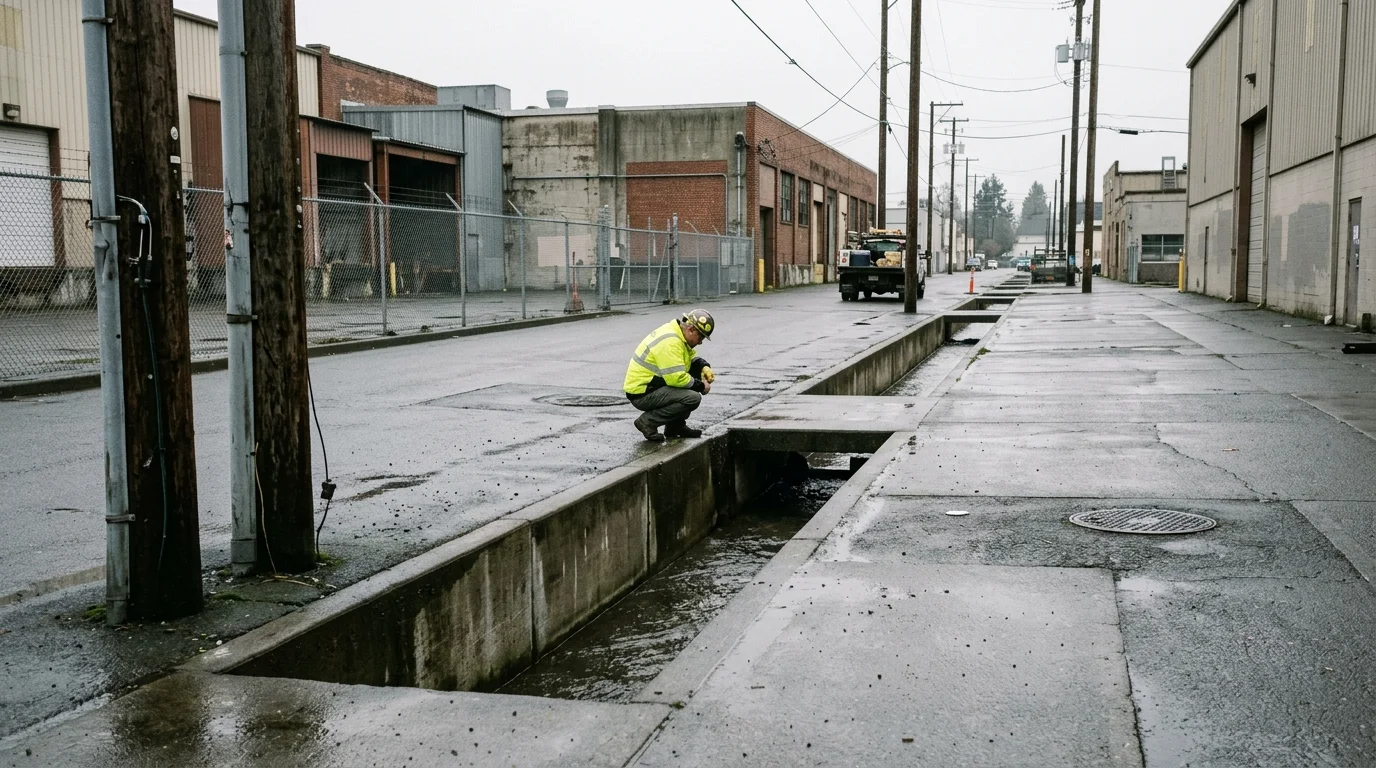
The EWP program's core logic is prevention: debris-clogged channels and eroded streambanks don't just mark where the last flood hit, they set the stage for the next one to be worse. Uncleared blockages raise water levels during storms, undermine roads and bridges, and degrade farmland downstream. Getting into a damaged site quickly, clearing it out, and stabilizing it reduces that cascading risk.
Source: U.S. Census Bureau, American Community Survey.
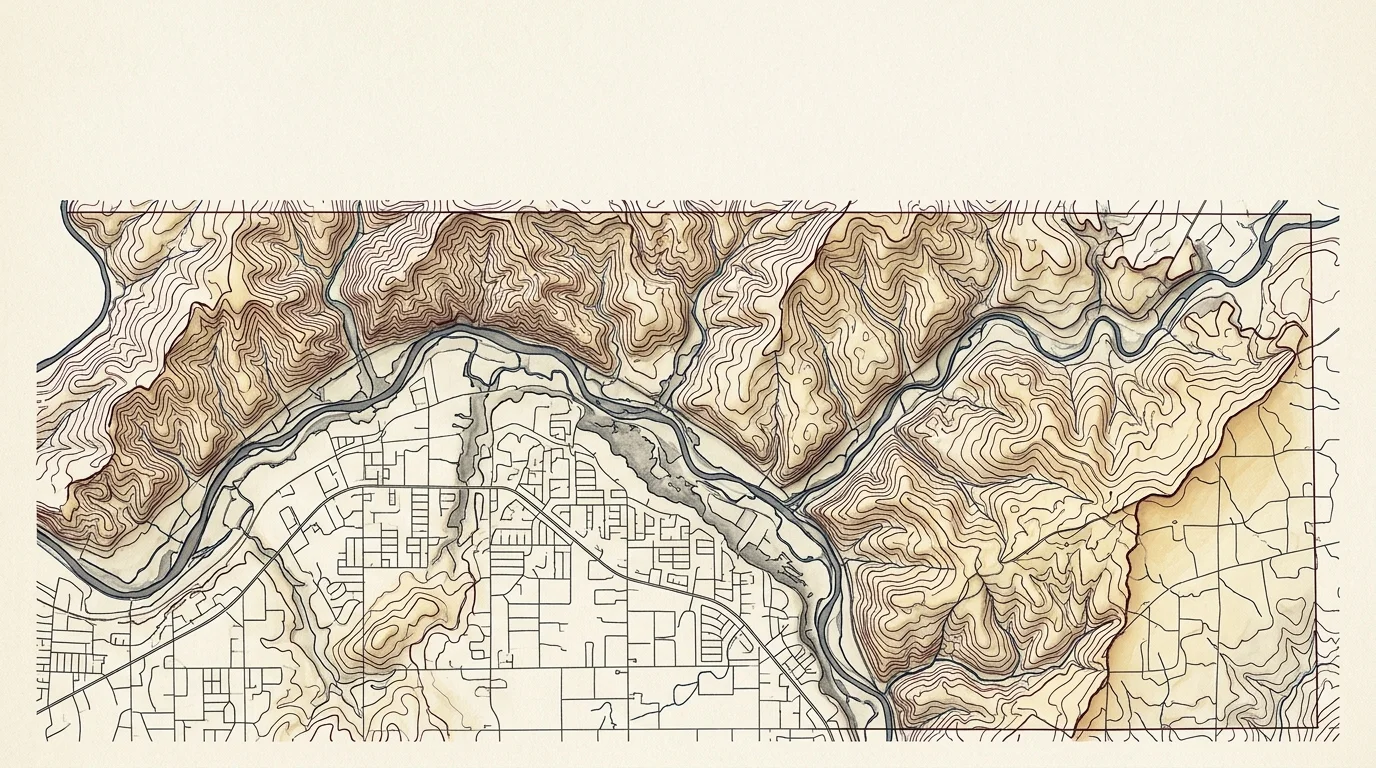
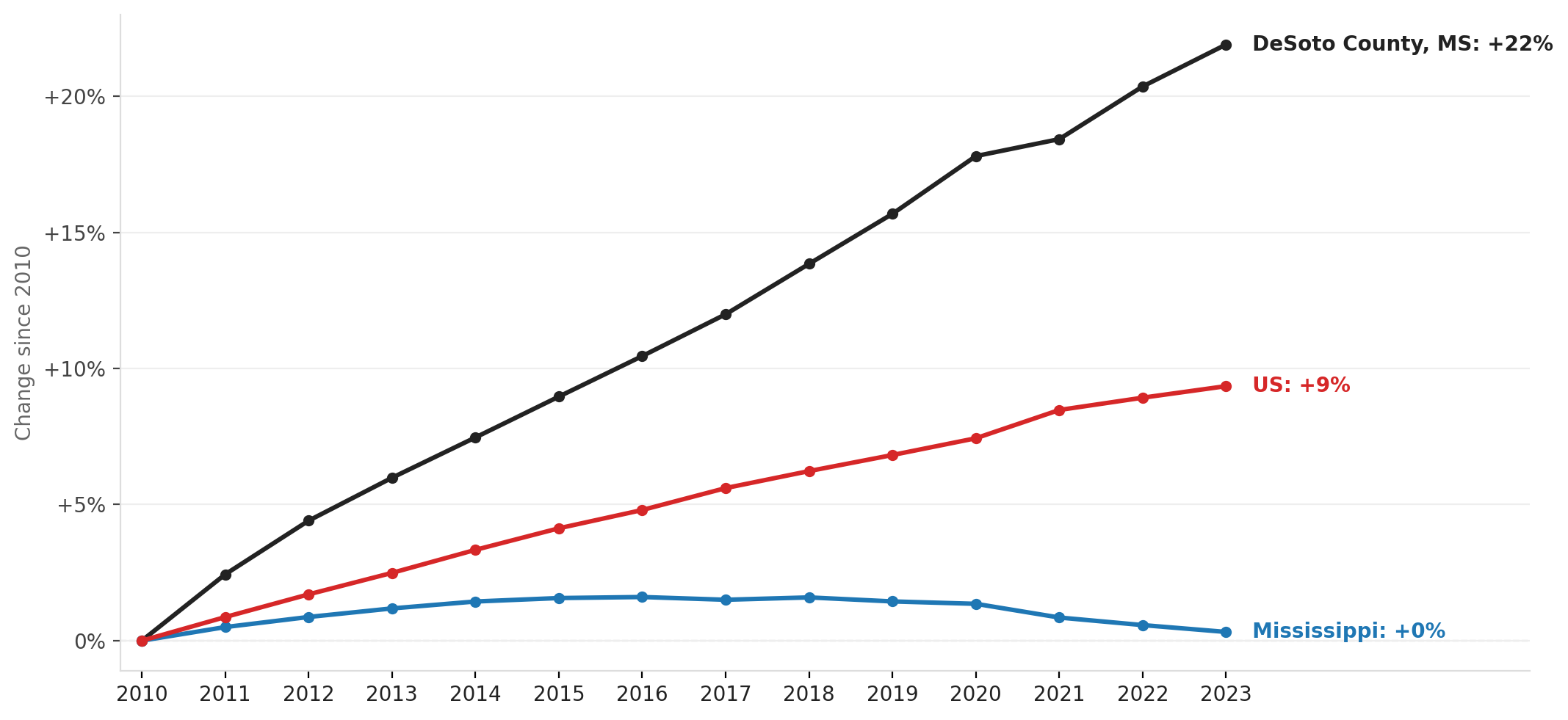
The timing is particularly relevant for DeSoto County. Sitting directly south of Memphis in the northwest corner of Mississippi, the county is one of the fastest-growing in the state, its population roughly doubling between 2000 and 2020 as families and businesses relocated from Shelby County, Tennessee. That growth has brought more pavement, more rooftops, and more impervious surfaces across a landscape already threaded with drainage channels feeding into the broader Mississippi River system. More runoff, moving faster, through channels that weren't designed for suburban-scale development, is a flood problem that tends to get worse before it gets better.
DeSoto County's relative affluence within Mississippi, with a median household income around $65,000 compared to the state median of roughly $48,000, means securing the local cost-share match is less likely to be the bottleneck here than in poorer rural counties. In other parts of Mississippi, that 25% local obligation has delayed EWP projects significantly. Similar federal watershed recovery grants have helped counties across the region, including Adams County, Mississippi, which recently received funding to stabilize crumbling riverbanks ahead of spring floods.
With the grant now obligated, the next step is mobilizing contractors to begin debris removal and recovery work at the Belmont site. How quickly that happens depends on local coordination, but the urgency is clear: every storm season that passes with a damaged watershed is another opportunity for a manageable problem to become a much larger one.