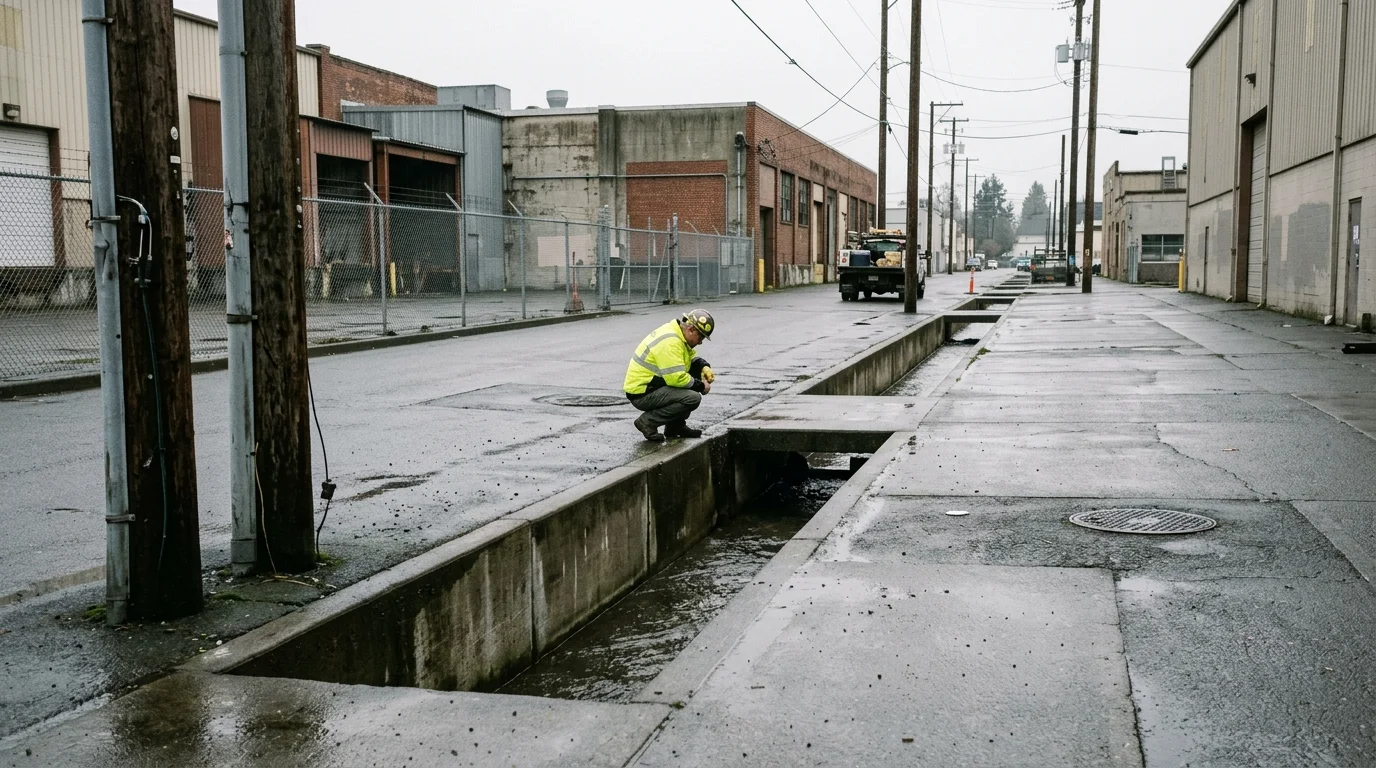
Eroding creek banks are undermining roads in Adams County, Mississippi, and federal money is now on the way to stop the damage before spring flooding makes it worse.
The USDA's Natural Resources Conservation Service is directing $331,443 to the county through its Emergency Watershed Protection Program to armor the banks along Passman Road and Johnson Circle, two sites where soil is actively collapsing into a waterway. The work will likely involve rock reinforcement and other structural measures to hold the banks in place.
The timing matters. The grant was posted in February 2026, just weeks before the region's historically volatile spring flood season. The Lower Mississippi Valley has seen repeated high-water events in recent years, including significant flooding in both 2023 and 2024, and each surge accelerates the erosion cycle for smaller tributaries throughout the region.
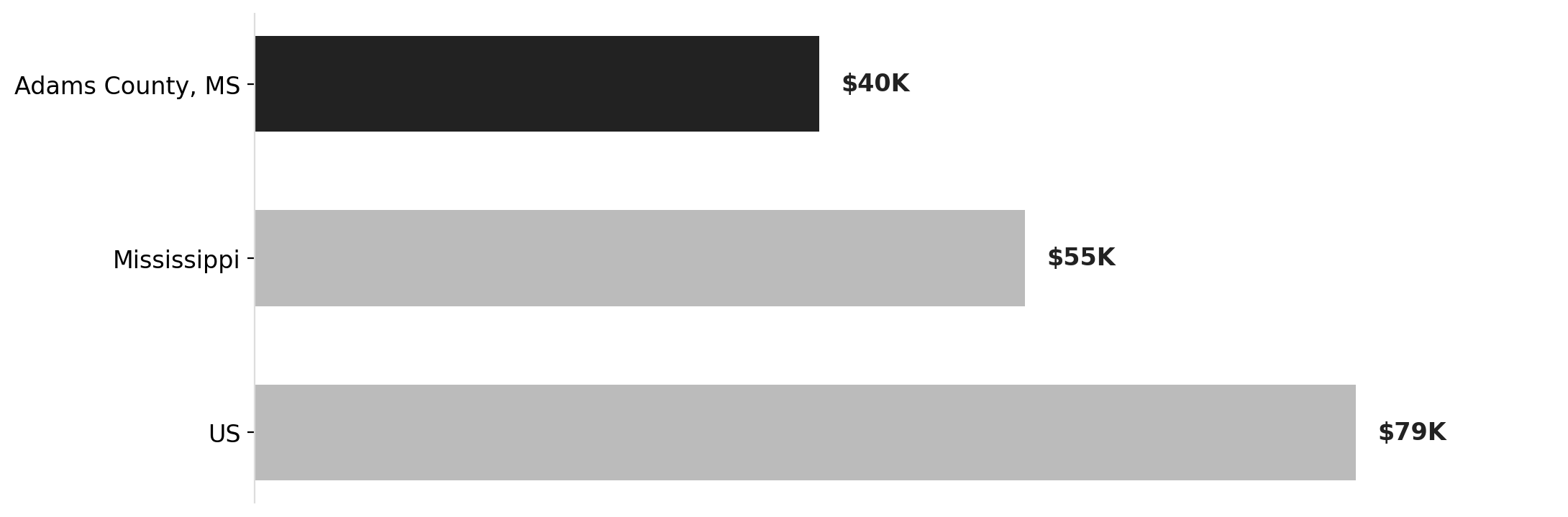
Source: U.S. Census Bureau, American Community Survey.
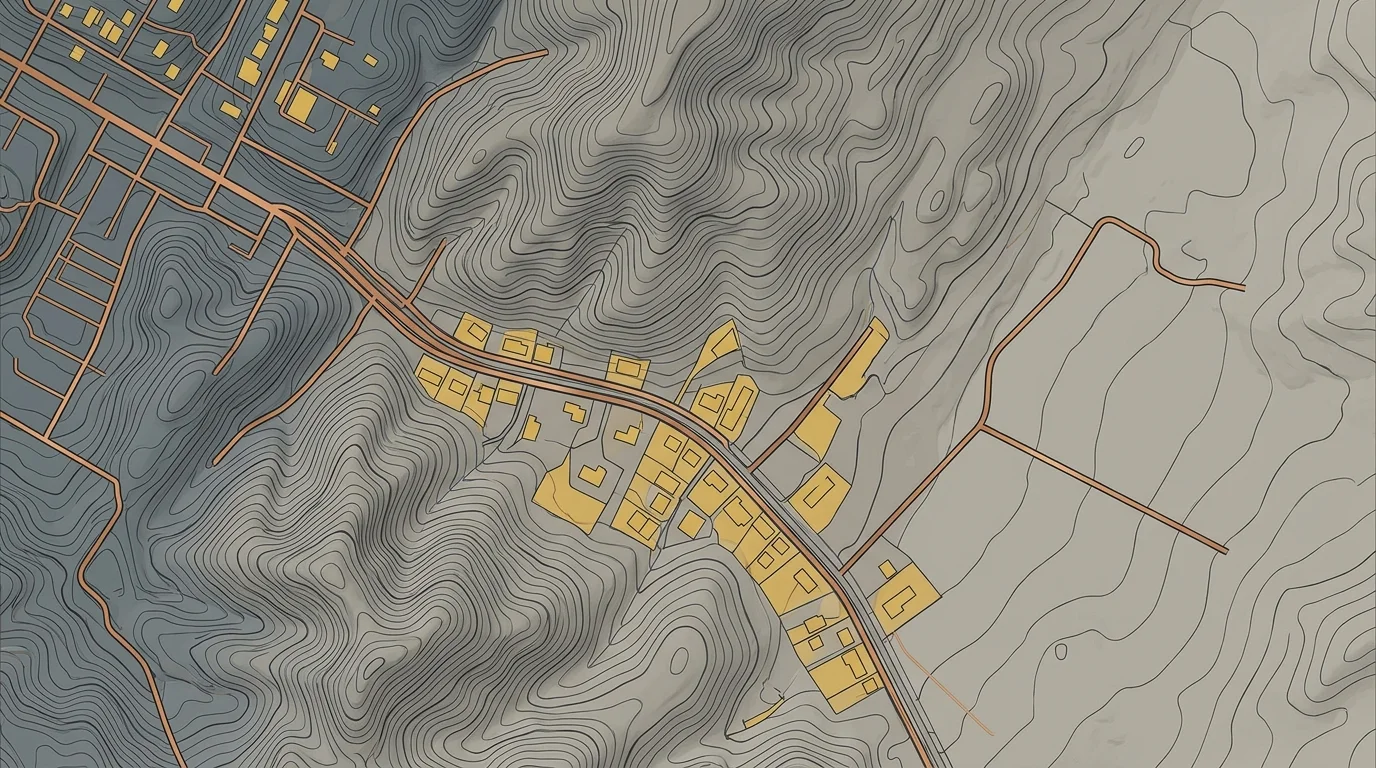
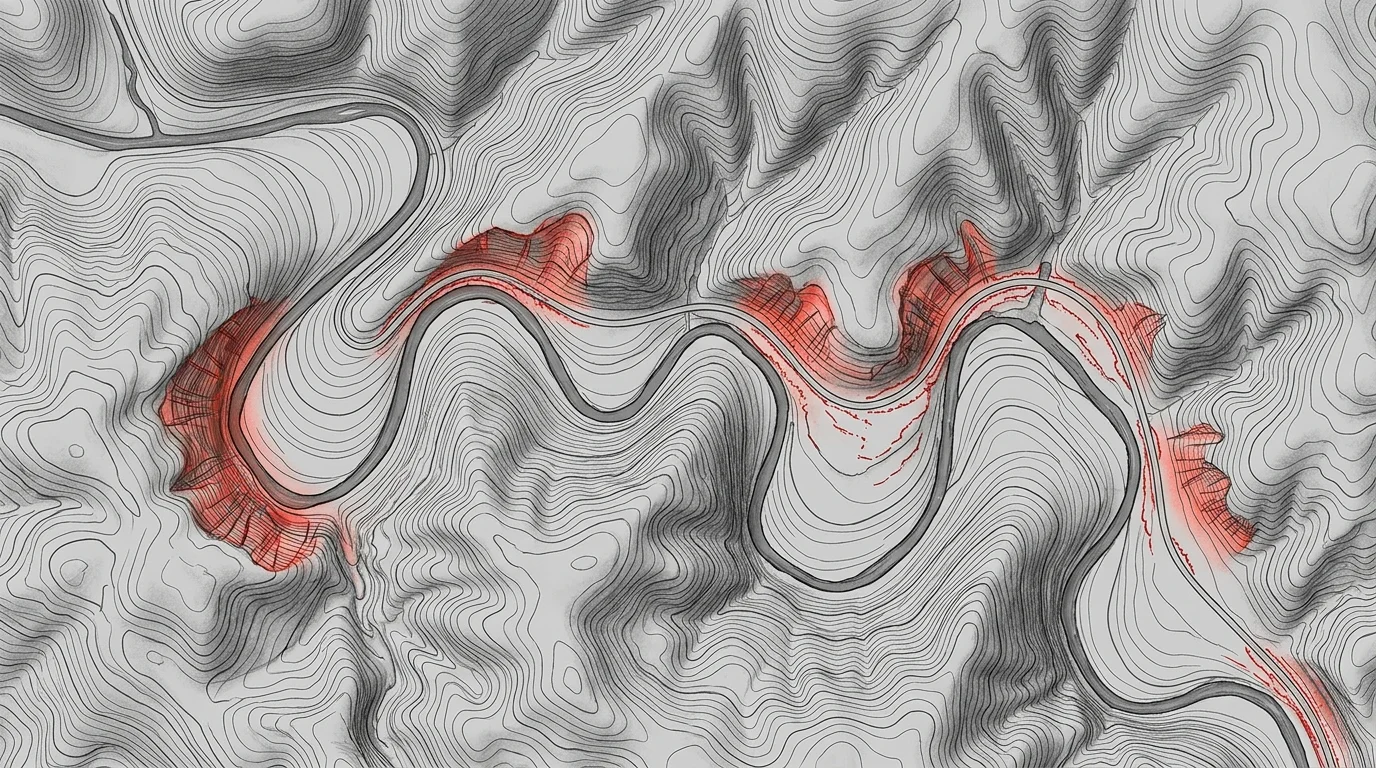
Adams County's geography makes it especially vulnerable. The county sits on bluffs above the Mississippi River composed largely of loess, a wind-deposited silt that is among the most erodible soil in North America. Roads built along creek banks in this terrain face chronic undermining, and the problem compounds as precipitation intensity across the Southeast increases.
The county, home to about 30,000 residents and anchored by the historic city of Natchez, is one of Mississippi's poorer counties, with household incomes well below state and national averages. That fiscal reality gives the federal grant added weight: federal EWP funding typically requires a 25% local match, meaning Adams County or a local conservation district will need to contribute roughly $110,000 to complete the roughly $442,000 total project. For a shrinking, economically strained county, that cost-share is a meaningful commitment.
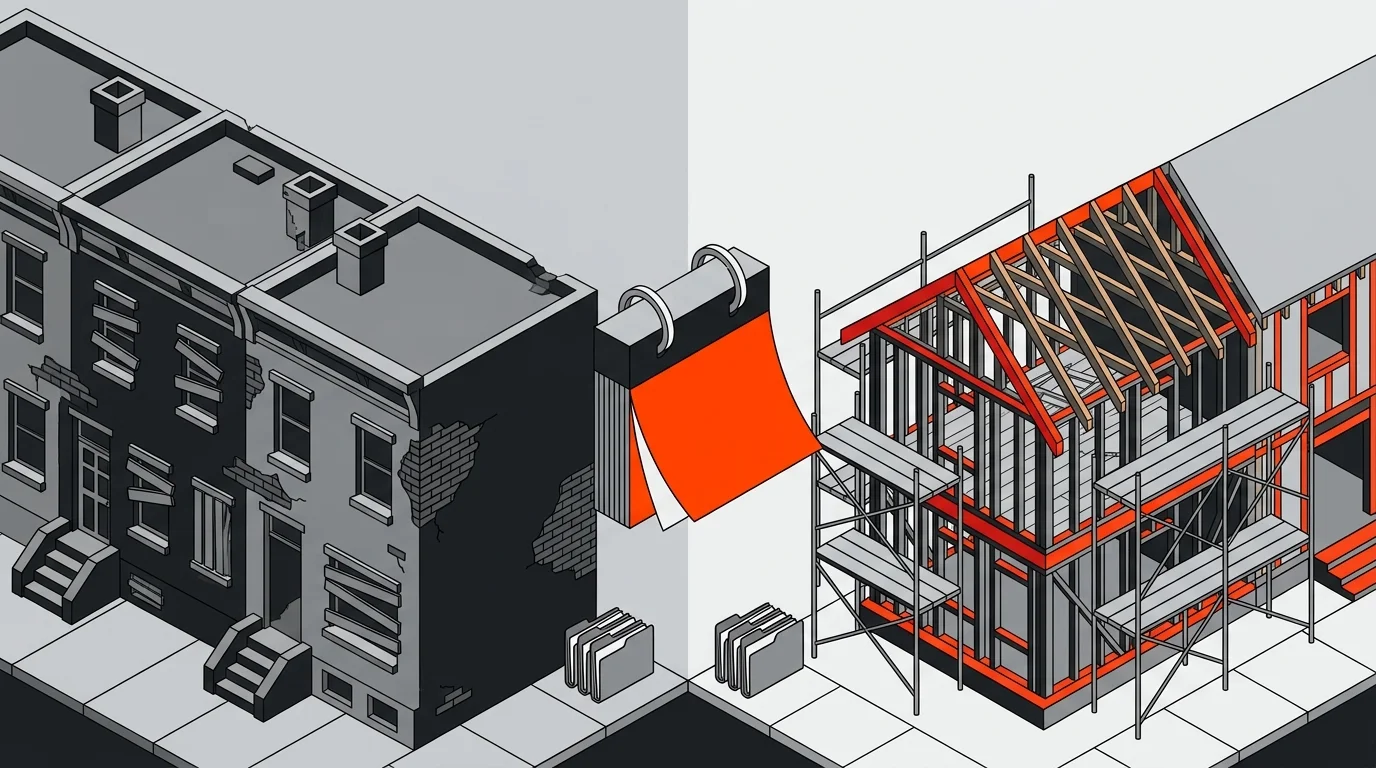
The EWP program activates only when watershed damage poses an imminent threat to life or property, so the approval itself signals that conditions at these two sites are serious. The program has faced criticism nationally for slow disbursement timelines, with communities sometimes waiting more than a year between the triggering event and actual construction. Similar federal watershed projects have recently addressed flood damage in Burnet, Texas and Butler and Logan Counties, Kentucky, reflecting how widespread the problem has become across the region.
Whether construction can begin before the peak of this spring's flood season remains an open question.