Pennsylvania is directing $673,181 in federal energy assistance toward weatherizing homes and responding to heating emergencies for low-income residents, as the pandemic-era funding boost that once expanded the program's reach continues to fade.
The money flows through the state's Low-Income Home Energy Assistance Program, administered by the Pennsylvania Department of Human Services, and covers two distinct services. The weatherization side pays for practical upgrades — insulation, sealing drafts, repairing or replacing furnaces — that reduce what households spend on heat each month. The Crisis Interface Program handles the harder cases: families who have already lost heat or are hours away from losing it.
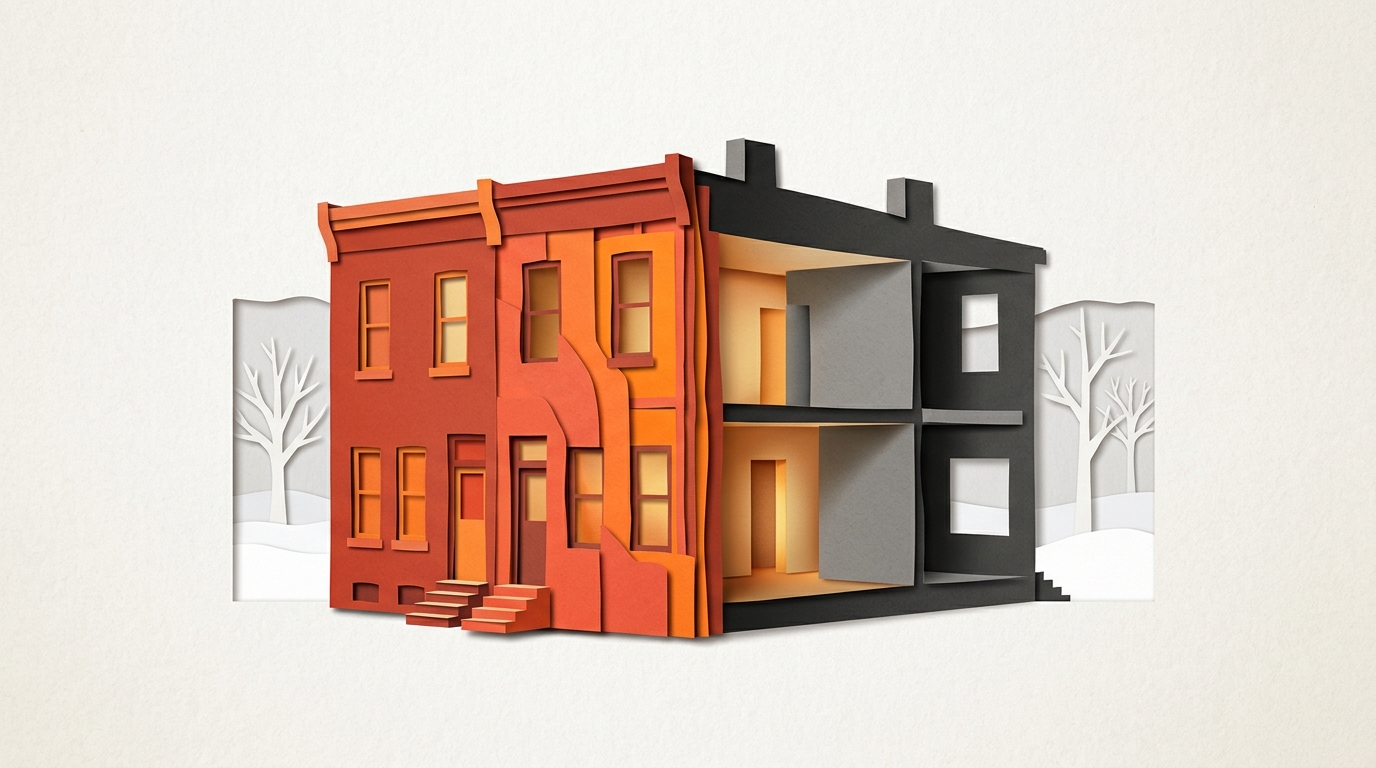
Pennsylvania is a natural fit for both needs. More than 40% of the state's homes were built before 1960, many with outdated heating systems and little insulation. Roughly 12% of Pennsylvanians live below the federal poverty line, with far higher rates in cities like Reading, Scranton, and Philadelphia and in rural Appalachian counties where heating oil and propane, not natural gas, are the norm. Those fuels cost more and swing harder with market prices.
The timing matters. LIHEAP received a massive one-time infusion under the 2021 American Rescue Plan, and states used that money to serve more households than the regular program ever could. As that supplemental funding expired starting in 2023, states faced what advocates called a funding cliff, with fewer dollars chasing more need as utility bills climbed. Similar pressures are playing out elsewhere: Michigan recently directed $452,000 into weatherization under the same program, and Illinois activated its first round of winter heating aid amid warnings about possible federal cuts.
The specific local agency receiving this $673,181 is not identified in the public record. Pennsylvania routes LIHEAP funds through a network of Community Action Agencies, and whether this award serves a single county or a multi-county region would significantly shape how many households it can reach.
The FY2026 cycle began October 1, 2025. For families on the waiting list for weatherization services — a backlog that has historically stretched months or years in Pennsylvania — the more pressing question is whether this level of funding is enough to make a dent before winter sets in.